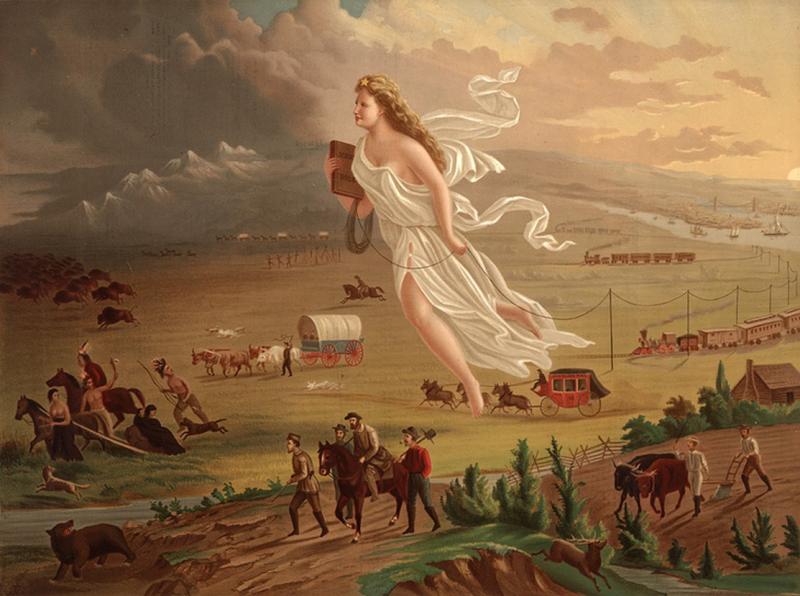
Have you ever wondered why the idea of Manifest Destiny took hold in America and changed the course of history? Understanding why Manifest Destiny started helps you see how a simple belief turned into a powerful force that shaped a nation.
This isn’t just a story from the past—it’s a key to unlocking how ambition, hope, and challenges pushed people to move westward. Keep reading, and you’ll discover the surprising reasons behind this movement and how it still impacts your world today.

Credit: www.instagram.com
Roots Of Manifest Destiny
The roots of Manifest Destiny run deep in American history, reflecting a mix of cultural, political, and economic forces. Understanding these origins helps you grasp why so many Americans believed it was their right—and duty—to expand westward. Let’s break down the key factors that set the stage for this powerful movement.
Early American Expansionism
Long before the term Manifest Destiny was coined, Americans had a strong desire to expand their territory. The Louisiana Purchase in 1803 doubled the nation’s size and sparked dreams of a continent-spanning country. Settlers kept pushing west, driven by the promise of new land and opportunity.
Have you ever thought about how your own family might have moved in search of a better life? This personal drive mirrored the broader national goal of growth. Expansion wasn’t just about land—it was about building a new future.
Influence Of Nationalism
National pride played a huge role in the rise of Manifest Destiny. After the War of 1812, Americans felt a renewed sense of unity and confidence. They believed the United States was destined to spread its values and institutions across the continent.
This strong belief in national superiority often ignored the rights of Native Americans and other nations. It’s important to ask yourself how your own views might be shaped by a sense of identity or belonging. Nationalism fueled ambition, but it also created deep conflicts.
Economic Motivations
Economic factors were just as important as ideals. The growing population needed more land for farming and resources like gold, timber, and minerals were waiting to be claimed. New territories promised wealth and jobs for many Americans.
The idea of economic growth through expansion can still resonate with you today. Whether it’s starting a new business or moving to a growing city, the hope for better prospects drives many decisions. The push west was about securing a stable and prosperous future for individuals and the nation.
Credit: pastorbhart.medium.com
Political Climate In The 19th Century
The political climate of the 19th century in America was a mix of ambition, tension, and change. The country was young and growing fast. Leaders and citizens believed in expanding the nation’s borders. This belief grew strong and shaped many decisions. Manifest Destiny was born from this energy and spirit.
Role Of Political Leaders
Political leaders played a key role in promoting expansion. Presidents like James K. Polk strongly supported growing the nation. They believed it was America’s right and duty to spread across the continent. These leaders made policies to acquire new lands. Their speeches inspired people to support the cause. Leaders used Manifest Destiny to unite citizens under a common goal.
Party Politics And Expansion
Political parties had different views on expansion. Democrats mostly favored it, seeing opportunity and growth. Whigs were often cautious about new territories and conflicts. Expansion became a major topic in elections and debates. Parties used the idea to gain voters and power. The push for new land shaped political battles throughout the 19th century.
Impact Of The Mexican-american War
The Mexican-American War was a turning point for Manifest Destiny. The war helped the U.S. gain vast new territories. It showed the country’s willingness to fight for expansion. The victory increased national pride and support for Manifest Destiny. The new lands raised questions about slavery and governance. This war changed the political landscape and set new challenges.
Social And Cultural Drivers
The social and cultural drivers behind Manifest Destiny reveal much about the mindset of 19th-century America. These forces shaped how people viewed expansion—not just as a political or economic goal but as a moral and cultural mission. Understanding these drivers helps you see why so many Americans felt destined to spread their way of life across the continent.
Religious Beliefs And Missionary Work
Religious faith played a powerful role in fueling Manifest Destiny. Many Americans believed it was their divine duty to spread Christianity and “civilize” Native American tribes and other inhabitants. Missionaries often traveled ahead of settlers, aiming to convert and educate people in these new territories.
This belief in a religious mission gave expansion a sense of urgency and righteousness. Have you ever considered how faith can inspire large-scale social movements? It wasn’t just about land—it was about spreading what people saw as spiritual truth.
Racial Attitudes And Ideologies
Racial ideas deeply influenced the push westward. Many white Americans viewed themselves as superior to Native Americans, Mexicans, and others living in the region. This belief in racial hierarchy justified the takeover of lands and displacement of existing populations.
Such attitudes were often expressed openly in political speeches and popular writings. Understanding this helps you recognize how racial biases shaped policy and public opinion. It also challenges you to think about the long-term effects these ideologies had on communities.
Media And Popular Culture
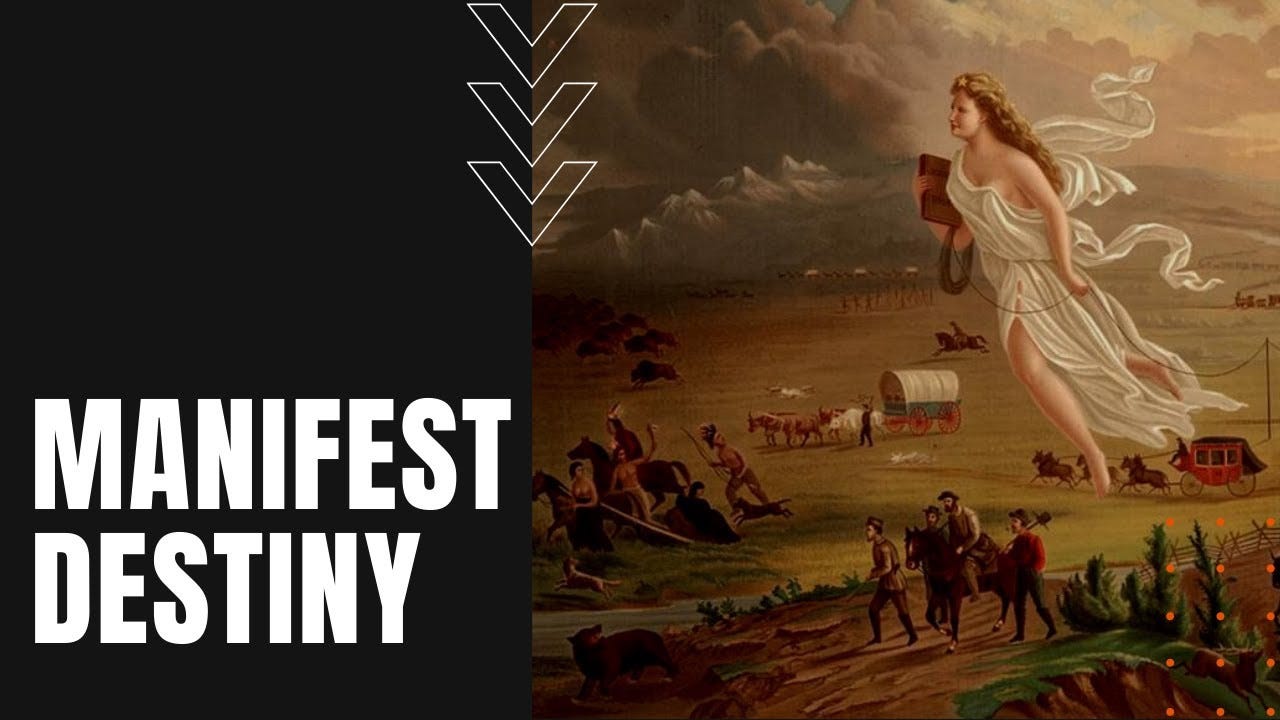
Newspapers, books, and paintings spread stories that made westward expansion seem exciting and inevitable. Sensational headlines and dramatic illustrations painted the West as a land of opportunity and adventure. This media created a shared vision that many Americans eagerly embraced.
Have you noticed how media today still shapes what we see as possible or desirable? In the 1800s, popular culture didn’t just reflect public opinion—it actively shaped it, pushing people to support Manifest Destiny with enthusiasm.

Credit: www.instagram.com
Territorial Ambitions
The driving force behind Manifest Destiny was rooted deeply in the territorial ambitions of the United States. This desire to expand was not just about gaining land; it was about securing economic opportunities, military advantages, and access to vital trade routes. Understanding these ambitions helps you see why the nation pushed relentlessly westward.
Desire For Pacific Coast Access
Access to the Pacific Coast was crucial for America’s growth. Having ports on the west coast meant easier trade with Asia and new markets for American goods. Imagine how your business could grow with direct access to international customers—this was exactly the opportunity the Pacific promised.
Without the Pacific Coast, the U.S. risked being cut off from important trade routes. This motivated leaders and settlers alike to push toward territories like California and Oregon. Would you settle for limited options when a vast ocean of opportunity lay just beyond the horizon?
Land For Agriculture And Settlement
Farmers and settlers wanted fertile land to grow crops and build communities. The promise of rich soil and open spaces was a powerful lure, especially for families seeking a fresh start. Think about the appeal of owning your own land versus renting or living crowded in cities.
New land meant new chances for prosperity and independence. It wasn’t just about owning property; it was about creating a future where you could thrive. How would having your own farm or home change your life?
Strategic Military Considerations
Territorial expansion wasn’t just about economy; it had serious military importance. Controlling key regions meant protecting the nation’s borders and securing defense points. For example, forts in newly acquired lands helped guard against foreign threats and Native American resistance.
Military leaders understood that a larger country was harder to attack and easier to defend. Think about how controlling strategic locations gives you an advantage in any challenge. Would you want to leave your borders open or build strong defenses?
Consequences Of Expansionist Policies
Expansionist policies under Manifest Destiny shaped the United States in many ways. These policies affected people, culture, and politics deeply. The drive to expand led to major changes that still influence the country today.
Impact On Indigenous Peoples
Native American tribes faced great hardship from expansion. Their lands were taken without fair agreements. Many were forced to move west or onto reservations. This caused loss of culture and traditional ways of life. Conflicts and violence increased as settlers pushed into native territories. The expansion disrupted native communities and their survival.
Changes In National Identity
Expanding the country changed how Americans saw themselves. The idea of a nation growing from coast to coast became a source of pride. It created a sense of destiny and purpose among settlers. However, this identity often ignored the rights of other groups. It emphasized progress and control over nature and land. The sense of being a “new” and powerful nation grew stronger.
Long-term Political Effects
Expansion affected the balance of power between states and regions. New territories raised questions about slavery and governance. These debates heightened tensions between North and South. They contributed to conflicts that led to the Civil War. The policies also shaped future foreign relations and land policies. Political divisions created during expansion lasted for many years.
Frequently Asked Questions
What Triggered The Start Of Manifest Destiny?
Manifest Destiny began due to the belief in U. S. territorial expansion. Americans wanted to spread democracy and culture across North America. Economic opportunities and population growth fueled this desire. It was seen as a divine right and national mission.
Why Was Manifest Destiny Important In American History?
Manifest Destiny shaped U. S. borders and politics in the 19th century. It led to westward expansion, new states, and conflicts with Native Americans and Mexico. The idea influenced national identity and economic growth. It played a key role in the country’s development.
How Did Manifest Destiny Affect Native Americans?
Manifest Destiny caused displacement and suffering for Native Americans. Expansion led to loss of their lands and culture. Many tribes faced forced removal and violent conflicts. It deeply impacted their communities and long-term survival.
What Role Did Politics Play In Manifest Destiny?
Political leaders promoted Manifest Destiny to gain support and power. Expansion was tied to debates on slavery and statehood. It united some factions but also increased sectional tensions. Politics drove many decisions about new territories.
Conclusion
Manifest Destiny began from a strong belief in growth and progress. People wanted more land and new opportunities. The idea pushed settlers westward, shaping the nation’s future. It mixed hope with challenges and conflicts. Understanding its start helps us see how America changed.
The story of Manifest Destiny is about dreams and struggles. It reminds us how history shapes today’s world.