When Does Bipolar Manifest: Unveiling Early Signs
Have you ever wondered when bipolar disorder actually begins to show? Understanding when bipolar symptoms start can be confusing and sometimes even frightening.
You might notice changes in your mood or energy and wonder if they are signs of something more. This article will help you recognize the early signs and explain when bipolar disorder usually manifests. By knowing what to look for, you can take control of your mental health and seek help at the right time.
Keep reading to learn how to spot these important clues and protect your well-being.
Age Of Onset
Understanding the age at which bipolar disorder typically appears can help you recognize early signs and seek timely support. The age of onset varies widely, but there are common patterns worth knowing. Knowing these can make a real difference in managing the condition effectively.
Typical Onset Periods
Bipolar disorder most often begins in late adolescence or early adulthood, usually between the ages of 15 and 25. This is a critical time when many face new stresses like school, relationships, or work. You might notice mood swings becoming more intense or frequent during this period.
Some people experience symptoms earlier, even in childhood, but this is less common and often harder to diagnose. Others may not show signs until their 30s or 40s, which can lead to confusion with other mental health conditions.
Variability Among Individuals
The exact age when bipolar disorder manifests can differ greatly from person to person. Genetics, life experiences, and environmental factors all play a role in shaping when symptoms appear. You might see a family member develop symptoms early, while someone else you know may not show signs until much later.
Have you ever wondered why two people with similar backgrounds and genetics develop bipolar disorder at completely different ages? This variability highlights the need for personalized care and paying close attention to your own mental health changes over time.

Credit: www.nextstep.doctor
Mood Changes
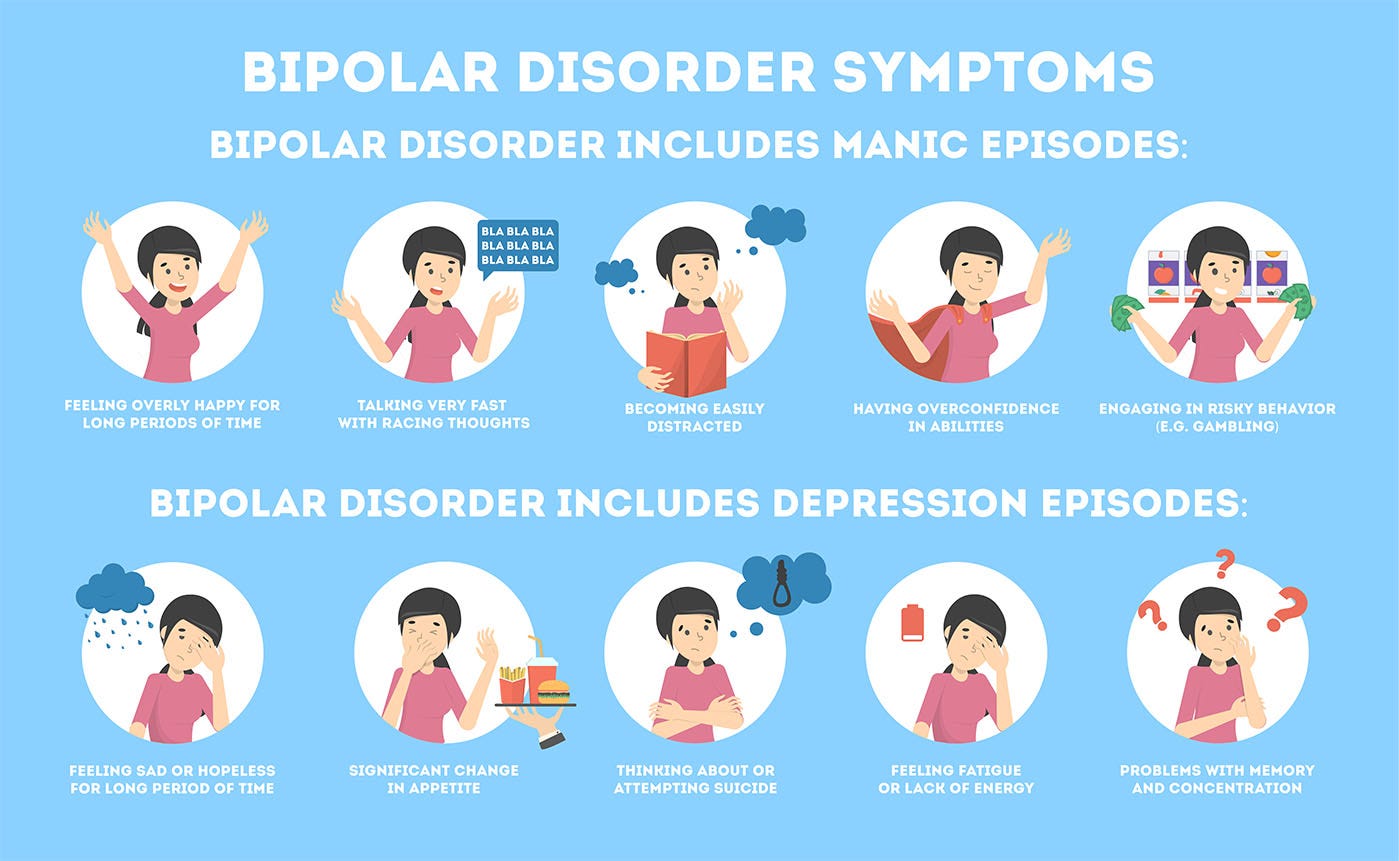
Mood changes are a key sign of bipolar disorder. These shifts can be sudden or gradual. They often affect daily life and relationships. Understanding these mood changes helps in early detection and treatment. Mood swings involve highs and lows that vary in intensity and duration.
Early Manic Symptoms
Manic symptoms usually start subtly. People may feel unusually happy or energetic. Sleep needs often decrease without feeling tired. Thoughts race, making it hard to focus. Some may talk more than usual. Risky behavior might appear, like spending sprees or impulsive decisions. These signs can last days or weeks. Early recognition is important to manage the condition.
Initial Depressive Episodes
Depressive episodes often follow or alternate with manic phases. They cause feelings of sadness and low energy. Interest in hobbies and activities drops. Concentration becomes difficult. Sleep patterns change, leading to too much or too little sleep. Appetite may increase or decrease. These symptoms can last for weeks. Early treatment helps improve quality of life.
Behavioral Indicators
Behavioral indicators often provide early clues about the onset of bipolar disorder. These signs can be subtle or intense, varying widely between individuals. Recognizing these behaviors helps you or your loved ones seek timely support and manage the condition effectively.
Increased Risk-taking
One common behavioral sign is a sudden rise in risk-taking activities. You might notice impulsive spending sprees, reckless driving, or unsafe decisions that seem out of character. These behaviors often appear during manic or hypomanic phases, signaling a shift in mood.
Think about moments when you or someone you know acted without considering consequences. Did it feel like an urge you couldn’t control? Identifying these patterns early can be a critical step in understanding bipolar disorder’s impact on behavior.
Sleep Pattern Disruptions
Changes in sleep habits frequently accompany bipolar episodes. You might find yourself needing far less sleep than usual but still feeling energetic, or struggling with insomnia that disrupts daily life. These irregular sleep patterns can both trigger and indicate mood swings.
Have you noticed nights where you barely slept yet felt unusually productive or restless? Tracking sleep changes can offer valuable insight and help differentiate bipolar symptoms from other conditions. Keeping a sleep journal could be a practical tool for managing these fluctuations.
Cognitive Signs
Cognitive signs often appear early in bipolar disorder. They affect how a person thinks and processes information. These signs can be subtle but impact daily life significantly. Understanding these symptoms helps in early recognition and seeking help.
Racing Thoughts
Racing thoughts happen when ideas flood the mind quickly. Thoughts jump from one topic to another without pause. This makes it hard to focus on one idea. People may feel overwhelmed or restless because of this rapid thinking.
Racing thoughts often appear during manic or hypomanic episodes. They can lead to impulsive decisions or risky behaviors. Recognizing this sign can help manage mood swings effectively.
Concentration Difficulties
Concentration difficulties mean trouble focusing on tasks or conversations. It becomes hard to stay attentive for long periods. This can affect work, school, and relationships.
People with bipolar disorder may find it tough to complete simple tasks. Memory problems sometimes occur along with concentration issues. These cognitive challenges can appear during depressive or manic phases.
Family And Genetic Factors
Understanding when bipolar disorder manifests often involves looking closely at family and genetic factors. These elements play a crucial role in shaping your risk and the timing of symptom onset. Knowing how your family history influences bipolar disorder can help you watch for early signs and seek support sooner.
Hereditary Influence
Bipolar disorder tends to run in families. If a close relative, like a parent or sibling, has bipolar disorder, your chances of developing it increase significantly. Scientists estimate that genetics account for about 60-80% of the risk, highlighting a strong hereditary link.
But genetics don’t guarantee you will develop bipolar disorder; they only raise the possibility. You might have inherited certain genes that make your brain more sensitive to mood swings. Recognizing a family history can prompt you to monitor your mental health more carefully.
Environmental Triggers
Even with genetic predisposition, bipolar disorder often emerges after environmental triggers come into play. Stressful life events, major changes, or trauma can activate the condition in those with a genetic risk. Think about moments in your life when stress felt overwhelming—could those times have influenced your mental state?
Common triggers include:
- Loss of a loved one
- Job loss or financial strain
- Substance abuse
- Disrupted sleep patterns
These factors can push the brain into a bipolar episode, especially if you carry genetic vulnerabilities. Understanding how your environment interacts with your genes empowers you to manage risks better and seek help early.

Credit: kptherapy.com
Early Diagnosis Challenges
Recognizing bipolar disorder early can be tricky. The symptoms often blend with other issues, making it hard to pinpoint exactly when bipolar begins. These early diagnosis challenges can delay the right treatment and leave you feeling misunderstood or frustrated.
Symptom Overlaps
Many signs of bipolar disorder mimic other mental health conditions. Mood swings, for example, can look like depression or anxiety on their own. You might find yourself wondering if your mood changes are just stress or something more.
People with bipolar often experience periods of irritability or restlessness that resemble ADHD or borderline personality disorder. This overlap can confuse both you and your healthcare provider. It’s important to track your symptoms carefully and note any patterns that seem unusual or extreme.
Misdiagnosis Risks
Because bipolar symptoms can look like other disorders, misdiagnosis happens often. You might receive treatment for depression without realizing a manic phase is part of the picture. This can lead to ineffective medication or therapy that doesn’t address the full condition.
Imagine being treated for anxiety when what you really have is bipolar disorder—how would that affect your recovery? It’s crucial to communicate openly with your doctor about all your mood changes, even if they seem minor or brief. Early and accurate diagnosis can change the course of your mental health journey significantly.
Seeking Help Early
Seeking help early for bipolar disorder can change the course of the illness. Early support helps manage symptoms and improves life quality. Many people delay asking for help due to fear or misunderstanding. Recognizing the signs and acting quickly makes a big difference.
Importance Of Timely Intervention
Timely intervention reduces the severity of mood swings. Early treatment limits risks like substance abuse and relationship problems. It also helps prevent hospital stays and severe episodes. Starting care early supports better long-term stability. It allows doctors to tailor treatments to individual needs. Early help often leads to faster recovery and fewer relapses.
Available Support Options
Many support options exist for those with bipolar disorder. Professional help includes psychiatrists, psychologists, and counselors. Medication can stabilize mood and reduce symptoms. Therapy, such as cognitive-behavioral therapy, improves coping skills. Support groups provide a safe space to share experiences. Family education helps loved ones understand and assist better.
- Psychiatric evaluation and medication management
- Individual and group therapy sessions
- Community support groups and peer networks
- Family counseling and education programs
- Emergency crisis services when needed

Credit: www.facebook.com
Frequently Asked Questions
When Does Bipolar Disorder Usually First Appear?
Bipolar disorder often first appears in late adolescence or early adulthood. Symptoms can emerge between ages 15 and 25. Early signs include mood swings, irritability, and changes in energy. Timely diagnosis helps manage symptoms effectively and improves quality of life.
What Triggers The Onset Of Bipolar Disorder?
Stressful life events, genetics, and brain chemistry can trigger bipolar disorder onset. Major changes, trauma, or substance abuse may worsen symptoms. Understanding triggers helps in early intervention and reduces episode frequency. Professional help is crucial for managing triggers effectively.
How Can Early Signs Of Bipolar Be Recognized?
Early signs include unusual mood swings, impulsive behavior, and sleep disturbances. Episodes of mania or depression may appear suddenly or gradually. Recognizing these signs early allows for prompt treatment and better symptom control. Monitoring behavior changes is essential for early detection.
Is Bipolar Disorder Hereditary Or Environmental?
Bipolar disorder has both hereditary and environmental influences. Family history increases risk, but stress and life events also play roles. A combination of genetics and environment contributes to its development. Awareness of both factors aids in prevention and management.
Conclusion
Bipolar disorder often appears in late teens or early adulthood. Symptoms can vary widely from person to person. Early signs may include mood swings and changes in energy. Recognizing these signs helps in seeking timely support. Treatment can improve life quality and stability.
Understanding when bipolar manifests aids in better care. Stay aware and reach out if concerns arise.

Similar Posts