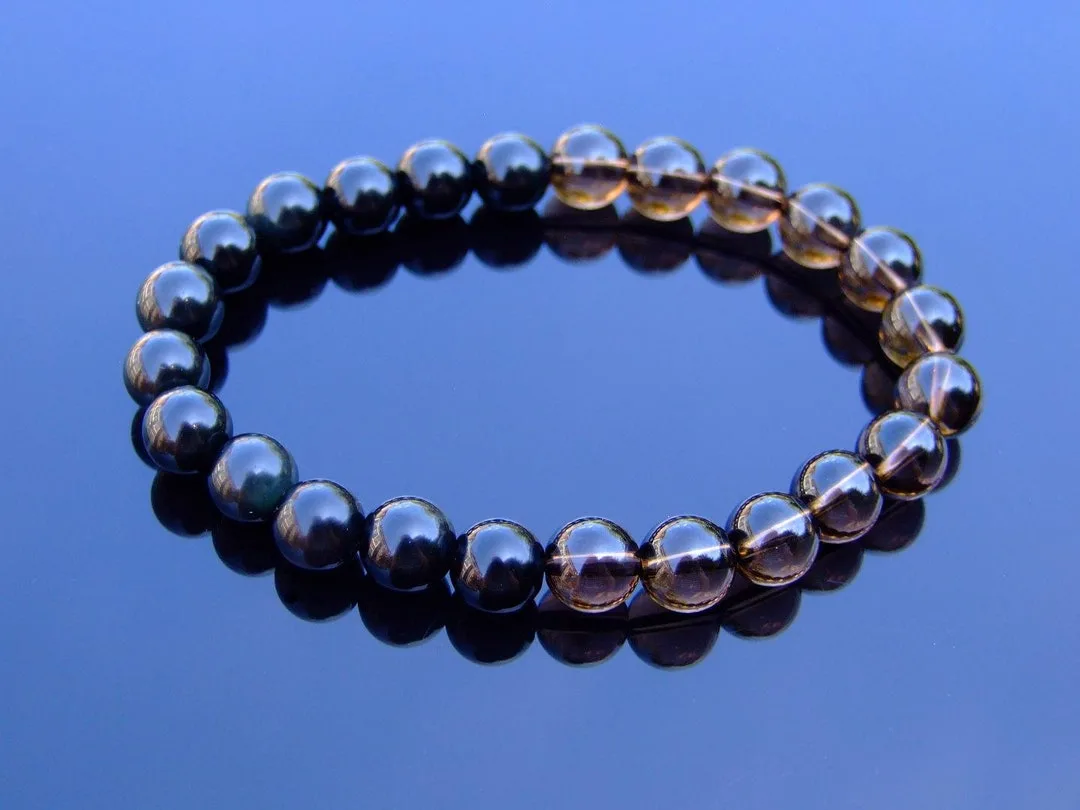
Red Jasper or Dyed Sandstone? The Porosity Test
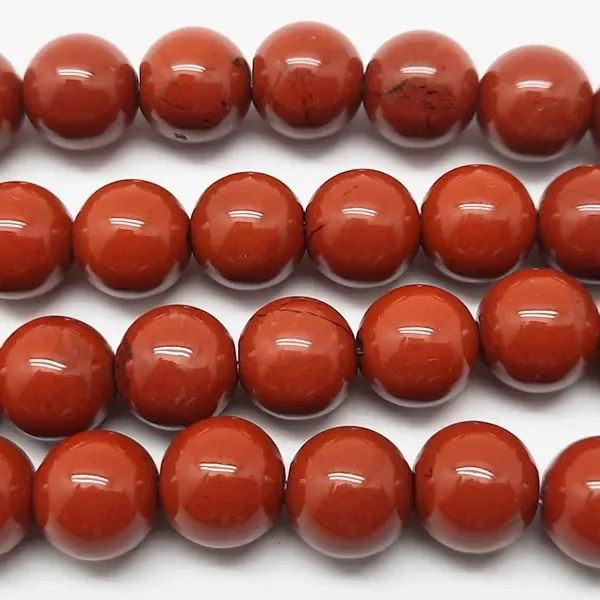
Figuring out how to tell if red jasper is dyed sandstone porous test can save you from wasting money on fragile souvenirs. Many sellers pass off cheap, treated stone as genuine gemstones. The visual difference is often subtle to the untrained eye.
You need a method that reveals the truth without damaging the piece.
Our research shows that water absorption rates differ drastically between these materials. Genuine jasper is cryptocrystalline and nearly impermeable. Dyed sandstone remains highly porous due to its clastic grain structure.
As of 2026, this simple physical property remains the most reliable home indicator. Let’s look at why your eyes alone aren’t enough.
Why Your Eyes Can Lie: The Visual Trap of Dyed Sandstone
Visual inspection fails because modern dyeing techniques mimic natural iron oxide staining perfectly. High-quality dyes penetrate deep into the pores, creating a uniform red hue. You might see slight color variations, but these can be mistaken for natural mineral inclusions.
The surface finish also plays tricks. Polished sandstone can gleam just like polished quartz varieties.
Without magnification, the grain boundaries are invisible to the naked eye. Sellers know this. They select stones with fine grains to hide the sedimentary origin.
Relying solely on color saturation or brightness leads to false positives. You need to interact with the material physically. Water acts as a diagnostic tool here.
It exposes the hidden porosity that light reflects away. Trust physics over appearance.
The Water Drop Test: Step-by-Step Execution and Timing Benchmarks
This test requires minimal tools but precise timing. You’ll need a dropper, room-temperature water, and a stopwatch. First, ensure the stone is clean.
Oils or wax coatings will skew results. Wipe the surface with a soft cloth dampened with mild soap. Rinse thoroughly and let it air dry completely.
Any residue creates a hydrophobic barrier.
Place the stone on a flat, absorbent-free surface. Use a pipette to drop one single bead of water onto the center. Start your timer immediately upon contact.
Watch the bead closely. Do not touch the stone during observation. Even minor vibrations can displace the water drop.
Record the time until the water fully disappears or stops changing shape. Repeat this three times on different spots for consistency. Average your results.
This eliminates anomalies caused by microscopic cracks or localized density variations. Precision matters here.
| Material Type | Expected Behavior | Time Threshold | Result Interpretation |
|---|---|---|---|
| Genuine Red Jasper | Beads up, stays spherical | >30 seconds | Low porosity, likely authentic |
| Dyed Sandstone | Absorbs rapidly, flattens | <5 seconds | High porosity, likely treated |
| Wax-Coated Stone | Initial beading, then slow soak | Variable | Artificial sealant present |
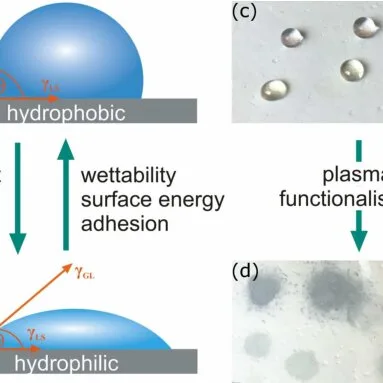
Reading the Results: Beading vs. Absorption Under Magnification
Interpreting the water behavior is where expertise kicks in. Genuine red jasper, being a variety of chalcedony, has extremely low permeability. The water should sit on the surface like a mercury bead.
It maintains its dome shape for at least thirty seconds. If it spreads slowly over several minutes, the stone may have micro-fractures. These are common in natural jasper but don’t indicate dyeing.
Dyed sandstone reacts differently. The capillary action pulls water into the pore spaces instantly. Within five seconds, the bead collapses.
The stone darkens visibly where the water touched. This darkening happens because the wet area reveals the true base color beneath the dye. Or, it shows the dye leaching slightly.
Use a 10x loupe to inspect the wet spot. Look for halo effects. Dye often concentrates around grain boundaries, creating a ring-like pattern.
Natural color is usually more diffuse.
Secondary Visual Cues: Grain Structure, Fracture Patterns, and Color Pooling
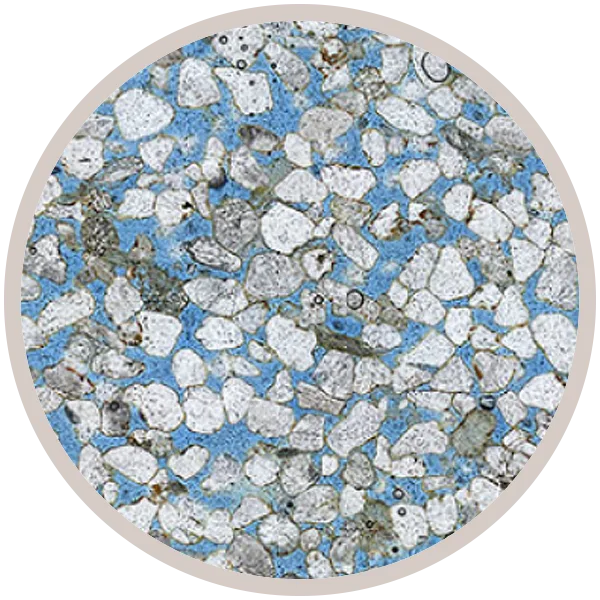
If the water test is inconclusive, look closer at the texture. Sandstone is a clastic sedimentary rock. It consists of cemented sand grains.
Under magnification, you’ll see distinct, angular particles. Jasper is cryptocrystalline. Its structure is smooth and glassy, lacking visible individual grains.
Hold the stone under bright, direct light. Rotate it slowly. Sandstone often shows a granular sparkle from mica or quartz fragments.
Jasper displays a waxy or vitreous luster.
Check the fracture patterns too. Jasper breaks with a conchoidal fracture, like curved glass shards. Sandstone fractures irregularly along grain boundaries.
Look for chips or edges. Jagged, crumbly edges suggest sandstone. Smooth, shell-like curves suggest jasper.
Also, examine color distribution. Dyed stones often show pooling in cracks. The dye accumulates there, making fissures darker than the surrounding matrix.
Natural iron stains tend to follow geological layers uniformly.
Common Pitfalls: Wax Coatings, Natural Iron Stains, and False Negatives
Wax treatments are the biggest enemy of accurate testing. Many vendors coat porous stones with wax to simulate polish and hide porosity. This creates a false negative.
The water beads up initially, mimicking jasper. But wait longer. After sixty seconds, check if the bead shrinks.
Wax eventually gives way to water pressure. The stone will darken abruptly once the seal breaks. Always ask if the stone is sealed.
If unsure, gently warm the stone with your hand. Body heat can soften wax. Re-run the test after cooling.
Natural iron oxide staining can confuse beginners. Some sandstones are naturally red due to hematite. These stones fail the porosity test but are not "dyed" artificially.
However, they are still sandstone, not jasper. The value differs significantly. Don’t assume non-dyed means valuable.
Verify the mineral identity, not just the treatment status. Hardness tests can help, but they risk damage. Stick to visual and fluid dynamics first.
Per USGS Mineral Resources Program data, distinguishing sedimentary from igneous/metamorphic origins relies heavily on texture and permeability.
When to Stop Guessing: Professional Verification Thresholds
Sometimes home tests leave you in limbo. If the water beads up for twenty seconds, then slowly sinks, you’re likely dealing with a sealed stone or a dense sandstone variant. This ambiguity is risky.
You shouldn’t guess when significant money is on the line. At this stage, escalate your verification method. Send the specimen to a certified gemological laboratory.
They use refractive index meters and spectroscopy to identify mineral composition definitively.
Don’t waste time with acetone swabs if the visual evidence is unclear. That test only confirms surface dye presence, not the underlying rock type. A genuine jasper might have minor surface treatments too.
The core issue is structural integrity. Labs can distinguish between cryptocrystalline quartz aggregates and clastic sedimentary bonds instantly. It costs more upfront, but it prevents costly errors later.
Use professional services when your home data conflicts. Trust the science over the stopwatch when margins are thin.
FAQs: Durability, Cleaning, and Market Reality
Can I fix dyed sandstone if it starts fading?
No, you cannot restore the original color effectively. The dye sits within porous channels that degrade with UV exposure and cleaning agents. Repainting creates an uneven, artificial look that lowers resale value further.
Once the pigment breaks down, the stone’s structural weakness becomes apparent. It may crumble or chip easily. Accept the loss rather than attempting cosmetic repairs.
Prevention through proper identification is the only viable strategy here.
Does the water test damage the stone permanently?
It causes no lasting harm if done correctly. Brief contact with room-temperature water doesn’t alter the mineral structure of either jasper or sandstone. Just ensure you wipe the stone dry immediately after testing.
Leaving moisture trapped in micro-cracks could encourage mold in organic residues, though rare. For pure mineral stones, the risk is negligible. Always avoid hot water or harsh chemicals.
Stick to distilled water for the cleanest results. Your stone remains intact after the procedure.
Why do some sellers call sandstone "red jade"?
This is a deliberate marketing tactic to inflate perceived value. Jade implies hardness and rarity, commanding higher prices. Sandstone is abundant and cheap.
By using confusing trade names, sellers exploit buyer ignorance about mineralogy. True jadeite or nephrite behaves differently under stress and light. Red jasper is also sometimes mislabeled.
Always request specific mineralogical names on invoices. Vague terms like "ornamental stone" signal potential deception. Insist on clarity before purchasing expensive pieces.

Similar Posts