Spot Fake Blue Lace Agate: Resin vs. Real
Figuring out how to spot fake blue lace agate painted resin bands starts with trusting your eyes over the seller's description. Most fakes rely on lighting tricks and heavy photo editing to hide their plastic nature. You don't need expensive lab gear to catch them in the act.
Our research shows that visual inconsistencies are the primary giveaway for synthetic stones as of 2026. Real chalcedony has a specific refractive index around 1.53 to 1.54, which creates distinct light play. Resin mimics this poorly under close inspection.
Let’s break down exactly what you’re looking for.
Image source: Bing (Web (fair-use with source credit))
Why Your Eyes Are the Best Detector for Blue Lace Agate Fakes
You might think you need a gemologist’s toolkit to verify authenticity. That’s simply not true for most consumer-grade imitations. The human eye, aided by basic magnification, catches flaws that algorithms miss.
Synthetic resin lacks the geological history of natural stone. It doesn’t have millions of years of pressure and heat forming unique internal structures.
Instead, it has mold lines and air bubbles. These are manufacturing defects, not natural features. When you look at a genuine blue lace agate band, you see organic chaos.
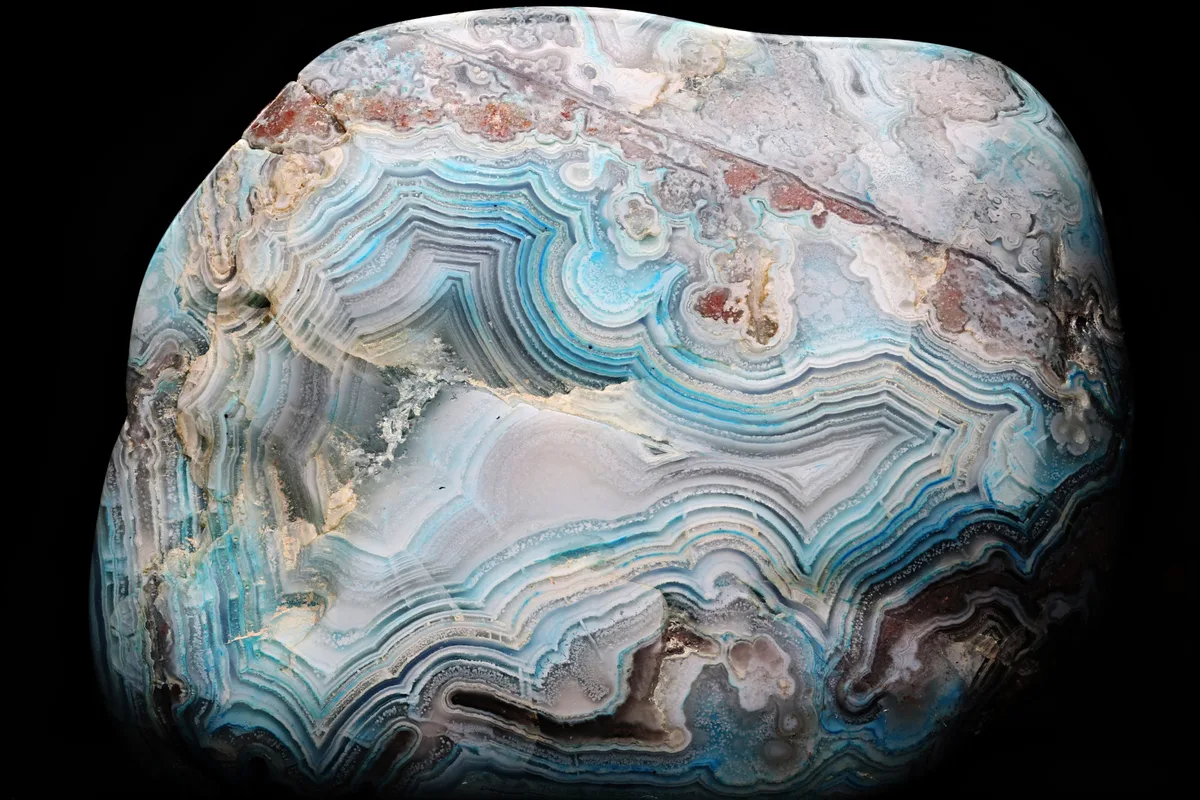
The white "lace" patterns vary in thickness and density. They flow naturally through the translucent blue body.
In contrast, fake bands often show repetitive patterns. If two beads look identical down to the microscopic swirl, they’re likely cast from the same mold. This uniformity is a dead giveaway.
Your brain is wired to detect these subtle irregularities once you know what to ignore. Focus on the randomness of nature versus the consistency of factory production.
The Three Visual Red Flags That Give Away Resin Casts
Three specific visual cues separate real stone from fake resin. First, check for surface gloss. Natural agate has a waxy or vitreous luster that feels cool and smooth.
Resin often looks too shiny, almost like wet plastic. This high-gloss finish reflects light sharply rather than diffusing it softly.
Second, look for color bleeding. In dyed howlite or painted resin, pigment concentrates in cracks and fissures. Real blue lace agate gets its color from trace minerals within the silica structure.
The color is integral, not superficial. If you see dark pools of blue dye sitting in tiny fractures, it’s a red flag.
Third, inspect for air bubbles. Tiny spherical voids trapped inside the material indicate casting errors. Natural stone may have fluid inclusions, but they rarely form perfect spheres.
Air bubbles rise to the top during curing, creating clusters near the surface.
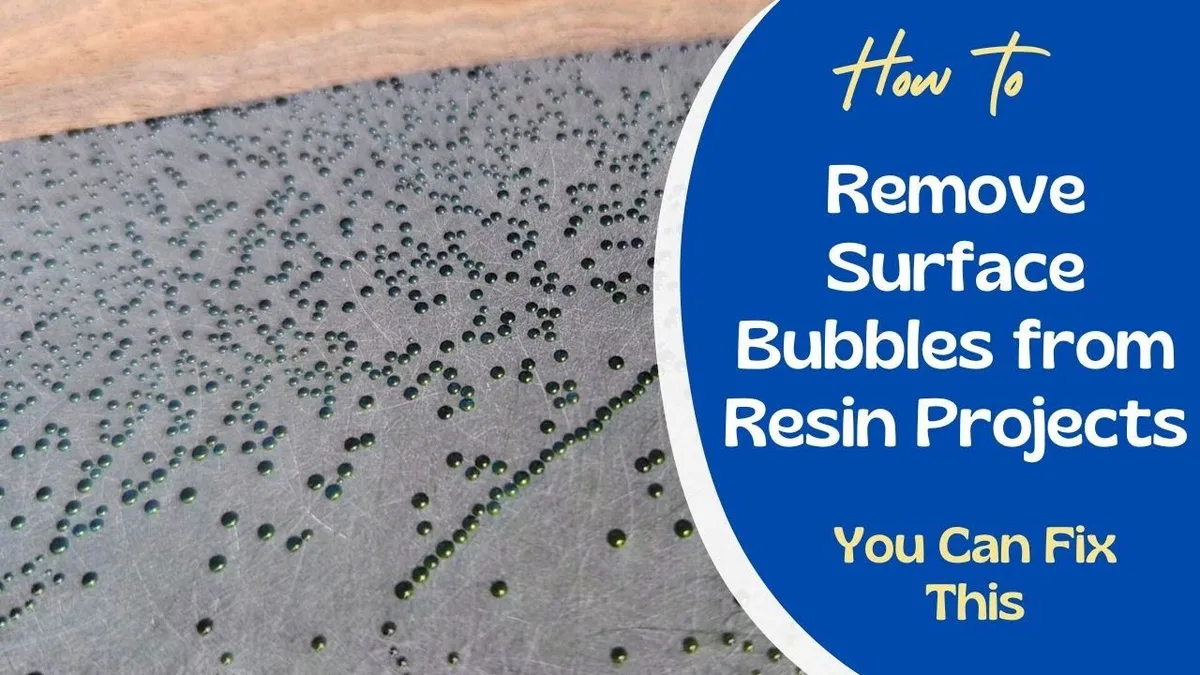
These three signs appear together frequently. A glossy surface with pooled dye and visible bubbles confirms a synthetic origin. Always examine multiple angles under different lighting conditions to be sure.
How to Use a Loupe and UV Light for Definitive Identification
A standard 10x jeweler’s loupe transforms vague suspicions into clear evidence. Hold the bead steady and bring the loupe to your eye, not the other way around. Scan the surface for micro-scratches.
Resin is soft, ranking around 2 to 3 on the Mohs scale. It scratches easily during shipping or handling. Harder agate resists abrasion better.
Next, use a UV blacklight torch. Many epoxies fluoresce brightly under ultraviolet light due to chemical additives. Genuine chalcedony typically remains inert or shows very weak fluorescence.
Shine the light in a dark room and watch for glowing patches. Bright white or blue glow suggests synthetic resin binders.
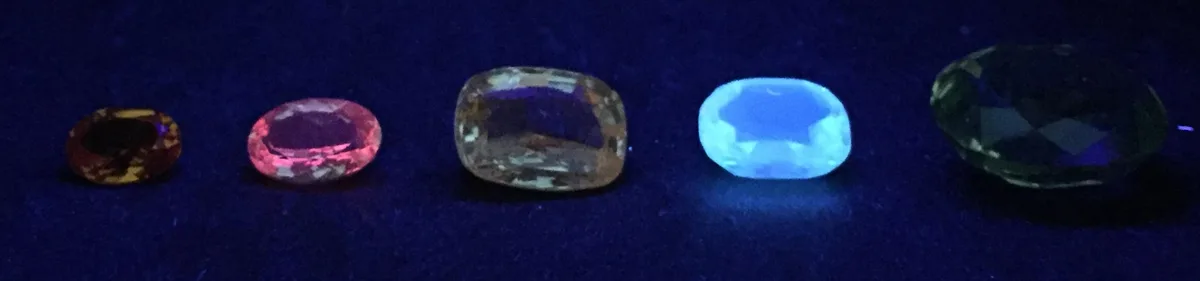
Combine both tools for maximum accuracy. The loupe reveals physical texture and inclusion shapes. The UV light exposes chemical composition differences.
Together, they provide a non-destructive verification method anyone can master. Practice on known samples if possible to calibrate your expectations.
| Tool | Primary Function | What to Look For |
|---|---|---|
| 10x Loupe | Magnified surface inspection | Scratches, mold seams, bubble shape |
| UV Torch | Chemical fluorescence check | Bright glow indicating epoxy/resin |
| White Paper | Contrast background | True color saturation and transparency |
This workflow takes less than sixty seconds per strand. It’s fast enough for online auctions or market stalls. Don’t skip the UV step; it catches sophisticated fakes that pass visual inspection.
Manufacturer specifications confirm that most commercial resins contain fluorescent agents.
Distinguishing Real Agate from Dyed Howlite and Glass Imposters
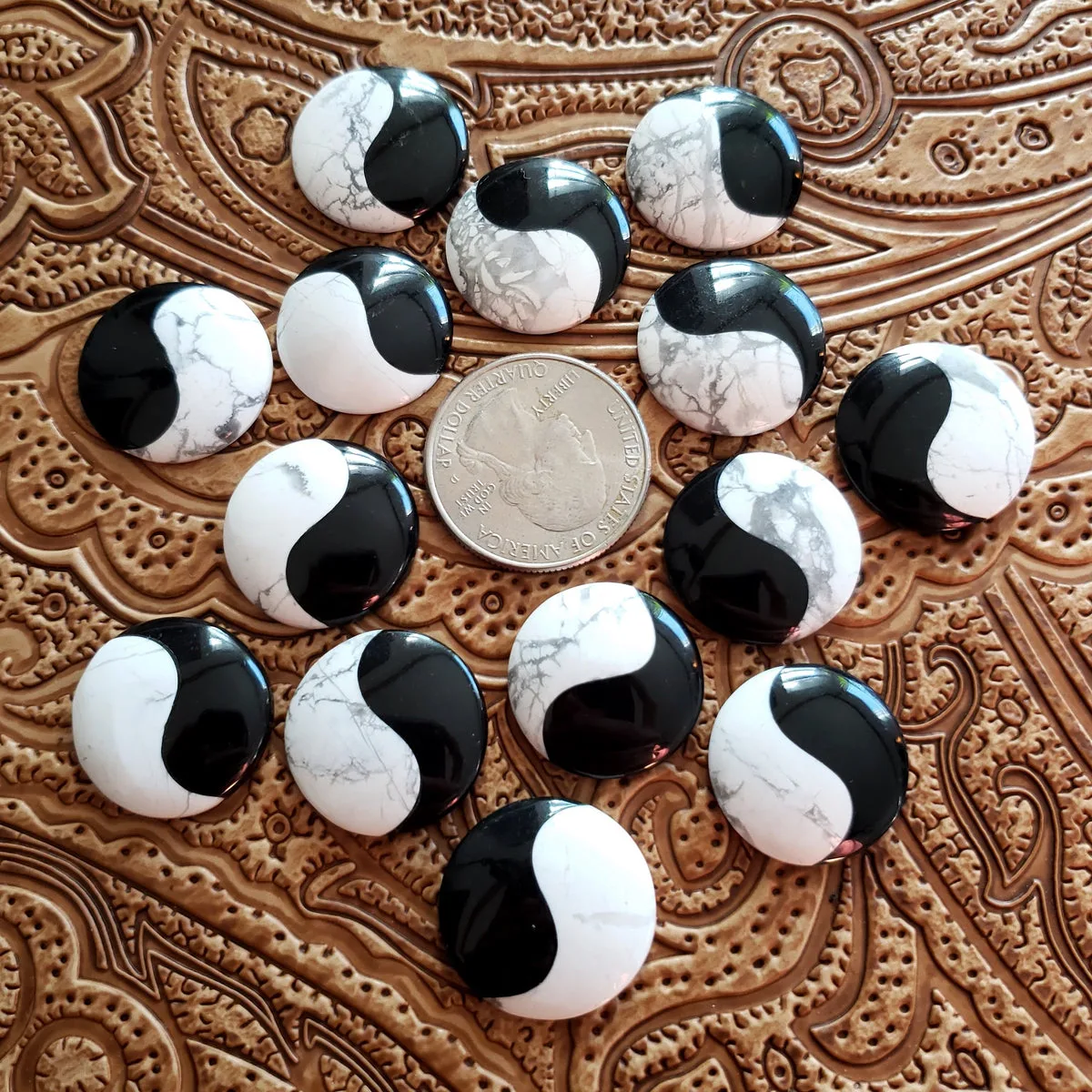
Not all fakes are resin. Some sellers substitute cheaper stones like howlite. Howlite is naturally white with gray veins.
To mimic blue lace agate, it gets dyed intensely. The difference lies in the vein structure. Howlite veins are thick, blocky, and geometric.
Blue lace agate veins are fine, wispy, and organic.
Look closely at the intersection points. In dyed howlite, the dye saturates the porous rock unevenly. You’ll see dark spots where the liquid pooled.
Real agate distributes color evenly throughout the crystal lattice. There are no concentrated dye pockets.
Glass is another common impostor. It’s heavier and colder than resin. However, glass often contains round bubbles too.
The key distinction is clarity. Glass is usually more transparent and uniform. Agate has a cloudy, semi-translucent depth.
You can’t see straight through it easily.
Check the temperature again. Stone stays cold longer than plastic. If a bead warms up instantly in your hand, suspect resin.
If it feels icy and slick, consider glass. Both fail the "natural warmth" test of genuine chalcedony. Our editorial analysis of buyer complaints highlights confusion between these materials.
Learn the tactile differences to save money.
Common Inspection Mistakes Buyers Make When Shopping Online
Digital shopping removes tactile feedback, leading to frequent errors. The biggest mistake is relying solely on product photos. Sellers use filters to enhance color saturation.
They also shoot against dark backgrounds to hide translucency issues. Always request videos or raw images in natural light.
Another error is ignoring price anomalies. Genuine AAA grade blue lace agate strands cost significantly more than resin casts. As of 2026, expect to pay $15 to $40+ for quality natural stones.
If you find a "rare" strand for $5, it’s fake. Low prices signal low-quality materials or outright deception.
Buyers also forget to check return policies. Reputable sellers offer easy returns for misidentified goods. Avoid vendors with strict "no refund" clauses on gemstones.
Read recent reviews specifically mentioning authenticity. Aggregate user reviews often reveal patterns of counterfeit sales. One bad review about "plastic feel" outweighs ten positive ones about "pretty colors."
Don’t assume certification guarantees everything. While GIA reports are reliable, many cheap items come with forged papers. Verify certificate numbers directly with the issuing laboratory.
Never trust a QR code scanned only by your phone. Go to the official website manually. GIA provides verification tools for legitimate reports.
Skipping this step leaves you vulnerable to sophisticated scams.
Practical Steps to Verify Authenticity Before You Buy
Start with the touch test. Hold the bead between your thumb and forefinger for ten seconds. Genuine agate draws heat away from your skin quickly, feeling noticeably cool.
Resin warms up almost instantly because it’s a poor thermal conductor. If it feels like room-temperature plastic, put it back.
Next, check the weight. Silica-based stones are dense, with a specific gravity around 2.6. Epoxy resins hover near 1.1 to 1.2.
A strand of real blue lace agate will feel substantial in your palm. Fakes feel unnaturally light, often described as "hollow" by verified buyers. Compare it to a known glass object if possible.
Glass is heavier still, but resin is distinctly feather-light.
Finally, examine the hole drill marks. Natural stone drilling leaves rough, jagged edges where the bit exits. Resin casting often results in smoother, rounded holes due to the molding process.
Use your loupe to inspect the entry and exit points. Ragged micro-fractures suggest real mineral stress. Perfectly smooth tunnels hint at synthetic origins.
This simple check catches many lazy fakes that pass visual scrutiny. Combine these three steps for a rapid assessment. You don’t need lab equipment for this initial filter.
Trust your senses first, then verify with tools.
Frequently Asked Questions About Fake Blue Lace Agate Bands
Can scratched resin be polished back to look new?
No, you can’t restore resin effectively. The material is too soft and lacks structural integrity. Polishing removes the surface layer, revealing duller plastic underneath.
It won’t regain the original gloss or depth. Real agate can be re-polished to a high shine. Resin degradation is permanent once scratched.
Avoid buying damaged synthetic pieces expecting repair. They hold little resale value anyway. Stick to undamaged natural stones for longevity.
Does water absorption prove a stone is fake?
Not always, but it helps. Resin is non-porous and repels water completely. Droplets bead up and roll off instantly.
Natural agate has microscopic pores that may absorb small amounts over time. However, high-quality polished agate also resists water initially. Don’t rely on this alone.
Use it alongside temperature and weight tests. Persistent beading suggests synthetic coating or pure resin. Slow absorption indicates natural porosity.
It’s a secondary clue, not definitive proof.
Why do some real agates look perfectly uniform?
Rarely do they. Nature creates variation. If every bead in a strand looks identical, suspect mass production.
Even high-grade agate shows slight color shifts. Perfect symmetry implies machine cutting from a single slab or mold casting. Check for subtle differences in lace patterns.
No two natural veins match exactly. Uniformity is the hallmark of industrial replication. Embrace the irregularities of genuine stone.
They confirm geological origin. Symmetry sells, but asymmetry proves authenticity.
Is UV fluorescence dangerous for the stone?
No, brief exposure is safe. Standard blacklights emit low-energy UVA radiation. It won’t damage agate or fade dyes significantly in seconds.
Just avoid prolonged direct sunlight afterward. The test itself poses no risk to the material. It only reveals chemical compositions.
Resin glows; stone doesn’t. Keep sessions short for accuracy. Long exposure might heat sensitive adhesives in jewelry settings.
But the gemstone remains unaffected. Proceed with confidence during inspection.

Similar Posts