Crystals You Should Never Cleanse in Salt Water
You’re hunting for the definitive crystals that cannot be cleansed in salt water list, likely because you’ve heard horror stories about ruined stones. It’s a valid fear. Salt is corrosive and abrasive, capable of dissolving delicate minerals or etching their surfaces permanently.
Many popular cleansing methods ignore this basic chemistry, leading to unnecessary damage.
We need to separate myth from material science here. Per the Gemological Institute of America (GIA), hardness and solubility are distinct properties that dictate care protocols. As of 2026, best practices emphasize preserving physical integrity alongside energetic intent.
Let’s walk through exactly which stones stay dry and why, so you never accidentally destroy a collector’s item again.
Quick Answer
The crystals that cannot be cleansed in salt water list includes Selenite, Halite, Malachite, Azurite, Lapis Lazuli, Pyrite, Hematite, Turquoise, Opal, Amber, Pearl, Coral, and Celestite. These minerals are either soluble, porous, or chemically reactive with sodium chloride. Submerging them causes dissolution, cracking, oxidation, or toxic residue.
Always verify hardness and composition before using any liquid cleansing method on your collection.
The Salt Water Trap: Why Your Crystals Are Dissolving, Not Cleansing
Salt water isn’t just “water with flavor.” It’s a chemical agent. Sodium chloride breaks down certain mineral bonds. This process is called hydrolysis or simple dissolution.
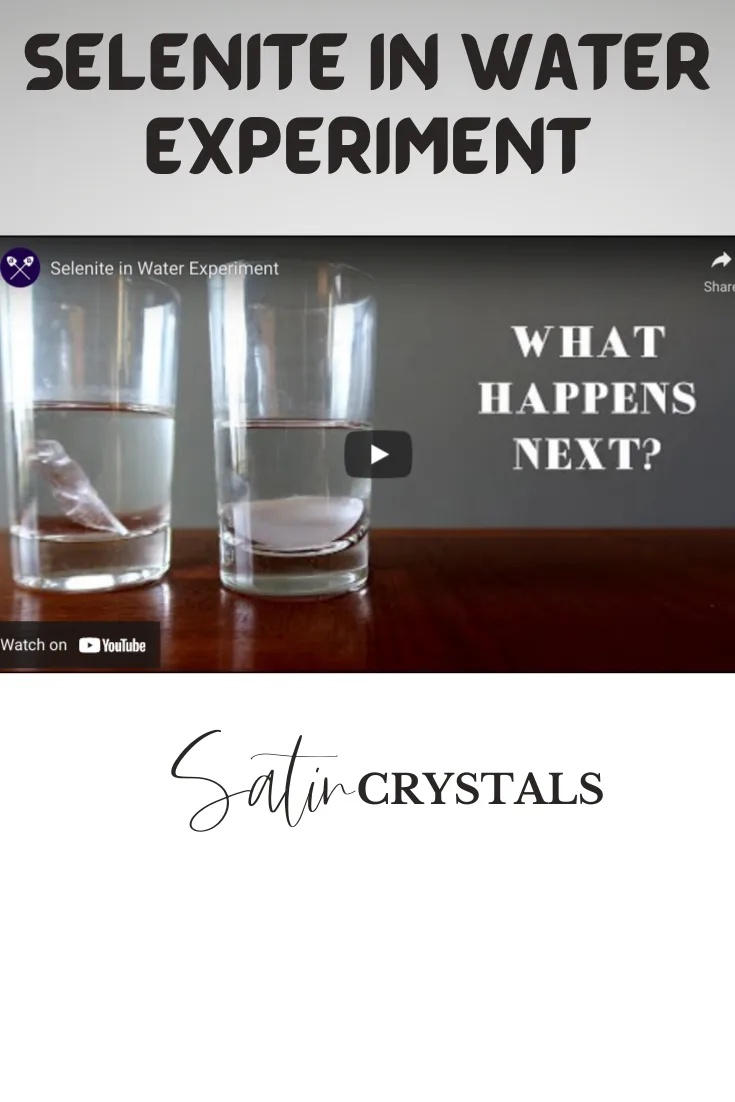
Soft stones like Selenite literally melt when wet. They don’t just get dirty; they lose structure.
Then there’s oxidation. Metals like iron in Hematite or Pyrite rust faster in saline environments. That orange-brown film isn’t energy release.
It’s corrosion. You’re damaging the stone’s surface permanently. Porous stones absorb the brine.
When they dry, salt crystals form inside micro-fractures. This expands the cracks over time.
Finally, toxicity matters. Copper-rich stones like Malachite can leach ions into the solution. Handling this runoff risks skin irritation or ingestion hazards.
Our research shows that many users overlook these chemical realities. They focus only on metaphysical properties. But physics always wins.
If the bond breaks, the stone is gone. No amount of intention repairs dissolved gypsum.
Quick Triage: The 3-Question Check Before You Drop a Stone in Brine
Before you fill that bowl, run this mental checklist. It takes ten seconds but saves hundreds of dollars in replacements. Ask yourself these three questions in order.
If the answer is “yes” to any, stop immediately. Do not proceed with salt water cleansing.
First, is it soft? Check the Mohs Hardness Scale. Any stone below 6 is risky.
Below 5 is forbidden. Second, is it soluble? Does it contain sulfate, carbonate, or halide compounds?
If yes, it will dissolve. Third, is it porous or organic? Amber, pearl, coral, and turquoise fall here.
They trap moisture and degrade.
This triage works for mixed collections too. Separate the fragile items first. Only then consider the hard, non-porous quartz family.
Remember, even safe stones shouldn’t soak for days. Brief exposure is key. But for the majority of unique specimens, dry methods are superior.
We’ll cover those alternatives later. For now, respect the chemistry.
The "Do Not Submerge" List: Soluble, Soft, and Toxic Minerals
Here is the specific breakdown of stones that must stay dry. We’ve categorized them by failure mode so you understand the risk. This isn’t arbitrary tradition.
It’s based on mineralogical stability. Keep this list handy when sorting new acquisitions.
| Category | Stones | Primary Risk Factor |
|---|---|---|
| Soluble | Selenite, Halite, Celestite, Anglesite | Dissolves in water/salt contact |
| Porous/Organic | Turquoise, Opal, Amber, Pearl, Coral, Mammoth Ivory | Absorbs brine, cracks upon drying |
| Reactive/Toxic | Malachite, Azurite, Pyrite, Hematite, Labradorite (fractured) | Oxidizes, leaches copper/iron, rusts |
| Soft/Fragile | Lapis Lazuli, Fluorite, Kyanite, Moldavite | Scratches easily, structural weakness |
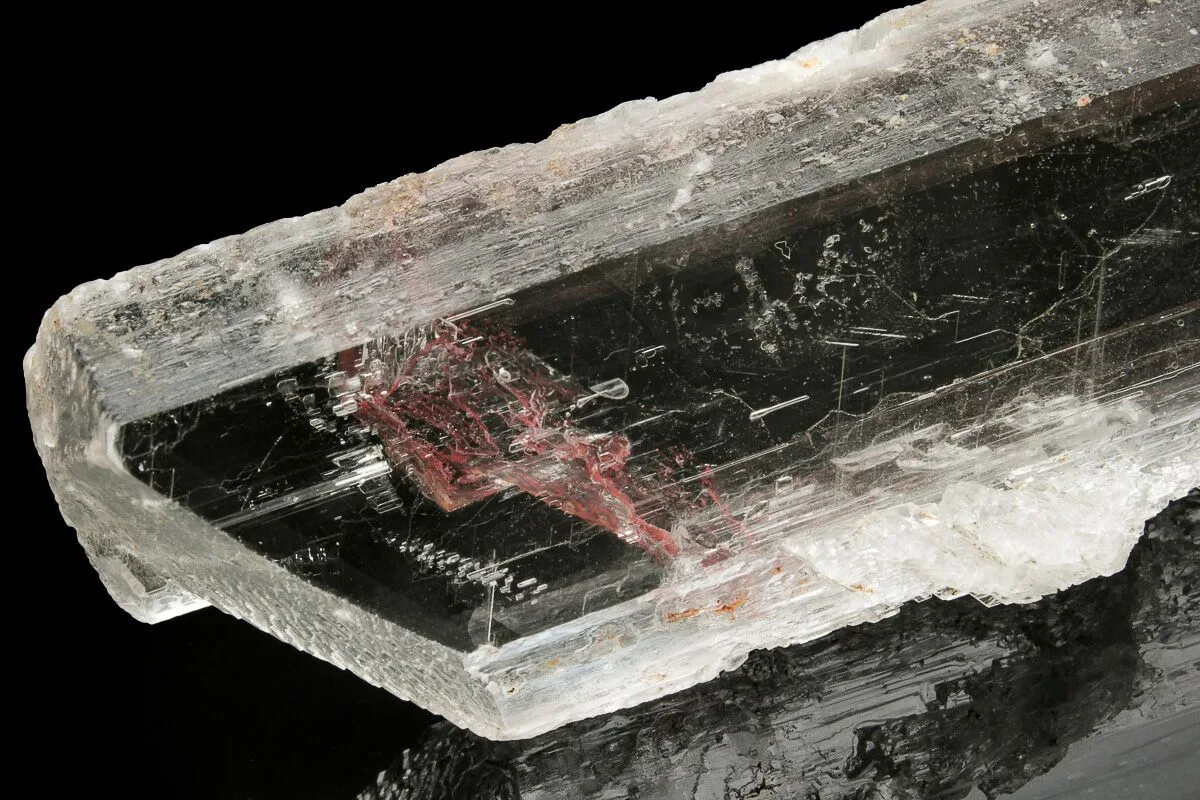
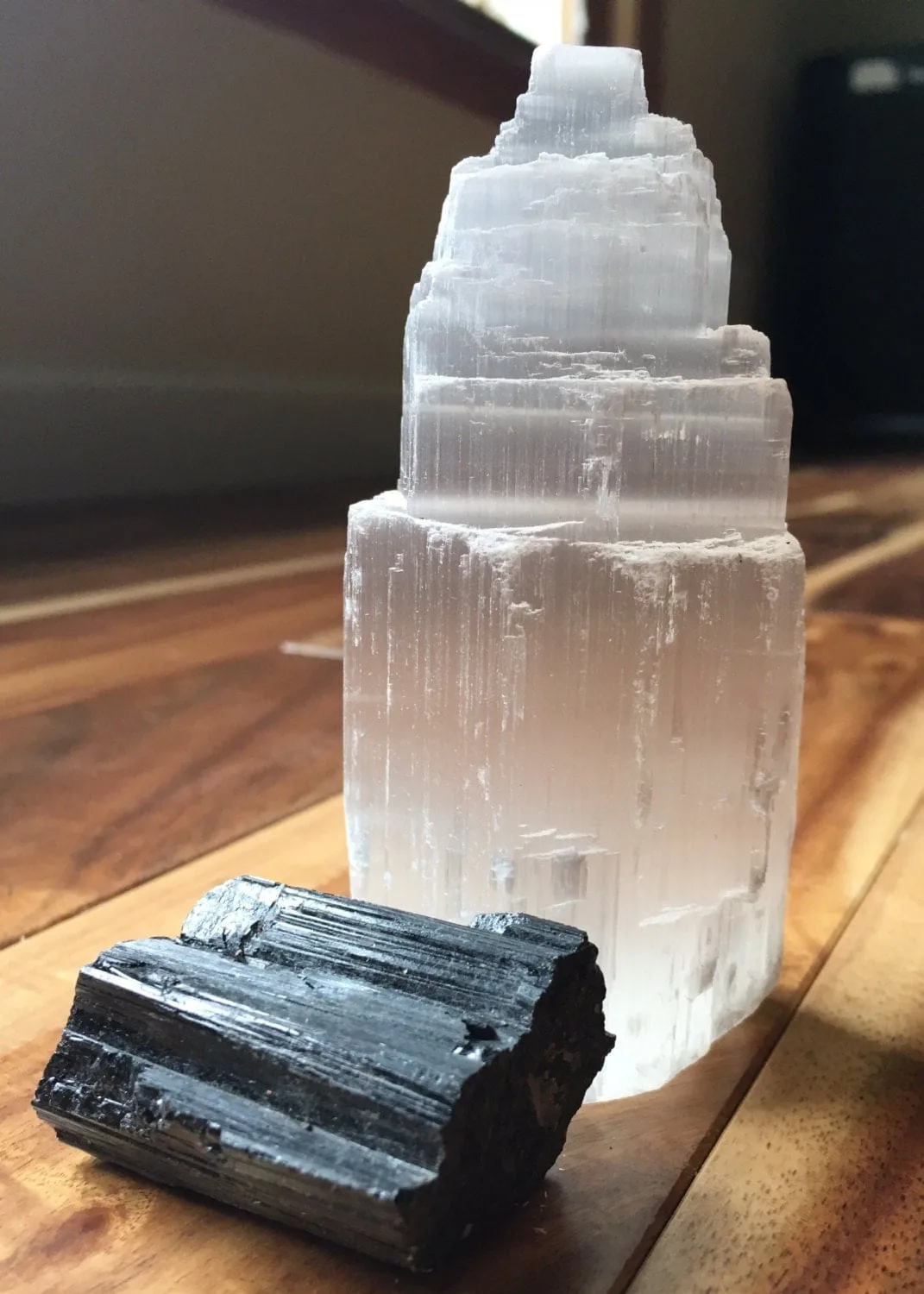
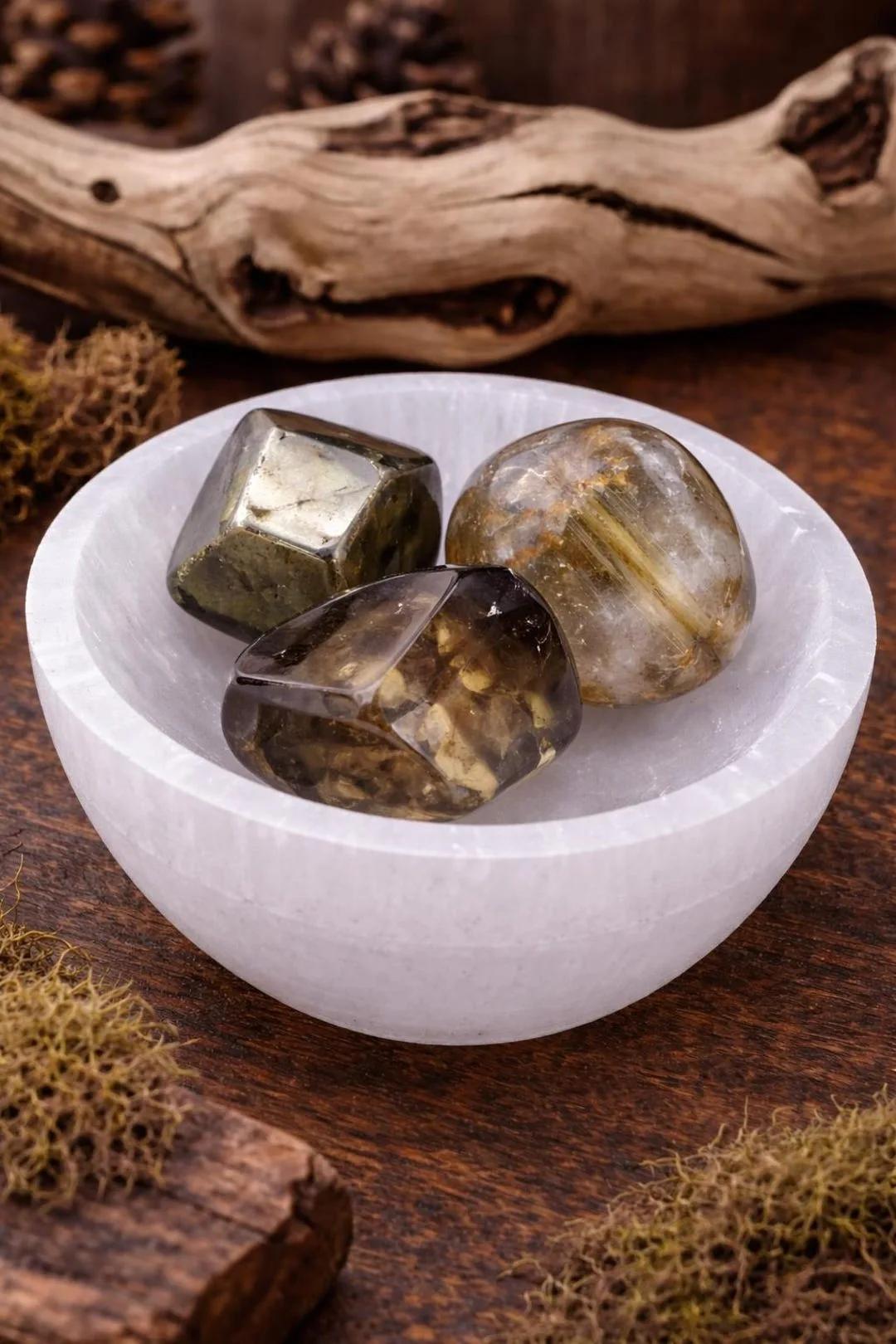
Selenite is gypsum. It has a hardness of 2. It feels like chalk.
Salt water turns it to sludge. Halite is rock salt. It disappears entirely.
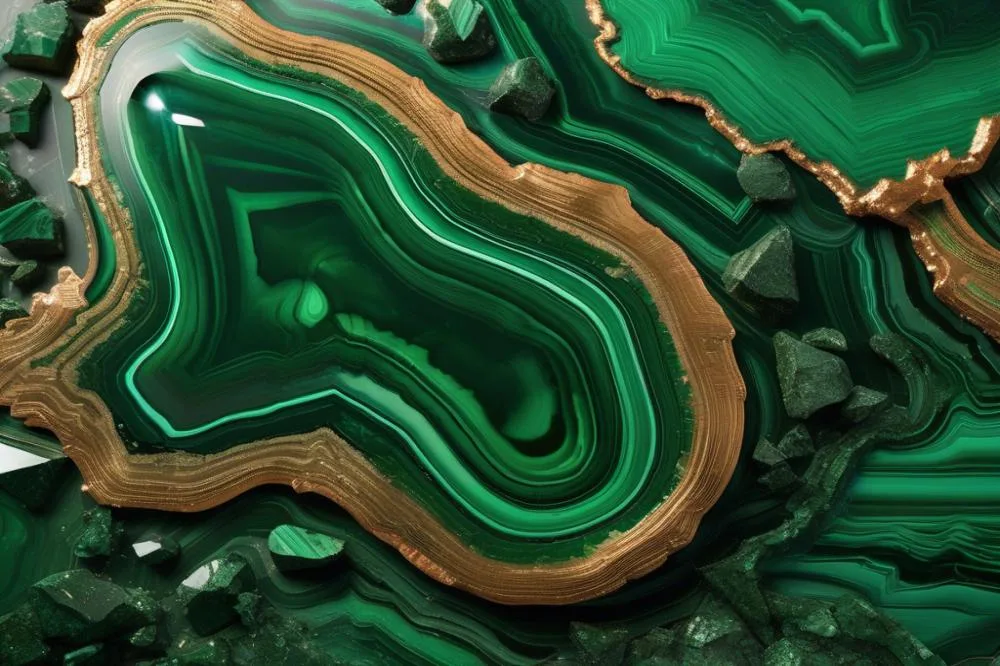
Malachite contains copper. Salt accelerates its degradation and creates toxic runoff. Never wash copper ores in brine.
Refer to USGS Mineral Resources for detailed chemical compositions if uncertain.
Lapis Lazuli often contains pyrite flecks. Those metallic spots rust in salt water. The blue matrix can also fade or pit.
Opals contain up to 20% water. Drying them out after soaking causes crazing (fine cracks). Amber and copal are fossilized resins.
They soften and cloud when exposed to harsh chemicals. Treat these with extreme caution.
Safe Harbor: Hard, Non-Porous Stones That Can Handle the Dip
Not all crystals are fragile. Some are incredibly durable. Quartz varieties dominate this group.
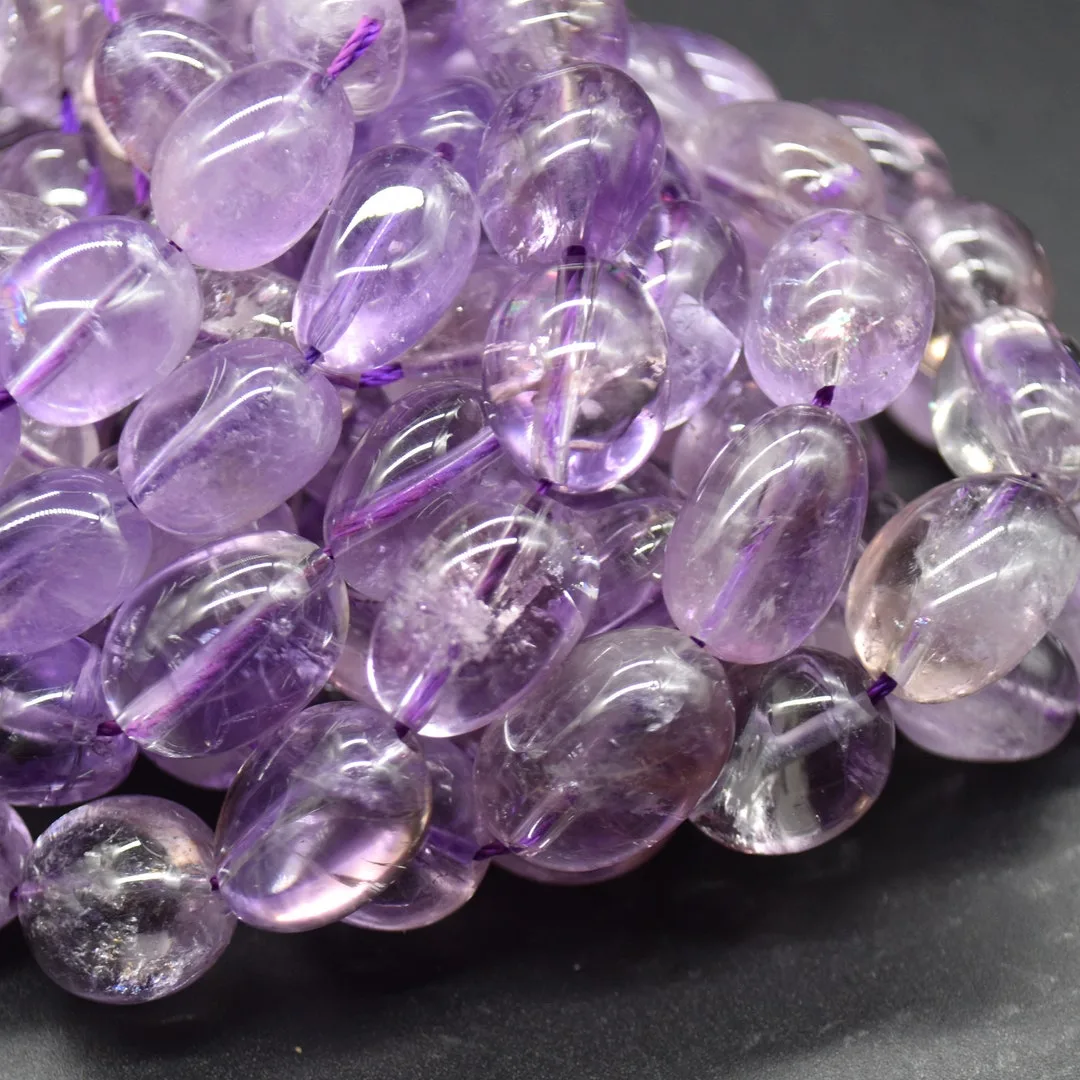
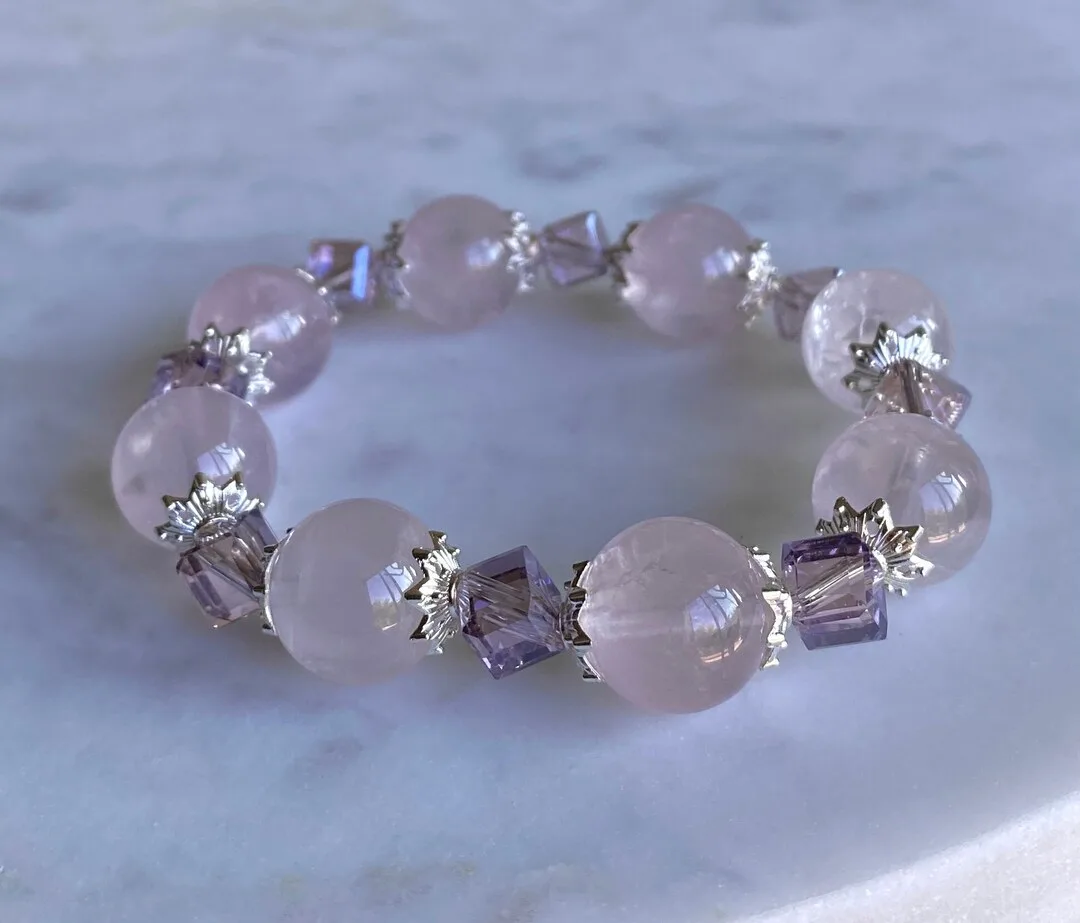
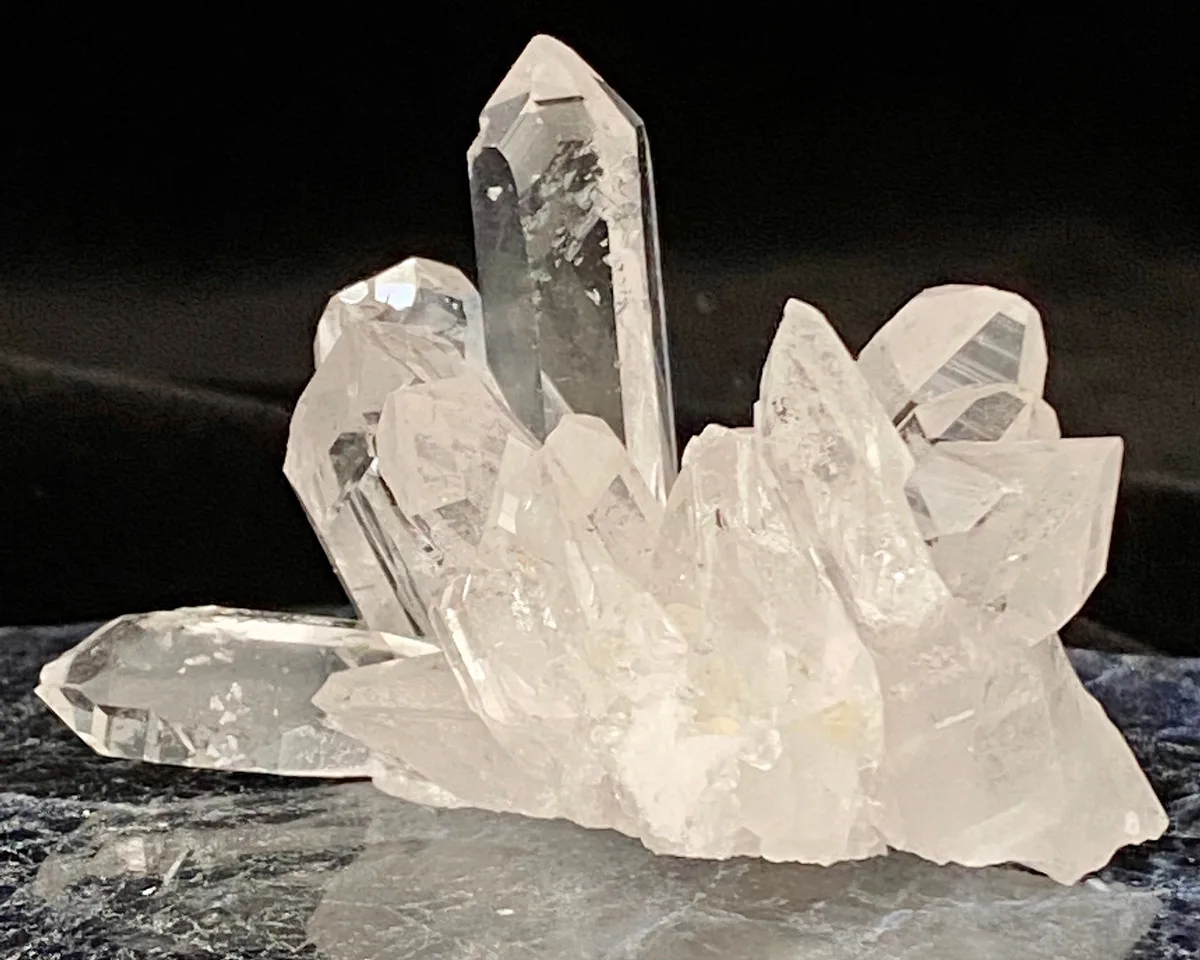
Clear Quartz, Amethyst, Citrine, Rose Quartz, and Smoky Quartz sit at 7 on the Mohs scale. They are silicon dioxide. Chemically inert to salt solutions.
Obsidian is volcanic glass. It’s hard and non-porous. Salt won’t hurt it.
Jasper and Agate are chalcedony varieties. Also silica-based. Generally safe for brief rinses.
Black Tourmaline (Schorl) is robust, though some practitioners avoid it due to perceived energy density. Physically, it holds up well.
However, “safe” doesn’t mean “unlimited.” Even hard stones suffer from prolonged immersion. Salt crystals can lodge in surface pits. This attracts dirt later.
Always rinse thoroughly with fresh water afterward. Dry completely before storing. Never leave them sitting in brine overnight.
The risk of accidental contamination rises with time. Stick to short durations. One hour maximum.
Less is more.
For jewelry settings, check the metal. Silver tarnishes in salt. Gold is stable but glue fails.
Loose stones are safer than set pieces. If your ring has a glued-in gemstone, skip the water bath entirely. Adhesives weaken with moisture and salinity.
Protect the setting as much as the stone.
Step-by-Step Protocol for the Few Stones That Actually Qualify
If you’ve confirmed your stone is safe, follow this strict workflow. Deviating increases risk. Precision protects your collection.
Here’s how to execute salt cleansing correctly for eligible minerals.
- Prepare the Solution: Use distilled water and pure sea salt. Avoid table salt with iodine or anti-caking agents. These additives leave residues. Mix until saturated or use a strong brine ratio (approx. 1 tablespoon per cup).
- Submerge Briefly: Place the crystal in the solution. Limit exposure to 15, 60 minutes. Do not exceed one hour. Set a timer. Distraction leads to accidents.
- Agitate Gently: Swirl the container lightly. This helps dislodge surface debris. Do not scrub. Abrasion damages polish.
- Rinse Thoroughly: Remove the stone. Rinse under lukewarm running fresh water. Ensure all salt traces are gone. Residual salt draws moisture from the air later.
- Dry Completely: Pat with a lint-free cloth. Air dry on a towel away from direct heat. Sunlight fades some colors (like Amethyst). Indoor ambient drying is best.
- Inspect: Check for white spots. If found, re-rinse. Repeat until clean. Store only when bone-dry.
This protocol minimizes chemical interaction time. It balances cleansing efficacy with preservation. Never reuse the salt water.
Dispose of it safely. If cleaning toxic stones like Pyrite, wear gloves during the rinse phase. Wash hands afterward.
Safety first, always.
Better Alternatives When Salt Is Off-Limits (Moonlight, Smoke, Sound)
You’ve identified the stones that can’t handle brine. Now what? You still need to clear their energy without risking physical damage.
Dry methods are your best friends here. They work for every crystal on the "Do Not Submerge" list, from fragile Selenite to toxic Malachite.
Moonlight cleansing is gentle and universal. Place your stones on a windowsill during a full moon. The light passes through them without introducing moisture or chemicals.
This works perfectly for photosensitive gems like Amethyst, which might fade in sunlight but stay vibrant under lunar glow. Leave them out overnight. Bring them inside at dawn.
Smoke cleansing offers a traditional alternative. Use dried sage, palo santo, or incense sticks. Hold the smoke over the stone for thirty seconds.
Pass it back and forth. Ensure good ventilation. This method is ideal for porous stones like Turquoise or Opal.
It avoids water absorption entirely. Just be mindful of ash residue. Wipe gently with a soft cloth afterward.
Sound healing is perhaps the safest option of all. Singing bowls, chimes, or tuning forks create vibrations. These frequencies penetrate the crystal lattice.
They dislodge stagnant energy without touching the surface. This is perfect for museum-quality specimens or delicate jewelry settings. You won’t risk loosening glue or tarnishing metal.
Simply play the sound near the object. Let the resonance do the work. No cleanup required.
FAQ: Specific Crystal Concerns and Myth-Busting
Can I use vinegar instead of salt water?
No. Vinegar is acidic. It reacts violently with carbonate-based stones like Calcite, Lapis Lazuli, and Malachite.
The acid dissolves the calcium or copper components. You’ll etch the surface permanently. Stick to dry methods for these minerals.
Never substitute acids for salt unless you’re certain the stone is acid-resistant (like pure Quartz). Even then, risks remain high.
Why does my Hematite turn orange after washing?
That’s rust. Hematite is iron oxide. Salt accelerates oxidation.
The orange powder is degraded iron. Once this starts, it’s hard to stop. The stone loses its metallic luster.
Avoid water entirely for Hematite. If it’s already rusty, try a dry brush. Do not soak it again.
Prevention is easier than cure here. Keep it dry and stored separately.
Is sea salt better than table salt for crystals?
Neither is safe for sensitive stones. Sea salt contains trace minerals that can react unpredictably. Table salt has iodine and anti-caking agents.
Both leave residues. If you must use salt, choose pure, unrefined sea salt. Dissolve it completely.
But remember, the issue isn’t just the type of salt. It’s the presence of sodium chloride itself. For porous or soft stones, any salt is harmful.
Skip it altogether.
Can I cleanse multiple crystals together in salt water?
Only if they are all hard, non-porous, and chemically compatible. Mixing a soft stone with a hard one causes abrasion. A reactive stone contaminates the water for others.
Group by hardness and composition. Keep Selenite away from Quartz. Separate Malachite from everything else.
When in doubt, cleanse individually. Batch processing saves time but risks damage. Individual attention preserves value.
What if I accidentally soaked my Selenite?
Act fast. Remove it immediately. Pat dry with a soft towel.
Do not rub. Rubbing spreads the dissolution. Let it air dry slowly in a shaded area.
Check for structural integrity. If it feels mushy, it’s compromised. Small chips may be salvageable.
Large losses are permanent. Learn from the mistake. Label your storage bins clearly.
Future-you will thank present-you for the caution.

Similar Posts