Is Manifesting Haram: Unveiling the Truth

Have you ever wondered if manifesting is haram? You’re not alone.
Many people who want to attract good things in life worry whether this practice fits within their faith. It’s natural to ask if using your thoughts and intentions to shape your future goes against religious teachings. You’ll discover clear answers and thoughtful insights that help you understand manifesting from a faith perspective.
Keep reading to find out what truly matters when it comes to your beliefs and your goals.
The Concept Of Manifesting
Understanding the concept of manifesting is key to addressing whether it aligns with religious beliefs or not. Manifesting is often seen as a way to bring your desires into reality by focusing your thoughts and energy. Let’s break down what manifesting really means, where it comes from, and the main ideas behind it.
What Is Manifesting?
Manifesting means turning your thoughts and intentions into real-life outcomes. It’s based on the idea that your mind can influence your reality. You focus on what you want, believe it’s possible, and take steps toward achieving it.
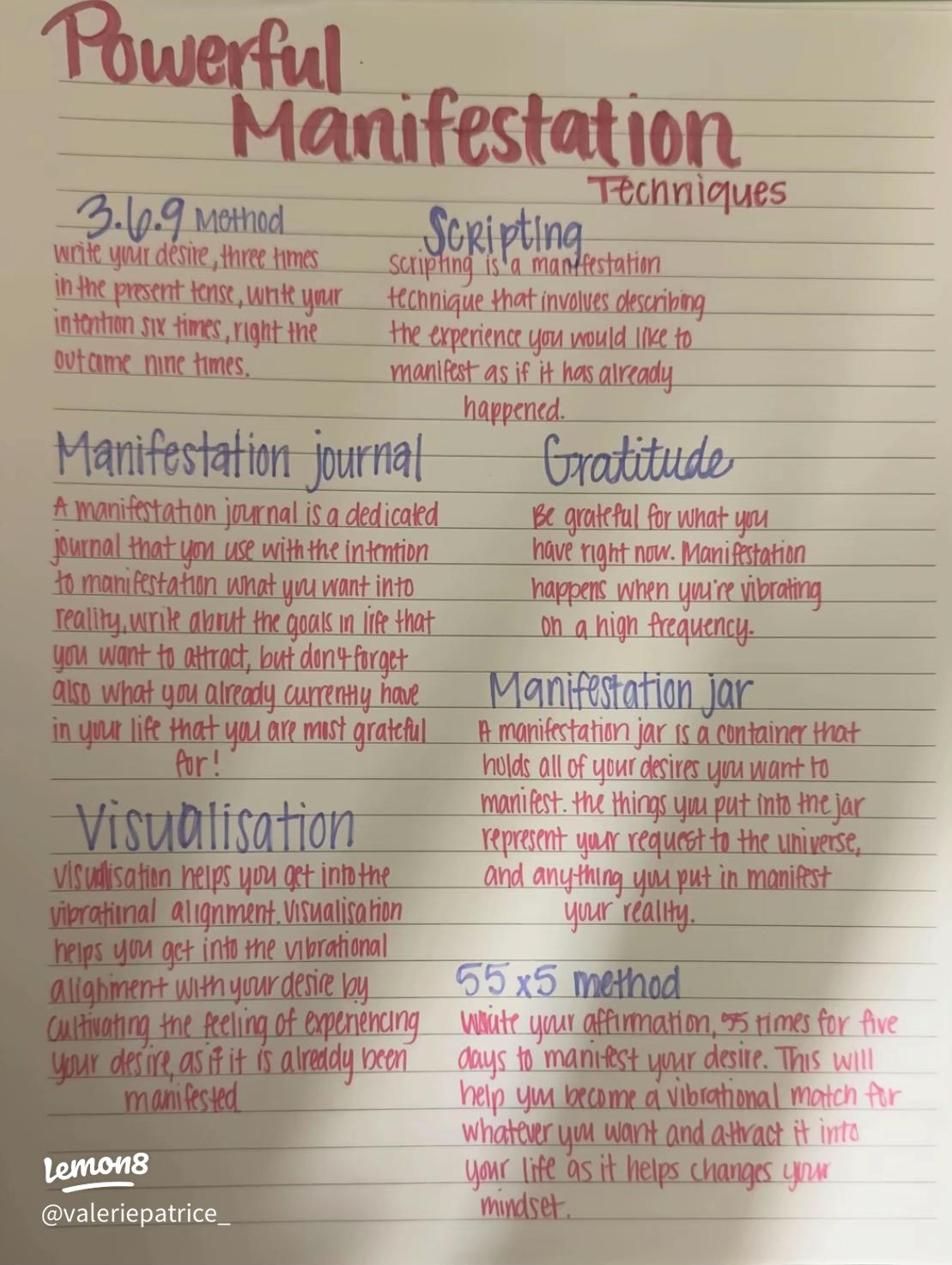
People often use affirmations, visualization, and positive thinking as tools for manifesting. You might picture yourself succeeding or repeat encouraging statements to build confidence and motivation. This practice aims to align your mindset with your goals.
Origins Of Manifesting
Manifesting isn’t new; it has roots in various spiritual and philosophical traditions. Some of its principles come from the New Thought movement of the 19th century, which emphasized the power of the mind. Other influences include ancient teachings from Hinduism and Buddhism about the connection between thoughts and reality.
In modern times, manifesting gained popularity through books and speakers who promote the “law of attraction.” This law suggests that like attracts like, meaning positive or negative thoughts bring similar experiences. Knowing where manifesting comes from helps you see its cultural and historical context.
Key Principles Of Manifesting
- Focused Intention:Clearly defining what you want to achieve is essential.
- Belief:You must truly believe that your goal is possible.
- Visualization:Imagining the desired outcome vividly helps create a mental roadmap.
- Positive Mindset:Keeping your thoughts positive supports your journey toward success.
- Action:Manifesting isn’t just thinking; it requires taking concrete steps.
Have you ever noticed how your mindset affects your daily results? Manifesting asks you to harness that power intentionally. It’s about more than wishful thinking—it involves consistent focus and effort.

Credit: www.instagram.com
Is Manifesting Compatible With Islamic Teachings?
Manifesting means trying to bring your desires into reality through focused thought and belief. Some wonder if this idea fits within Islamic teachings. Islam teaches trust in God’s plan and taking action with sincere intentions. This section explores how manifesting relates to Islamic values and principles.
The Concept Of Tawakkul In Islam
Tawakkul means putting trust in Allah while doing your part. Muslims believe success comes from God’s will. It is not enough to just wish for something. You must work and then trust Allah for the results. This balance between effort and trust is key in Islam.
The Role Of Intentions In Islam
Intentions (niyyah) guide every action in Islam. A good intention makes an act valuable and accepted by Allah. Manifesting with pure and honest intentions aligns with Islamic teachings. If someone wishes for good things with sincere heart, it is encouraged in Islam.
The Importance Of Hard Work In Islam
Islam emphasizes effort and perseverance. The Prophet Muhammad said, “No one eats better food than that which he eats by the work of his own hands.” Manifesting without taking action is not enough. Hard work combined with prayer and trust is the proper way.
Haram Elements In Manifesting
Manifesting involves focusing your thoughts and energy on achieving goals. Some aspects of manifesting may clash with Islamic teachings. Understanding these haram elements helps maintain faith and avoid spiritual pitfalls.
The Focus On Personal Desires
Manifesting often centers on personal wants and needs. Islam encourages seeking what is good for the soul and others, not only personal gain. Focusing too much on self-interest can lead to selfishness, which Islam warns against. This focus may ignore the importance of trusting Allah’s plan.
The Lack Of Gratitude And Humility
Manifesting can cause people to forget gratitude for current blessings. Islam teaches constant thankfulness to Allah for all that one has. Manifesting sometimes implies dissatisfaction and impatience. This attitude clashes with humility, a key value in Islam. Without humility, one may become arrogant or ungrateful.
The Overemphasis On Material Wealth
Manifesting often highlights gaining wealth and possessions. Islam warns against loving worldly goods too much. Overvaluing material things can distract from spiritual growth. Islam promotes balance between worldly life and the hereafter. Excessive focus on material wealth can lead to greed and neglect of religious duties.

Credit: www.youtube.com
The Gray Area: Cultural And Personal Interpretations
The question of whether manifesting is haram often falls into a gray area shaped by cultural backgrounds and personal beliefs. Understanding this complexity requires looking beyond strict definitions and considering how different people view the practice based on their unique contexts. This section explores how culture and individual experiences influence opinions on manifesting, encouraging you to reflect on your own perspective.
Cultural Influences On Manifesting Practices
Cultures vary widely in how they perceive concepts like manifesting. In some societies, it is closely linked to spiritual or religious traditions that emphasize reliance on divine will. Others may see manifesting as a form of positive thinking or goal-setting, which can be more acceptable.
For example, in some Muslim communities, manifesting is viewed with suspicion because it might seem to challenge the idea that only God controls outcomes. However, other cultures embrace similar practices under different names without conflict. How does your cultural background shape your view on manifesting?
Personal Experiences And Perceptions Of Manifesting
Your personal journey often colors how you interpret manifesting. Some people find that focusing their thoughts and intentions helps them stay motivated and achieve goals. Others might feel uncomfortable if the practice seems to promise control over things beyond human power.
I once met someone who used manifesting techniques to improve their career but always framed it as asking for God’s guidance. This approach helped them reconcile manifesting with their faith. Could aligning manifesting with your beliefs make it feel more acceptable to you?
The Need For Contextual Understanding
No single answer fits everyone when it comes to whether manifesting is haram. It depends on how the practice is understood and applied within your own religious and cultural framework. Recognizing this gray area invites thoughtful discussion rather than quick judgments.
Before deciding how you feel about manifesting, consider these questions:
- Is manifesting being used to replace trust in a higher power, or to complement it?
- Does the practice encourage ethical behavior and positive intentions?
- How do your own experiences shape your comfort with manifesting?
Reflecting on these points can help you find a balanced view that respects both your beliefs and your personal growth.
Finding Balance And Harmony
Finding balance and harmony is key when exploring manifesting in an Islamic context. It means blending faith with positive thinking without crossing boundaries. This approach respects religious teachings while allowing personal growth and hope. It encourages mindfulness and spiritual alignment, leading to peace and purposeful living.
Integrating Islamic Values With Manifesting Principles
Islam teaches reliance on Allah and trust in His plan. Manifesting can align with this by focusing on intentions and prayers. Setting goals is fine, but belief in divine wisdom remains central. Avoid expecting outcomes without effort or supplication. Combining intention with dua and trust keeps manifesting within Islamic values.
The Importance Of Sincerity And Humility
Sincerity in asking for what truly benefits the soul matters most. Humility means recognizing human limits and Allah’s ultimate power. Manifesting should not lead to arrogance or selfish desires. It must come from a pure heart, seeking good for oneself and others. This guards against pride and keeps faith strong.
Embracing A Balanced And Holistic Approach
Balance involves action, prayer, and patience together. Manifesting is part of effort, not a magic fix. Accepting outcomes with gratitude and calm is vital. A holistic view includes mental, spiritual, and physical well-being. This harmony supports a healthy mindset and deeper connection to faith.

Credit: www.instagram.com
Frequently Asked Questions
Is Manifesting Considered Haram In Islam?
Manifesting can be haram if it involves shirk or relying on supernatural powers. Islam encourages praying to Allah alone for needs. Positive thinking is allowed but must not replace trust in Allah.
Can Muslims Practice Manifestation Without Breaking Islamic Rules?
Yes, Muslims can focus on positive goals and pray sincerely. Manifesting intentions should align with Islamic values and trust in Allah’s will. Avoid practices involving forbidden beliefs or rituals.
What Is The Islamic View On Using Manifestation Techniques?
Islamic teachings emphasize dua (prayer) and tawakkul (trust in God). Manifestation techniques based on self-effort and faith can be permissible if they don’t contradict Islamic monotheism.
Does Manifesting Contradict The Concept Of Qadr In Islam?
Manifesting does not contradict Qadr if it involves effort and prayer. Belief in divine destiny remains central, while humans must actively pursue goals with reliance on Allah.
Conclusion
Manifesting can be a personal choice with different views. Some believe it fits within their faith, while others do not. It is important to understand your own beliefs clearly. Always seek knowledge from trusted sources. Think about your intentions and actions carefully.
Balance hope with realistic effort every day. Respect others’ opinions even if they differ. Stay true to your values and faith. Manifesting is not a simple yes or no. It depends on how you practice it. Keep learning and reflecting on your path.

Similar Posts