Was Manifest Destiny Good Or Bad: Unveiling Its True Impact
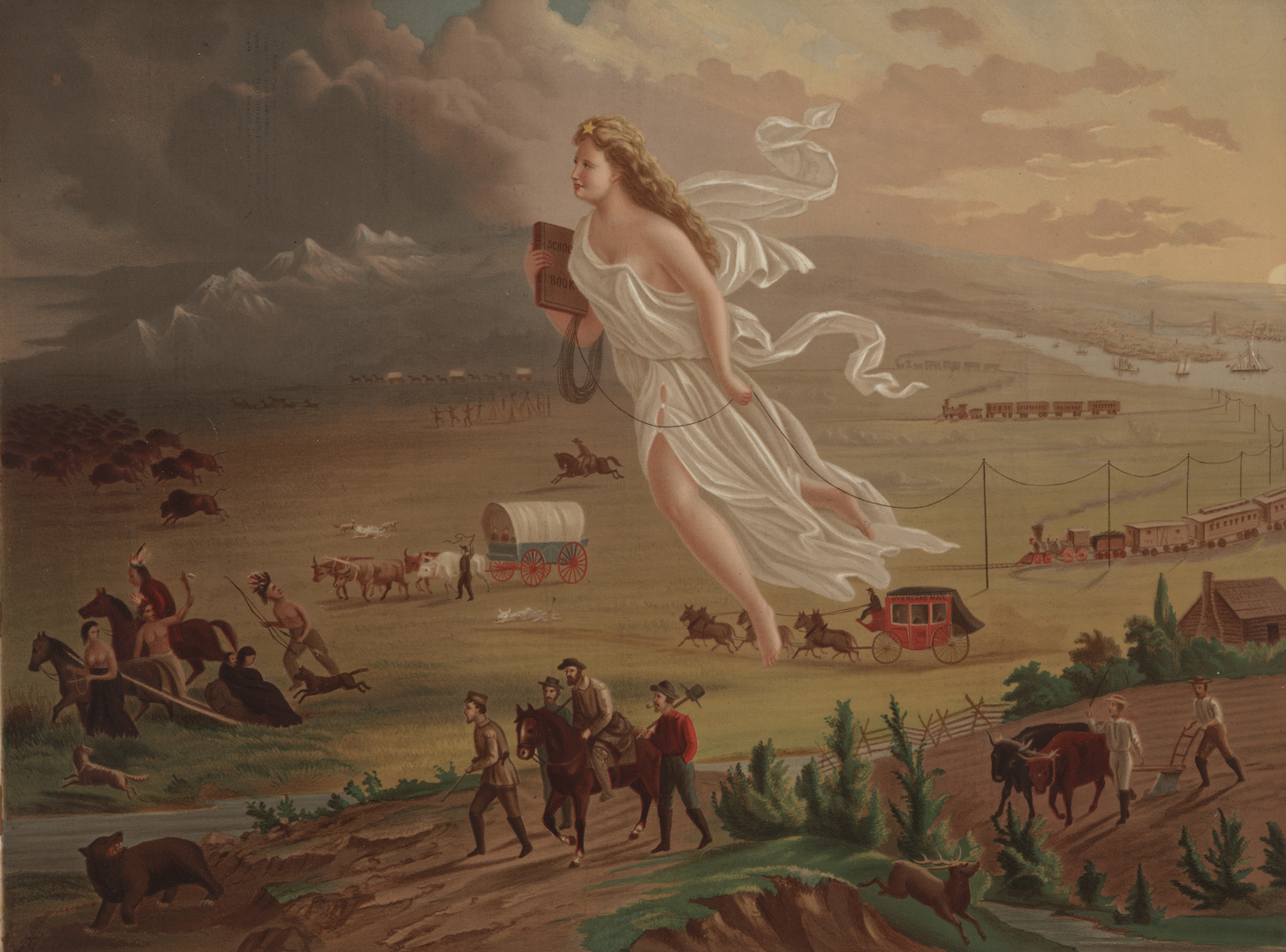
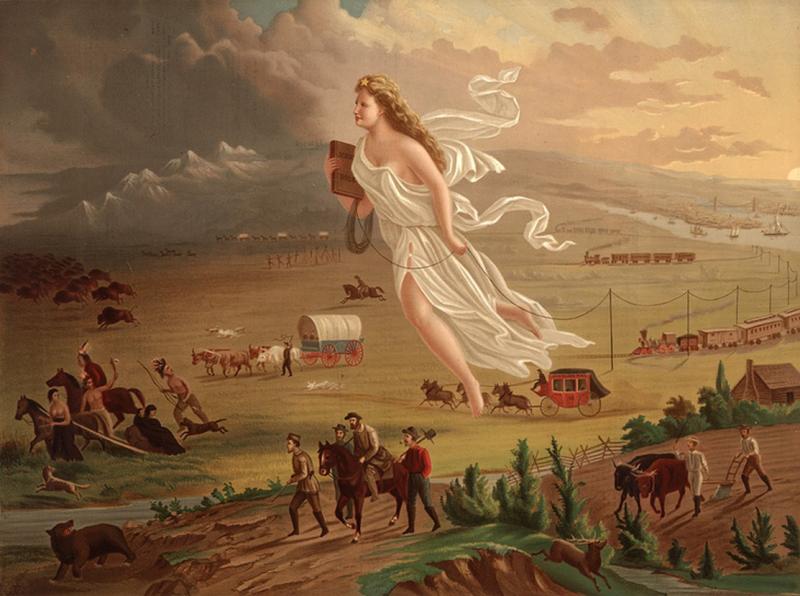
Have you ever wondered if Manifest Destiny was truly a force for good or a cause of harm? This idea shaped a huge part of American history, pushing the nation to expand westward.
But was that expansion a positive step forward or did it come with serious costs? As you read on, you’ll discover surprising facts that challenge what you might think. By the end, you’ll have a clearer picture—and your own opinion—about whether Manifest Destiny was good or bad.
Keep reading to find out why this question still matters today.

Credit: www.ebay.com
Roots Of Manifest Destiny
The roots of Manifest Destiny reveal a complex mix of beliefs and ambitions that shaped 19th-century America. Understanding these beginnings helps you see why this idea sparked both hope and conflict. It wasn’t just about land—it was about identity, power, and destiny.
Origins And Ideology
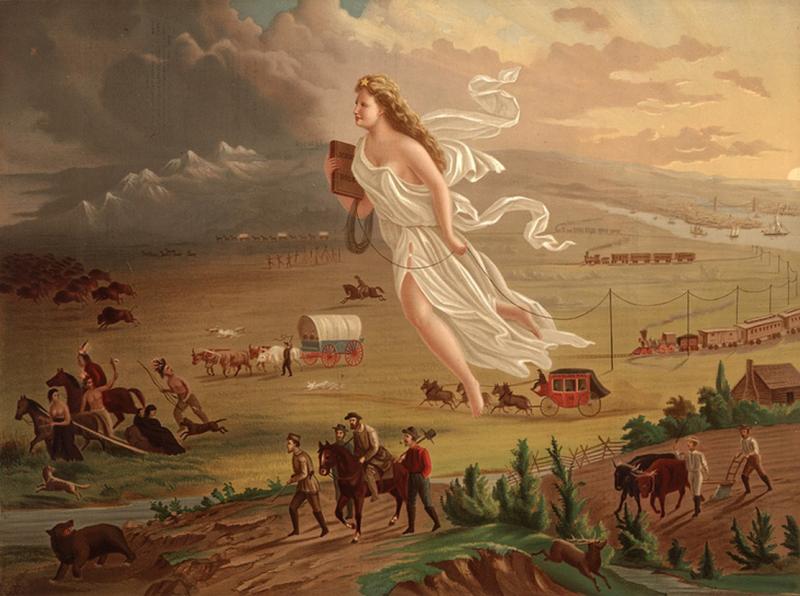
Manifest Destiny emerged in the 1840s as Americans believed they were destined to expand across the continent. This belief was tied to ideas of progress and a special mission to spread democracy and civilization. But it also carried assumptions about racial and cultural superiority that justified displacing Native Americans and others.
Think about how this mindset influenced decisions you make today—how much do your own beliefs shape your actions toward others? Manifest Destiny wasn’t just a political goal; it was a worldview that affected millions of lives.
Key Figures And Influences
Journalists and politicians played a huge role in spreading Manifest Destiny. People like John L. O’Sullivan, who coined the term, pushed the idea that America had a God-given right to stretch from the Atlantic to the Pacific. Presidents like James K. Polk turned this vision into policy by pushing for Texas annexation and the Oregon Territory.
These leaders didn’t act in isolation—they reflected and shaped public opinion. When you examine their motivations and actions, you start to understand how powerful ideas can become policies that change the world. What lessons do you think we can learn from how these figures influenced history?

Credit: www.ebay.com
Territorial Expansion
Territorial expansion was a core idea behind Manifest Destiny, driving the United States to grow its borders rapidly during the 19th century. This expansion shaped the nation’s identity and future, but it also sparked deep controversies about the consequences of acquiring new lands. Understanding these territorial gains helps you see why Manifest Destiny is still debated today.
Major Land Acquisitions
The United States gained vast territories through several key events:
- Louisiana Purchase (1803):Doubled the size of the country by buying land from France.
- Texas Annexation (1845):Texas joined the U.S. after breaking away from Mexico, leading to conflict.
- Oregon Territory (1846):Settled border disputes with Britain, adding land in the Pacific Northwest.
- Mexican Cession (1848):Following the Mexican-American War, the U.S. acquired present-day California, Arizona, and more.
- Gadsden Purchase (1854):Bought land from Mexico to facilitate railroad construction.
These acquisitions expanded the nation’s reach from coast to coast. But did this growth benefit everyone equally?
Impact On Native Lands
The expansion had devastating effects on Native American communities. As settlers moved west, many indigenous peoples were forced off their ancestral lands through treaties that were often unfair or ignored. This led to loss of homes, culture, and lives.
Have you thought about how this kind of forced displacement shapes a nation’s history and identity? The human cost of Manifest Destiny is often overshadowed by tales of progress.
Understanding the impact on Native lands invites you to question the true price of growth. It challenges you to weigh the benefits of expansion against the suffering it caused.
Economic Effects
The economic effects of Manifest Destiny changed the United States in many ways, shaping how people worked, traded, and lived. It pushed the country to grow its agriculture and industry, while also improving how goods moved across the land. Understanding these changes can help you see the true impact of this era on everyday life and the economy.
Growth Of Agriculture And Industry
Manifest Destiny opened vast new lands for farming, attracting settlers eager to grow crops and raise livestock. This expansion boosted agricultural output significantly, feeding more people and supporting the economy. You might wonder how this affected local farmers—many found new opportunities, but some struggled with the cost of new land and competition.
At the same time, industries like mining and manufacturing grew as resources were discovered and demand increased. Factories started producing more goods to meet the needs of the expanding population. Have you ever thought about how these industries changed your town’s job market back then?
Trade And Transportation Developments
The need to connect distant lands led to major improvements in transportation. Railroads stretched across the continent, making it faster and cheaper to move goods and people. This created new markets and allowed farmers and manufacturers to sell their products far beyond their local areas.
Steamboats and canals also played a big role, boosting trade along rivers and lakes. These developments made you less isolated and more connected to the rest of the country. How would your daily life have changed with faster travel and easier access to goods?
Social And Cultural Changes
Manifest Destiny brought big social and cultural shifts across America. It changed where people lived and how they interacted. These changes shaped the nation’s identity and affected many lives deeply.
Migration And Settlement Patterns
People moved west to find new land and chances. Towns and cities grew quickly along trails and rivers. Settlers built farms and businesses in new areas. Railroads helped more people travel fast and far. This migration spread American culture and ideas widely. It also created a mix of different communities and customs.
Effects On Indigenous Peoples
Native American tribes faced great losses from this expansion. Many were forced to leave their lands and homes. Their cultures and ways of life were disrupted or destroyed. Treaties often took land away without fair deals. Conflicts and violence increased between settlers and tribes. The impact on Indigenous peoples remains a painful part of history.
Political Consequences
The political consequences of Manifest Destiny were profound and shaped the future of the United States in complex ways. This movement didn’t just redraw maps; it altered power dynamics and policies within the country. Understanding these shifts helps you see how expansion fueled conflicts and challenges that still resonate today.
Shifts In Power And Policy
Manifest Destiny shifted political power by expanding U.S. territory significantly. As new lands were added, questions arose about how to govern them. This often meant changing policies to manage new states and territories.
The balance between free and slave states became a critical issue. Politicians had to decide whether these new areas would allow slavery, impacting the national power balance. This tug-of-war influenced key legislative acts, like the Missouri Compromise and the Compromise of 1850.
You might wonder how the government handled such rapid growth. It led to debates over federal versus state authority and intensified political divisions. The expansion also encouraged policies favoring settlers, often at the expense of Native American populations.
Role In Sectional Tensions
Manifest Destiny heightened sectional tensions between the North and South. As new territories opened, each side pushed for control to protect their economic and social interests. This struggle deepened distrust and hostility.
Many politicians feared that the addition of new slave states would shift power toward the South. Meanwhile, abolitionists and Northern leaders resisted the spread of slavery. This conflict contributed directly to events leading up to the Civil War.
Think about how your views on national unity might be challenged by such deep divisions. Manifest Destiny forced the country to confront its contradictions over freedom and equality. It showed that expansion was not just about land but about the future direction of the nation itself.
Moral And Ethical Debates
The idea of Manifest Destiny sparked many moral and ethical debates. It raised questions about right and wrong on a large scale. People argued about the fairness of expanding the United States across the continent. These debates still affect how we view this period today.
Justifications And Criticisms
Supporters said Manifest Destiny was a noble goal. They believed the U.S. had a duty to spread freedom and democracy. They saw expansion as a way to bring progress and civilization.
Critics disagreed strongly. They said it was a cover for greed and power. They pointed to the violence and injustice against Native Americans and Mexicans. Many saw Manifest Destiny as an excuse for taking land unfairly.
Legacy Of Racism And Displacement
Manifest Destiny left a lasting impact on many groups. Native Americans lost their homes and way of life. Many were forced to move far from their ancestral lands.
Racism grew as settlers believed they were superior. This belief justified harsh treatment of others. The legacy of these actions still affects society today.
Long-term Impact
Manifest Destiny left a deep mark on the United States. Its effects still shape many parts of American life and culture. The policy expanded the nation’s borders and changed its social and political landscape. The long-term impact remains a mix of progress and conflict.
Shaping Modern America
Manifest Destiny helped define the map of the U.S. It added vast lands from the Atlantic to the Pacific. This expansion created new opportunities for farming, trade, and settlement.
The growth also led to the rise of new states and cities. It boosted the economy by opening new markets and resources. The idea of a continental nation became central to American identity.
Yet, this growth came with challenges. It displaced Native American tribes and caused many conflicts. The debate over slavery grew sharper as new territories joined the Union. These issues influenced the country’s future struggles.
Reevaluating Manifest Destiny Today
Modern views of Manifest Destiny are more critical. People recognize the harm done to indigenous peoples. Forced removals and broken treaties are seen as tragic outcomes.
At the same time, the expansion is seen as a key part of America’s rise. It shaped the nation’s diversity and economic strength. Today, scholars and citizens debate its meaning and legacy.
This reevaluation helps us understand both the positive and negative sides. It encourages a balanced view of history. Learning from the past guides us toward a more just future.

Credit: www.facebook.com
Frequently Asked Questions
What Is Manifest Destiny?
Manifest Destiny was a 19th-century belief in American expansion. It held that the U. S. was destined to expand across North America. This belief was used to justify territorial acquisitions. Manifest Destiny played a significant role in American history and influenced policies related to westward expansion.
Was Manifest Destiny Beneficial For America?
Manifest Destiny had both positive and negative impacts. It helped the U. S. grow in size and resources. However, it led to conflict with Native Americans and other nations. The concept promoted westward expansion but also caused displacement and suffering for many indigenous peoples.
How Did Manifest Destiny Affect Native Americans?
Manifest Destiny severely impacted Native Americans. It led to loss of land and resources for indigenous communities. Forced relocations, such as the Trail of Tears, were consequences. Many Native American cultures faced significant challenges due to expansion policies.
Did Manifest Destiny Cause Conflicts?
Manifest Destiny did cause conflicts with other nations and peoples. It fueled tensions with Mexico, leading to the Mexican-American War. Disputes arose over territorial claims and boundaries. Conflicts with Native Americans resulted from westward expansion efforts and settlement.
Conclusion
Manifest Destiny shaped America in many ways. It brought growth and new opportunities. Yet, it also caused pain and conflict. Native peoples lost land and lives. The nation grew but faced tough choices. History shows both good and bad sides.
Thinking about this helps us learn. We see how progress can come with costs. Understanding the past guides our future. The story of Manifest Destiny is complex. It asks us to consider what we value most.

Similar Posts