What is a Manifesto in Writing: Ultimate Guide to Powerful Expression
Have you ever wondered what makes some pieces of writing so powerful that they inspire action and change? The secret often lies in a manifesto.
But what exactly is a manifesto in writing? It’s more than just words on a page—it’s a bold statement of beliefs, values, and vision that grabs your attention and refuses to let go. If you want to learn how a manifesto can sharpen your message and connect deeply with your audience, keep reading.
This article will reveal everything you need to know about crafting a manifesto that speaks directly to your readers and sparks real impact.
Purpose Of A Manifesto
A manifesto is a powerful statement of beliefs and goals. Its purpose is to clearly express what the writer stands for. It helps share ideas and inspire action. A manifesto guides readers to understand the core message quickly. It sets the tone for a movement, project, or personal vision.
Core Intentions
The core intentions of a manifesto focus on clarity and passion. It reveals what the writer wants to achieve. It explains values and principles without confusion. A strong manifesto highlights key points in a direct way. It acts as a roadmap for future decisions and actions.
Target Audience
A manifesto speaks to a specific group of people. It connects with those who share similar views or needs. Understanding the audience helps shape the tone and language. It aims to motivate and unite readers around a common cause. The manifesto creates a bond between the writer and the audience.
Impact On Readers
The manifesto aims to move readers emotionally and intellectually. It encourages them to think differently or take action. A good manifesto leaves a lasting impression and sparks discussion. It can inspire change and build community support. Readers feel empowered and part of something bigger.
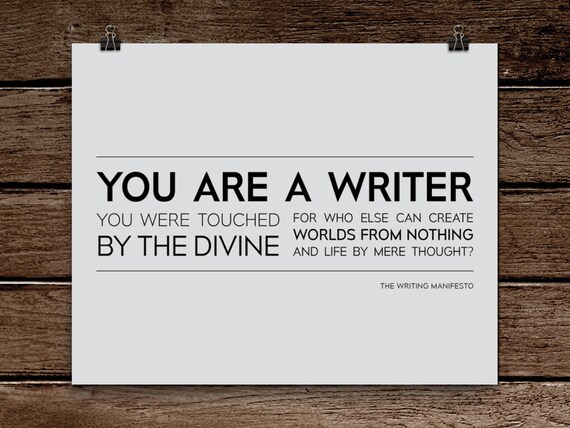
Credit: www.etsy.com
Key Elements Of A Manifesto
A manifesto is a clear statement of beliefs and goals. It guides actions and inspires others. Key elements make a manifesto powerful and memorable. Understanding these parts helps you write a strong manifesto.
Clear Vision
A manifesto must show a clear vision of the future. It explains what you want to change or achieve. The vision should be simple and easy to picture. Readers need to understand your goal quickly.
Strong Values
Values are the core beliefs behind the manifesto. They show what matters most to you. Strong values build trust and connect with readers. They explain why your vision is important.
Bold Language
Use bold and direct language to grab attention. Short sentences and strong words make your message clear. Avoid weak or confusing phrases. Bold language helps your manifesto stand out.
Call To Action
A manifesto ends with a call to action. It tells readers what to do next. The action should be simple and possible to follow. This step turns ideas into real change.
Types Of Manifestos
Manifestos come in many forms, each serving a unique purpose. They express ideas, beliefs, or goals clearly and powerfully. Different types of manifestos target different audiences and intentions. Understanding these types helps writers choose the right style.
Political Manifestos
Political manifestos outline a party’s or candidate’s plans and values. They aim to persuade voters and gain support. These documents focus on policies, social issues, and future goals. They often appear during election seasons.
Artistic Manifestos
Artistic manifestos express the vision and style of artists or art movements. They challenge traditional ideas and introduce new creative directions. These manifestos inspire change in art, culture, and society. They often use bold and expressive language.
Personal Manifestos
Personal manifestos share an individual’s beliefs, values, and life goals. They help clarify purpose and guide decisions. People write these manifestos for self-reflection or motivation. They serve as a reminder of what matters most.
Corporate Manifestos
Corporate manifestos define a company’s mission, values, and goals. They communicate a brand’s identity to employees and customers. These manifestos build trust and inspire teamwork. They focus on ethics, innovation, and customer commitment.

Credit: verbatikmedia.com
Crafting A Powerful Manifesto
Crafting a powerful manifesto means creating a clear and strong statement. It expresses your core beliefs and goals. This writing should inspire and guide readers. A great manifesto connects with emotions and invites action.
Identifying Your Message
Start by defining the main idea you want to share. Focus on one clear message. Think about why this message matters. Keep it simple and direct. Your message should reflect your values and purpose.
Choosing The Right Tone
Select a tone that fits your message and audience. It can be bold, hopeful, or urgent. Use words that feel natural and honest. Avoid complex language. The tone should make readers feel connected and motivated.
Structuring For Impact
Organize your manifesto into clear sections. Begin with a strong opening that grabs attention. Follow with key points that support your message. End with a call to action or a memorable statement. Use short paragraphs and sentences for easy reading.
Using Persuasive Techniques
Use repetition to reinforce important ideas. Ask questions to engage readers. Include examples or stories to make points real. Appeal to emotions as well as logic. Make your writing confident and positive to persuade effectively.
Famous Manifestos And Their Influence
Famous manifestos have shaped history and culture by clearly stating bold ideas and rallying people around a cause. They often challenge the status quo and inspire change, making their influence long-lasting. Understanding these manifestos can help you craft your own powerful statements that resonate deeply with your audience.
Historical Examples
The Communist Manifestoby Karl Marx and Friedrich Engels changed political landscapes worldwide. It presented a clear vision for social change and questioned existing power structures.
Another key example is the Futurist Manifestoby Filippo Tommaso Marinetti, which pushed for a break from traditional art and embraced modernity and technology. These documents didn’t just express ideas—they sparked movements.
Modern Manifestos
Today, manifestos continue to influence culture and business. The Cluetrain Manifestochallenged how companies communicate online, emphasizing authentic conversations over corporate jargon.
Similarly, the Agile Manifestotransformed software development by prioritizing collaboration and flexibility over rigid processes. These modern examples show how manifestos can drive innovation in unexpected fields.
Lessons From Success Stories
- Be clear and concise—your manifesto should be easy to understand and remember.
- Stand for something meaningful—your audience needs a reason to care and follow.
- Challenge existing norms—provoking thought and debate helps your message spread.
Have you ever felt the power of a manifesto that changed your perspective? Use these lessons to create writing that does more than inform—it motivates and connects.
Common Mistakes To Avoid
Writing a manifesto requires clarity and passion. Avoiding common mistakes can make your message stronger. These errors can confuse readers or make your manifesto less powerful. Focus on being clear, simple, and true to your beliefs.
Vagueness
Vague statements weaken your manifesto. Readers need clear and specific ideas. Avoid broad phrases that lack detail. Precise words help your audience understand your purpose. Be direct about what you believe and want to change.
Overcomplication
Complex language can lose your readers. Keep sentences short and simple. Avoid jargon or difficult words. Your manifesto should be easy to read and remember. Clear writing helps spread your message quickly.
Lack Of Authenticity
Insincerity makes your manifesto less believable. Speak from your own experience and values. Fake or copied ideas are easy to spot. Authenticity builds trust and connection with readers. Show your true passion and commitment.
Manifesto In Digital Age
The digital age has transformed how manifestos are created, shared, and experienced. No longer confined to printed pages or niche groups, manifestos now reach global audiences instantly. This shift challenges you to think about how your message can stand out in a crowded online world.
Online Platforms For Sharing
Digital spaces like blogs, social media, and dedicated manifesto websites have become popular places to share your ideas. Platforms such as Medium, Twitter, and LinkedIn allow you to reach different audiences quickly. Have you considered which platform best suits your manifesto’s tone and target readers?
Each platform has unique features—Twitter’s brevity can sharpen your message, while Medium supports longer, more detailed manifestos. Choosing the right platform increases your chances of engagement and influence.
Visual And Multimedia Integration
In the digital age, adding images, videos, and interactive elements can make your manifesto more compelling. Visuals grab attention and help explain complex ideas faster than text alone. Think about embedding infographics or short clips to emphasize key points.
Using multimedia also makes your manifesto more shareable. People tend to pass along content that’s easy to consume and visually appealing. What visuals could you add to bring your manifesto to life?
Building Communities
Digital tools help you connect with like-minded individuals who support your manifesto’s vision. Online forums, social media groups, and comment sections foster discussion and collective action. Engaging with your audience can turn readers into active participants.
Building a community around your manifesto creates momentum and accountability. It also provides ongoing feedback to refine your ideas. Are you ready to foster a space where your manifesto can grow beyond words?
Credit: medium.com
Frequently Asked Questions
What Is The Purpose Of A Manifesto?
A manifesto clearly communicates an individual’s or group’s beliefs, intentions, and goals. It serves as a guiding document, inspiring action and change. In writing, it helps authors articulate their core ideas and values, providing readers with a deeper understanding of the author’s perspective.
How Do You Write A Manifesto?
Writing a manifesto involves clearly expressing your core beliefs and intentions. Start by identifying your key values and objectives. Use strong, persuasive language to convey your message. Ensure your manifesto is concise and focused, with a call to action that inspires others to join your cause.
Can A Manifesto Influence Readers?
Yes, a manifesto can significantly influence readers by presenting compelling arguments and inspiring change. It encourages readers to reflect on their own beliefs and actions. A well-written manifesto can mobilize support, spark discussions, and motivate individuals to contribute to the outlined goals or ideals.
Are Manifestos Used In Literature?
Yes, manifestos are often used in literature to convey an author’s core beliefs and artistic vision. They provide insight into the author’s creative intentions and philosophical stance. Literary manifestos can challenge prevailing norms and encourage readers to explore new perspectives in literary and cultural contexts.
Conclusion
A manifesto helps writers share clear ideas and strong beliefs. It guides readers to understand the main message easily. Writing a manifesto can inspire action and spark change. It makes your voice loud and confident. Keep it simple and honest to connect with others.
A good manifesto stays true to your values. Use it to explain what matters most to you. This way, your writing leaves a lasting impact.

Similar Posts