What is an Example of Manifest Destiny: Iconic Moments
Have you ever wondered how the United States grew from a small group of colonies to a vast nation stretching from coast to coast? The idea of Manifest Destiny played a huge role in shaping that journey.
But what exactly is an example of Manifest Destiny, and why does it matter to you? Understanding this concept can give you new insights into American history and the forces that shaped the country you know today. Keep reading to discover a clear, real-life example that brings this powerful idea to life.
Origins Of Manifest Destiny
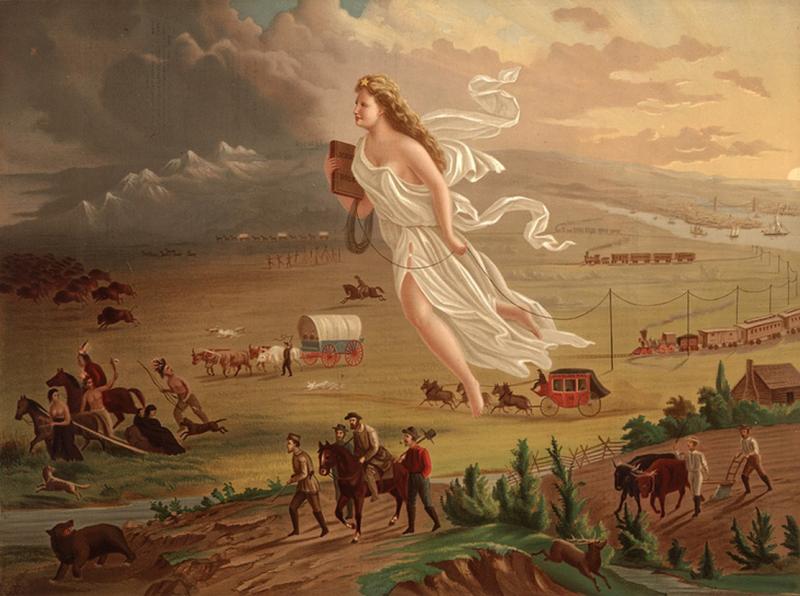
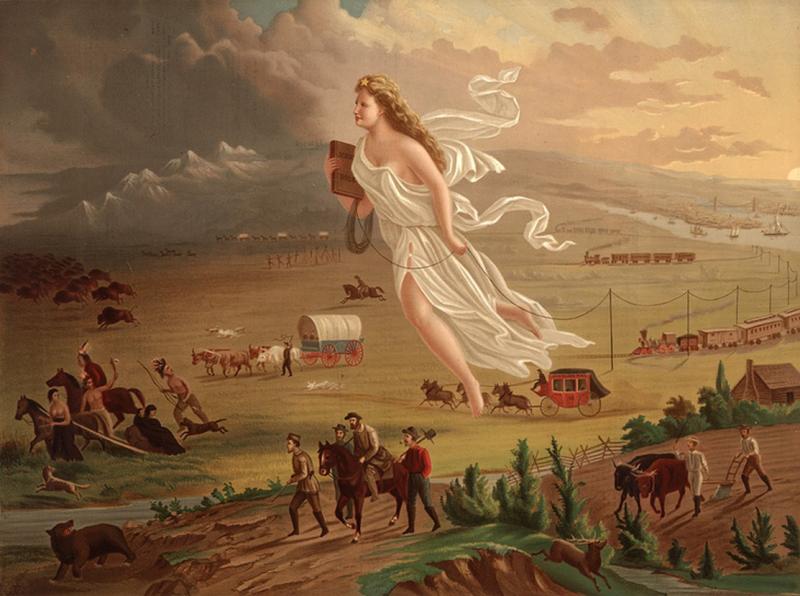
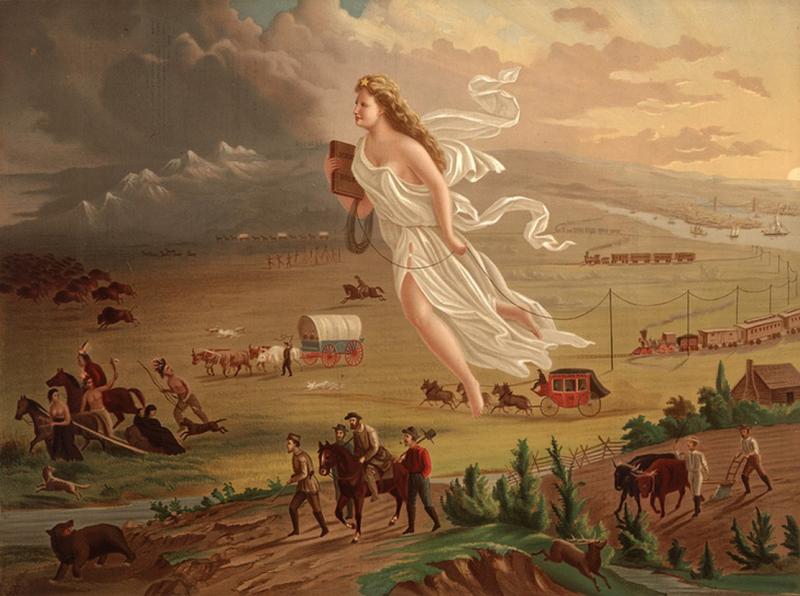
Manifest Destiny was a powerful belief in the 19th century. It held that the United States had a special mission to expand across North America. This idea shaped the nation’s growth and policies for many years. Understanding the origins of Manifest Destiny reveals why Americans felt destined to stretch their borders westward.
Early 19th Century Expansionist Ideas
In the early 1800s, many Americans believed in growth through land expansion. They thought the country needed more space for farming and settlement. The Louisiana Purchase in 1803 added vast lands and inspired dreams of more territory. Settlers moved west, driven by the hope of new opportunities.
Explorers and pioneers mapped unknown lands. Newspapers and stories spread excitement about the West. This spirit of adventure fueled the desire to claim new lands. Expansion was seen as a natural step for a young nation.
Political And Social Motivations
Politicians used expansion to gain power and support. Leaders believed new states would strengthen the country. They argued that spreading democracy and freedom was a duty. Some saw it as a way to spread American values and culture.
Socially, many Americans wanted a fresh start. The promise of land ownership attracted immigrants and settlers. Others hoped to improve their lives by moving west. These hopes and beliefs combined to form the foundation of Manifest Destiny.
Louisiana Purchase
The Louisiana Purchase stands as one of the most significant examples of Manifest Destiny in American history. This land deal in 1803 doubled the size of the United States, opening vast territories for exploration and settlement. Understanding this acquisition helps you grasp how the idea of expanding the nation shaped its future.
Acquisition And Its Impact
The Louisiana Purchase involved the U.S. buying approximately 828,000 square miles of land from France. This deal cost $15 million, a bargain for such a vast area. It gave the U.S. control over the Mississippi River and the port of New Orleans, vital for trade and transportation.
Think about how this purchase changed the country’s outlook. It wasn’t just about land; it shifted economic opportunities and political power. You can see how owning this territory set the stage for further expansion westward.
Territorial Expansion
After the purchase, the U.S. gained access to lands that would become 15 new states. This expansion supported the nation’s belief that it was destined to spread from the Atlantic to the Pacific. It encouraged settlers to move west, creating new communities and economies.
Have you ever wondered how the idea of “Manifest Destiny” influenced people’s lives at that time? The Louisiana Purchase fueled hopes for prosperity and adventure but also raised questions about the impact on Native American lands and cultures. Understanding this can help you see the complexities behind expanding a nation.
Texas Annexation
The Texas Annexation marks a key moment in the history of Manifest Destiny. It shows the strong desire of the United States to expand its land westward. The process of Texas joining the U.S. was complex and full of tension. It involved Texas winning its independence and then becoming part of the United States. This event helped shape the future borders and politics of America.
Texas Independence
Texas was once part of Mexico. Many settlers from the United States moved there. They wanted more freedom and rights. Conflicts grew between the settlers and the Mexican government. In 1836, Texas declared its independence. The Texas Revolution followed, with battles like the famous Alamo. After winning, Texas became its own country. This new republic lasted for nearly ten years.
Incorporation Into The U.s.
Many Texans wanted to join the United States. The U.S. government debated this idea for years. Concerns about slavery and war delayed the decision. In 1845, Congress approved Texas annexation. Texas officially became the 28th state. This act angered Mexico and led to the Mexican-American War. The annexation advanced the goal of Manifest Destiny by expanding U.S. territory.
Oregon Trail And Settlement
The Oregon Trail and the settlement of the Pacific Northwest stand as a clear example of Manifest Destiny in action. This historic route stretched over 2,000 miles, guiding thousands of settlers westward. The promise of fertile land and new opportunities drove families and individuals to brave harsh conditions. The journey shaped migration trends and deeply affected Native American territories.
Migration Patterns
Thousands traveled the Oregon Trail from the 1840s to the 1860s. Families moved in covered wagons, forming large groups for safety. The journey took months and tested endurance. Settlers aimed to reach Oregon’s rich farmland and establish new homes. This migration created a wave of American presence in the Northwest, fulfilling the belief in expanding the nation’s borders.
Impact On Native Lands
The arrival of settlers on the Oregon Trail greatly disrupted Native American life. Lands once used for hunting and living were claimed by newcomers. Treaties often forced tribes to give up territory. Conflicts arose as Native peoples resisted losing their homes. The settlement accelerated changes in the region’s culture and environment, marking a significant shift in control and land use.
Mexican-american War
The Mexican-American War marked a significant chapter in the story of Manifest Destiny. This conflict between the United States and Mexico reshaped the map of North America. It showed America’s desire to expand its territory westward. The war lasted from 1846 to 1848 and involved many battles and political moves. Understanding the causes, key battles, and the treaty that ended the war helps explain its impact.
Causes And Key Battles
The war began after the U.S. annexed Texas, which Mexico still claimed. Tensions rose over the border between Texas and Mexico. President James K. Polk wanted to acquire California and New Mexico. He sent troops to the disputed area, sparking conflict.
- Battle of Palo Alto:The first major battle, fought in May 1846.
- Battle of Monterrey:U.S. forces captured this key city in September 1846.
- Battle of Buena Vista:A fierce fight in February 1847, where U.S. troops held their ground.
- Siege of Veracruz:A crucial amphibious assault in March 1847.
- Battle of Chapultepec:The capture of Mexico City in September 1847, ending major combat.
Treaty Of Guadalupe Hidalgo
The war ended with the Treaty of Guadalupe Hidalgo in 1848. This treaty gave the U.S. vast new lands.
- The U.S. gained California, Nevada, Utah, and parts of several other states.
- It set the Rio Grande as the border between Texas and Mexico.
- The U.S. paid Mexico $15 million and assumed some debts.
The treaty fulfilled much of the goal of Manifest Destiny. It expanded the United States coast to coast. This expansion changed the nation’s economy, politics, and society forever.

Credit: www.reddit.com
California Gold Rush
The California Gold Rush stands as a vivid example of Manifest Destiny in action. It began in 1848 when gold was found at Sutter’s Mill. News of gold spread quickly, sparking a rush of hopeful miners and settlers. This event accelerated the population growth of California and helped shape the future of the American West. The Gold Rush symbolized the drive to expand and seize new opportunities.
Mass Migration
Thousands of people moved to California from across the United States and abroad. They traveled by land and sea, facing tough conditions along the way. The population of California grew from about 14,000 to over 300,000 in just a few years. Towns and cities sprang up almost overnight. This migration showed the strong desire for wealth and new beginnings.
Economic And Social Effects
The Gold Rush transformed California’s economy quickly. Mining became the main industry, but other businesses also grew. Merchants, farmers, and service providers found new customers. California joined the United States as a state in 1850, faster than most others. The Gold Rush also caused conflicts with Native Americans and led to environmental damage. Society became more diverse as people of many backgrounds arrived.
Transcontinental Railroad
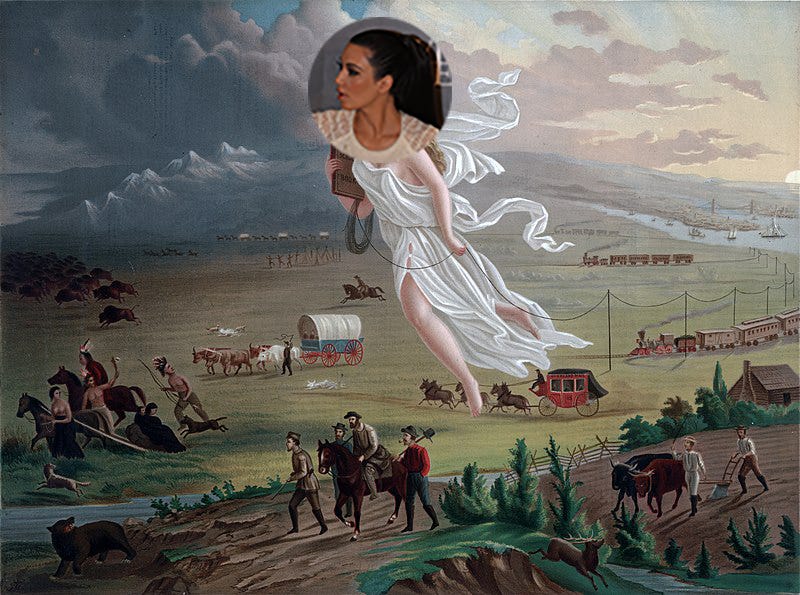
The Transcontinental Railroad stands as a vivid example of Manifest Destiny in action. This massive project linked the eastern United States with the western frontier. It helped settlers move west, boosted trade, and united the country.
Construction And Challenges
Building the railroad was a huge task. Workers faced mountains, deserts, and rivers. They used hand tools, explosives, and early machinery to carve tracks through tough land. Harsh weather made work dangerous. Many laborers were immigrants, including Chinese and Irish workers. Their hard work and courage made the railroad possible.
Connecting East And West
The railroad connected distant cities and towns. It cut travel time from months to days. Goods like crops and cattle moved faster to markets. People could settle in new areas more easily. The railroad helped create a stronger, united nation. It fulfilled the dream of expanding America from coast to coast.
Credit: muddyum.net
Legacy Of Manifest Destiny
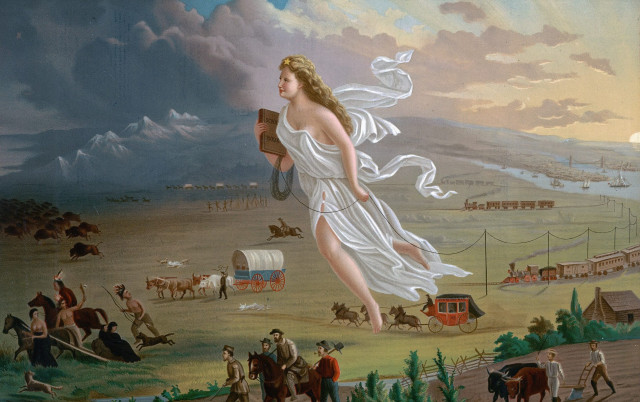
The legacy of Manifest Destiny shaped the United States in many ways. It influenced the country’s growth, culture, and politics. The idea of expanding from the Atlantic to the Pacific Ocean left a lasting mark on American history. This expansion brought new opportunities but also sparked conflicts and challenges.
Cultural Impact
Manifest Destiny changed the American culture deeply. It encouraged a spirit of adventure and exploration. Settlers moved west, bringing their customs and beliefs. This movement helped spread American ideas and values across the continent.
The expansion also affected Native American cultures. Many tribes faced disruption and loss of their lands. Their traditions and ways of life were threatened. The blend of different cultures created a unique but complex society.
Controversies And Consequences
Manifest Destiny caused serious conflicts and debates. The push for land led to wars like the Mexican-American War. These battles resulted in new territories but also loss of lives and resources.
Slavery became a heated issue. New states raised questions about whether they would allow slavery. This tension contributed to the divisions that led to the Civil War.
The policy also raised moral questions about treatment of Native Americans and Mexico. Many people criticized the forced removal and unfair deals. The consequences of Manifest Destiny still affect the nation today.
Credit: www.bunkhistory.org
Frequently Asked Questions
What Is A Clear Example Of Manifest Destiny?
The 1846 Oregon Trail expansion is a clear example. It involved U. S. settlers moving westward, claiming land. This migration fulfilled the belief in Manifest Destiny to spread across the continent.
How Did The Louisiana Purchase Relate To Manifest Destiny?
The Louisiana Purchase in 1803 doubled U. S. territory. It paved the way for westward expansion. This acquisition exemplified the early desire for Manifest Destiny.
Why Is The Annexation Of Texas Linked To Manifest Destiny?
Texas’s 1845 annexation added vast land to the U. S. It sparked the Mexican-American War, leading to more western territory. This event highlights Manifest Destiny’s goal of continental expansion.
What Role Did The Mexican-american War Play In Manifest Destiny?
The 1846-1848 war resulted in the U. S. gaining the Southwest. It solidified control over new territories like California. The war was crucial for fulfilling Manifest Destiny’s objectives.
Conclusion
Manifest Destiny shaped the growth of the United States deeply. The Louisiana Purchase is a clear example of this idea in action. It doubled the country’s size and opened new lands for settlers. This belief pushed people to move west and expand the nation’s borders.
Understanding Manifest Destiny helps explain how America grew. It shows how ideas influenced history and changed the map. This story remains important when learning about the country’s past and its early goals. Manifest Destiny left a lasting mark on America’s development and identity.

Similar Posts