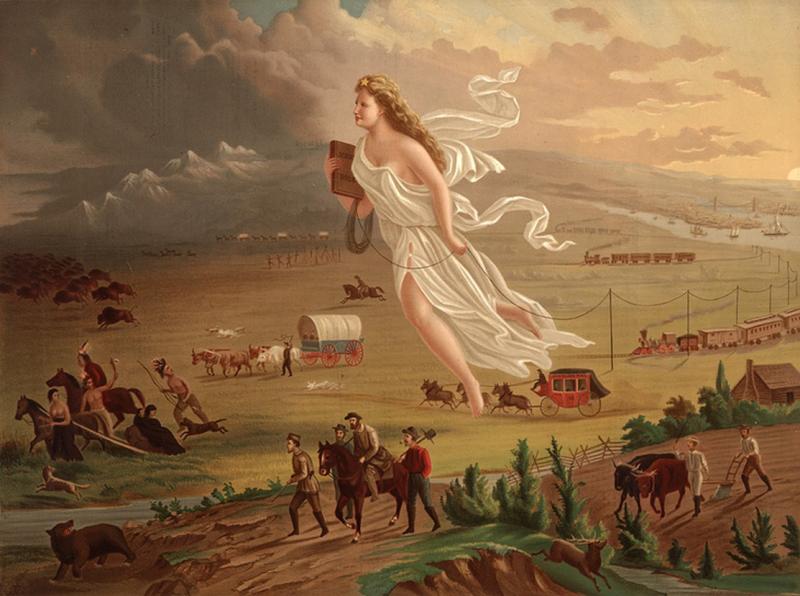
What is the Concept of Manifest Destiny: Unveiling History
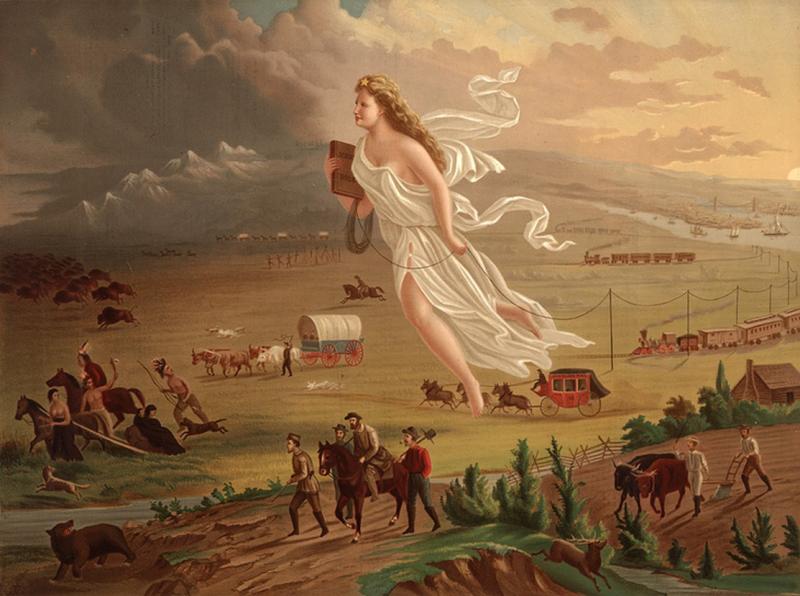
Have you ever wondered why the United States expanded so quickly across the continent in the 1800s? The answer lies in a powerful idea called Manifest Destiny.
This concept shaped the nation’s history and influenced the lives of millions. Understanding Manifest Destiny can help you see how beliefs and ambitions can change the course of a country. Keep reading to discover what Manifest Destiny really means and why it mattered so much.
Your view of American history might never be the same.
Origins Of Manifest Destiny
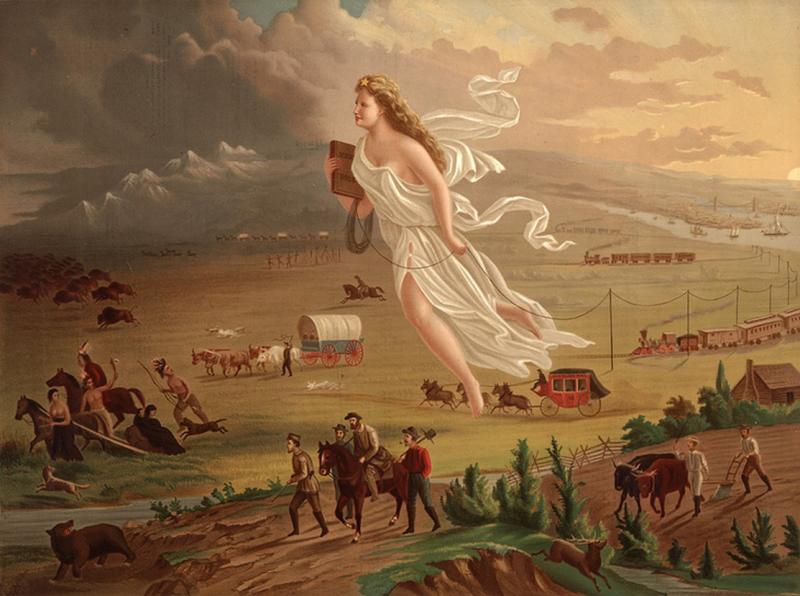
The concept of Manifest Destiny emerged in the early 19th century. It described the belief that the United States was meant to expand across North America. This idea grew from various social, political, and cultural roots. Understanding these origins helps explain why expansion became a national goal.
Early American Expansionism
Expansion ideas began soon after the United States became independent. Leaders wanted to secure land for farming and trade. The Louisiana Purchase in 1803 doubled the country’s size. Settlers moved west, seeking new opportunities and resources. This early expansion set a pattern for future growth.
Influence Of Nationalism
National pride surged after the War of 1812. Americans felt their nation was strong and destined for greatness. This pride fueled a desire to spread American values and systems. Manifest Destiny became a way to express national confidence. Many believed expanding was a patriotic duty.
Role Of Religion And Culture
Religion played a key role in shaping Manifest Destiny. Many Americans believed they had a divine mission to spread Christianity. They saw their culture as superior and meant to improve the land. This cultural belief justified expansion and often ignored native peoples’ rights.
Key Figures And Voices
The idea of Manifest Destiny shaped the United States’ growth in the 19th century. Many people helped spread and support this belief. Their roles varied from politicians to writers, all influencing the public’s view on expanding westward.
These key figures played a big part in turning Manifest Destiny into a national goal. Their voices stirred debate and action across the country.
Politicians And Leaders
Political leaders pushed for expansion through laws and speeches. President James K. Polk was a strong supporter. He believed the U.S. should stretch from the Atlantic to the Pacific.
Other politicians like Henry Clay and John C. Calhoun also influenced policies. They debated the benefits and risks of new territories. Their decisions shaped the country’s borders.
Journalists And Writers
Newspapers and magazines spread the idea of Manifest Destiny. Writers used stories and editorials to excite readers. John L. O’Sullivan, a journalist, coined the term “Manifest Destiny” in 1845.
These writers painted the west as a land of opportunity. They encouraged settlers to move and claim new lands. Their words made expansion seem both natural and necessary.
Public Opinion And Support
Many Americans believed in the country’s right to expand. Citizens saw the west as a chance for a better life. Farmers, miners, and traders moved to new territories eagerly.
Support grew through rallies and community discussions. Manifest Destiny became a shared dream for many. This popular backing gave leaders the power to act.
Major Events And Impact
The concept of Manifest Destiny shaped the United States in powerful ways. It drove major events that expanded the nation’s borders and influenced its culture and politics deeply. Understanding these events helps you see how the idea of destiny translated into actions with lasting effects.
Westward Expansion And Territories
Manifest Destiny fueled a strong push to settle lands west of the Mississippi River. Settlers moved rapidly into new territories, seeking opportunity and land ownership.
This expansion led to the creation of new states like California, Oregon, and Texas. These areas brought resources and economic growth but also raised questions about slavery and governance.
Have you ever considered how your own family history might connect to this movement west? Many Americans today have ancestors who took part in this journey.
Mexican-american War
The Mexican-American War was a direct result of Manifest Destiny ambitions. The U.S. aimed to acquire vast territories in the southwest, which led to conflict with Mexico.
After the war ended in 1848 with the Treaty of Guadalupe Hidalgo, the U.S. gained large areas including California, Arizona, and New Mexico. This reshaped the map and the balance of power in North America.
Think about the impact war has on nations’ borders and people’s lives—how different would your life be if borders shifted in your region?
Effects On Native Americans
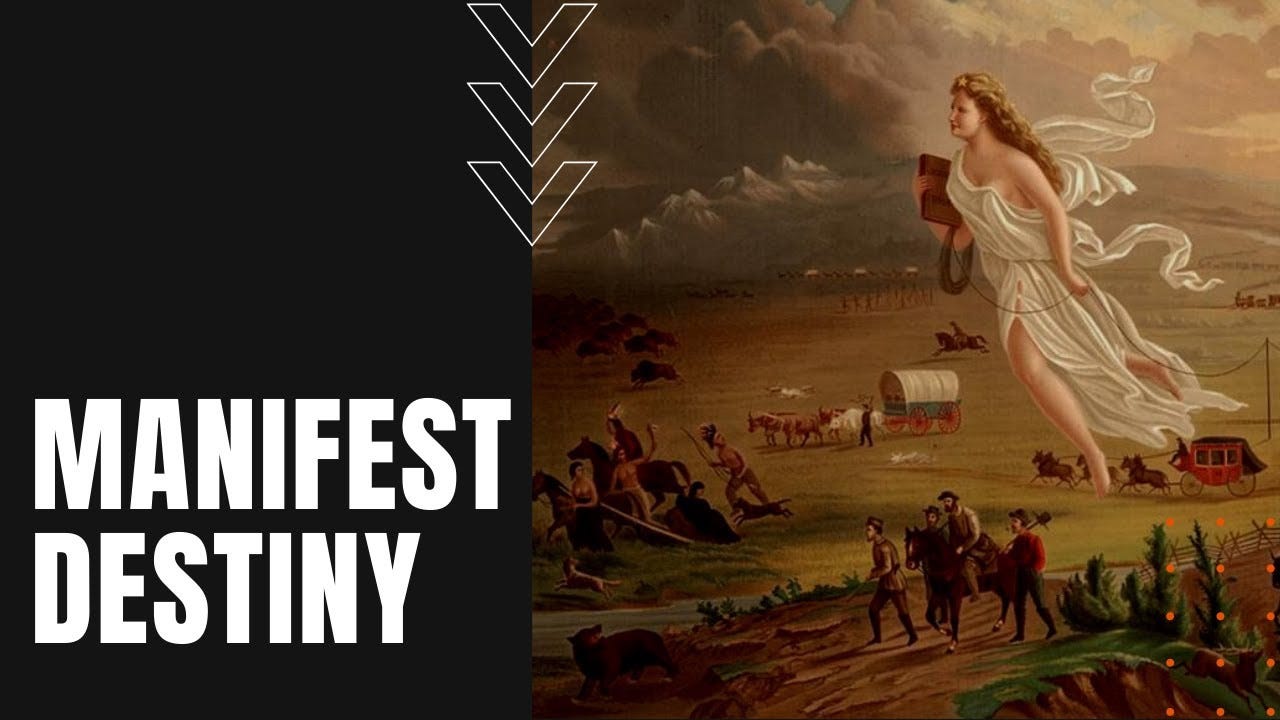
Manifest Destiny’s push westward had devastating effects on Native American communities. As settlers claimed land, Native Americans were often forced off their ancestral territories.
This displacement led to loss of culture, resources, and autonomy for many tribes. The consequences still affect Native populations today.
What responsibility do you think current generations have in acknowledging and addressing these historical injustices?
Credit: pastorbhart.medium.com
Economic And Political Motivations
The idea of Manifest Destiny was driven by strong economic and political reasons. Americans believed they had the right to expand across the continent. This belief was not just about land but also about power and wealth. Understanding these motivations reveals why the country pushed westward so aggressively.
Land And Resources
Access to land was a major economic driver behind Manifest Destiny. Settlers wanted fertile soil for farming and open spaces for ranching. Many believed the West held valuable resources like gold, timber, and minerals. New land meant opportunities for businesses and settlers to grow wealth. The government supported expansion to boost the nation’s economy and create new markets.
Slavery And Sectionalism
The expansion raised questions about slavery in new territories. The South wanted to spread slavery to maintain political power. The North opposed slavery’s spread, leading to growing tensions. Manifest Destiny intensified these conflicts, deepening the divide between the regions. Decisions about slavery shaped political debates and affected national unity.
International Relations
Expanding the nation affected relations with other countries. The United States aimed to reduce European influence in North America. Gaining control of land from Mexico and Britain strengthened U.S. power. Expansion was a way to assert dominance in the Western Hemisphere. It also involved negotiating treaties and sometimes conflict with foreign powers.
Criticism And Controversies
The idea of Manifest Destiny was never without its critics and controversies. While it inspired many Americans to believe in the nation’s expansion as a divine right, it also raised serious questions about justice, ethics, and human rights. Understanding these criticisms helps you see the full picture beyond the slogans and patriotism.
Opposition Movements
Not everyone supported Manifest Destiny. Various groups actively opposed the westward expansion for different reasons.
- Native Americans:They resisted the loss of their lands and culture as settlers pushed westward.
- Some Northern abolitionists:Feared new territories would expand slavery, threatening the balance between free and slave states.
- Political opponents:Questioned whether the government had the right to annex large territories without consent from the people living there.
Have you ever wondered how these opposing voices might have changed history if they had been louder or more united?
Ethical And Moral Debates
The push for expansion sparked intense ethical debates. Many questioned the morality of taking land by force or through treaties that were often unfair.
Was it just to displace entire communities just to fulfill a vision of national greatness? You might find yourself wrestling with this question when you consider the human cost involved.
Additionally, the idea that one culture was superior and had the right to dominate others reflects a dangerous mindset that had long-term effects on race relations and justice.
Long-term Consequences
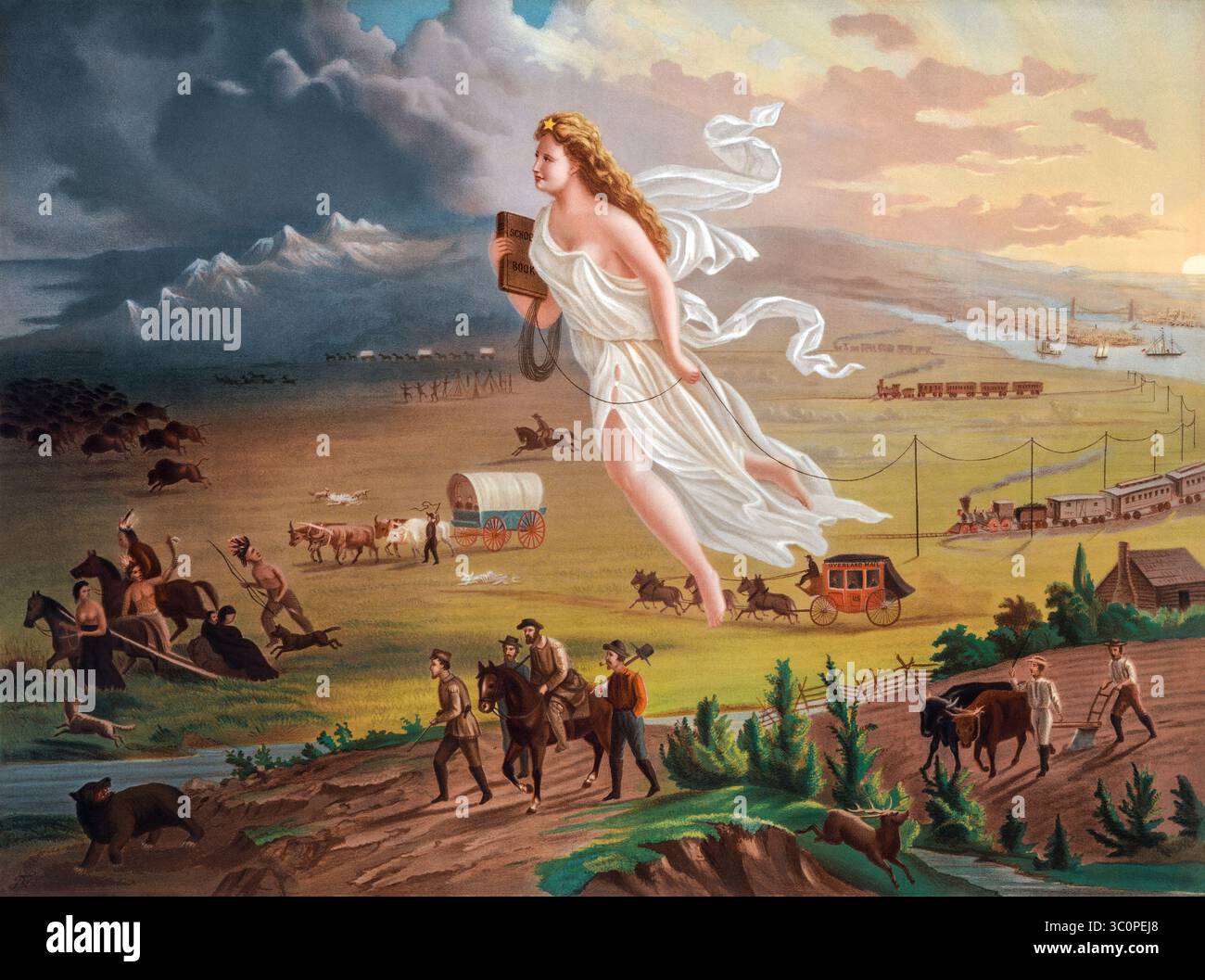
The consequences of Manifest Destiny still echo today. The forced removal of Native Americans led to lasting trauma and cultural loss.
Expansion also intensified conflicts over slavery, which contributed to the Civil War. These events shaped America’s political and social landscape for generations.
When you think about your own community, do you see traces of these historical actions in how different groups relate to each other? Understanding this can help you engage more thoughtfully with present-day issues.
Credit: www.alamy.com
Legacy Of Manifest Destiny
The legacy of Manifest Destiny stretches far beyond the 19th century. It shaped the borders, culture, and identity of the United States. Understanding this legacy helps us see how past ideas influence today’s America.
Shaping Modern America
Manifest Destiny expanded the U.S. from coast to coast. It set the stage for a powerful, diverse nation. The idea promoted growth in cities, industries, and transportation. Many states owe their place on the map to this expansion.
New lands meant new resources and opportunities. This helped the economy grow fast. Railroads and trade routes connected people and places like never before. These changes built the foundation of modern America’s strength.
Cultural Reflections
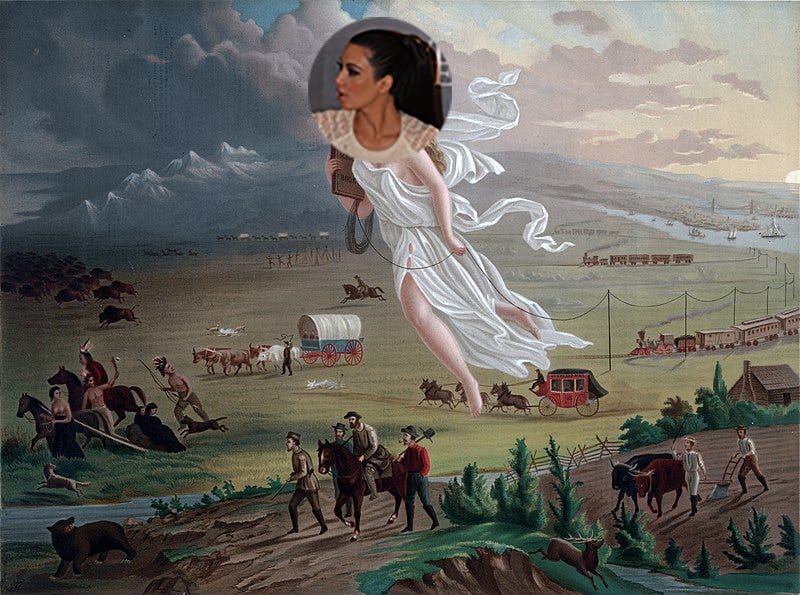
Manifest Destiny influenced American culture deeply. It fueled a belief in progress and destiny. Stories, art, and music often show themes of exploration and adventure. This spirit of pushing boundaries remains part of the national character.
But the legacy also includes pain and conflict. Native American communities faced loss and displacement. Understanding both sides gives a fuller picture of American history and identity.
Lessons For Today
Manifest Destiny teaches important lessons about ambition and consequences. It reminds us to think about how actions affect others. Respect for different cultures and lands is crucial. Growth should come with care and fairness.
Today’s leaders and citizens can learn from this history. Balance between expansion and preservation is key. The past guides us to build a future that honors all people and places.
Credit: muddyum.net
Frequently Asked Questions
What Is Manifest Destiny In American History?
Manifest Destiny was a 19th-century belief that the U. S. should expand across North America. It justified territorial growth and shaped U. S. policies.
Why Was Manifest Destiny Important For The U.s.?
It fueled westward expansion, increased land, and economic opportunities. It also helped spread American culture and democracy.
How Did Manifest Destiny Affect Native Americans?
It led to displacement, loss of land, and conflicts. Native communities faced significant hardships due to U. S. expansion.
Who Coined The Term Manifest Destiny?
The term was coined by journalist John L. O’Sullivan in 1845. He used it to promote U. S. annexation of Texas.
Conclusion
Manifest Destiny shaped America’s growth and history deeply. It pushed settlers westward with strong belief and hope. This idea affected land, people, and politics in many ways. Some saw it as a chance for freedom and new life. Others faced challenges and loss because of expansion.
Understanding Manifest Destiny helps us learn from the past. It shows how ideas can change a nation’s path. The story of Manifest Destiny remains important today. It reminds us about dreams, conflicts, and the cost of progress.

Similar Posts