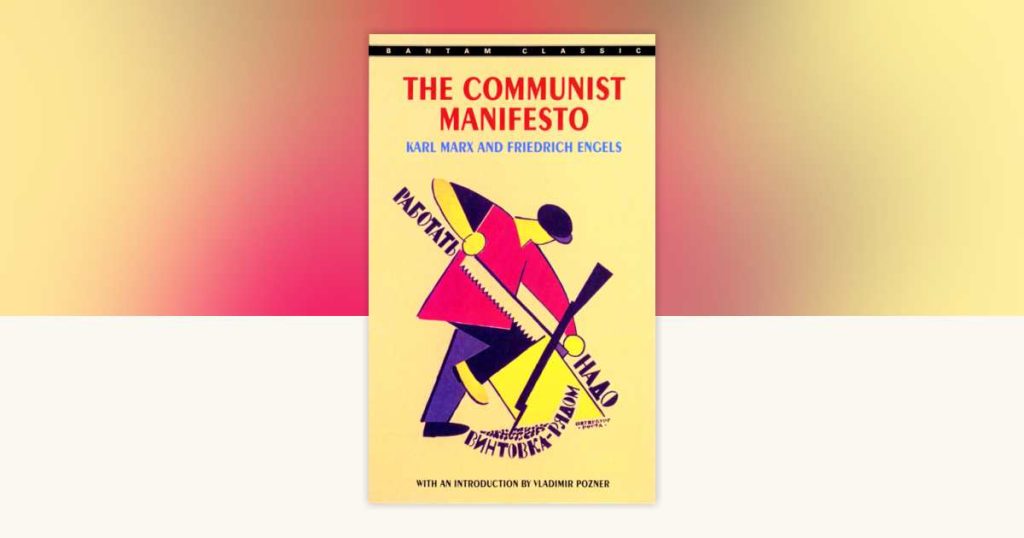
Have you ever wondered when the Communist Manifesto first appeared and why it still sparks debates today? Knowing the exact time this powerful political pamphlet was released can change the way you see history and society.
You’ll discover the moment that shaped ideas about class, economy, and power—ideas that continue to influence the world. Keep reading to uncover the story behind the Communist Manifesto’s debut and why it matters to you now.
Origins Of The Communist Manifesto
The Communist Manifesto stands as a key text in political history. It laid out ideas about class struggle and social change. Its origins trace back to a specific time and place.
The manifesto was created through the collaboration of two thinkers. Their work responded to the social and economic conditions of their era.
Background Of Marx And Engels
Karl Marx and Friedrich Engels were close friends and thinkers. Marx focused on philosophy and economics. Engels brought experience from business and politics.
Both shared a strong belief in equality. They wanted to challenge the existing social order. Their combined ideas formed the basis for the manifesto.
Political Climate Of The 1840s
The 1840s were a time of change and unrest in Europe. Industrialization caused many social problems. Workers faced poor conditions and low wages.
Political revolutions and uprisings spread across many countries. Ideas about democracy and workers’ rights grew stronger. This tense atmosphere inspired Marx and Engels.
Credit: www.haymarketbooks.org
Publication Date And Initial Release
The publication date and initial release of the Communist Manifesto mark a key moment in political history. This short pamphlet introduced ideas that influenced many movements worldwide. Understanding its exact publication date and how it first reached readers adds depth to its story.
Written by Karl Marx and Friedrich Engels, the manifesto aimed to spread their message quickly. The timing and method of its release helped shape its early impact.
Exact Date Of Publication
The Communist Manifesto was published on February 21, 1848. This date is precise and well-documented in historical records. It came out during a period of political unrest across Europe. The timing was crucial, as many countries faced revolutions and social changes. This context helped the manifesto gain attention fast.
First Editions And Distribution
The first edition was printed in London by the Workers’ Educational Association. It was a small pamphlet, only about 23 pages long. The initial print run was limited but quickly spread through Europe.
- Distributed mainly among workers and political groups
- Translated into several languages soon after publication
- Used as a rallying point for revolutionary ideas
Copies circulated quietly at first, then gained momentum as events unfolded. The manifesto’s clear language helped readers understand complex ideas quickly. This wide distribution helped it become a cornerstone document for socialist movements.
Key Themes In The Manifesto
The Communist Manifesto outlines powerful ideas that shaped modern politics. It focuses on social and economic issues that affect many people. The key themes explain the struggle between different classes, the problems of capitalism, and the need for change. Understanding these themes helps grasp the core message of the manifesto.
Class Struggle And History
The manifesto shows history as a series of class struggles. Society divides into groups with different interests. The ruling class controls wealth and power. The working class provides labor but lacks control. This conflict drives change and shapes society’s future.
Critique Of Capitalism
The manifesto criticizes capitalism for causing inequality. It argues capitalism exploits workers to create profit. Wealth concentrates in the hands of a few. Workers face poor conditions and low wages. The system creates instability and social problems.
Call For Proletarian Revolution
The manifesto urges workers to unite and fight for change. It calls for the overthrow of the ruling class. The goal is to create a society without class divisions. Workers must take control of production and wealth. This revolution aims to build equality and justice for all.
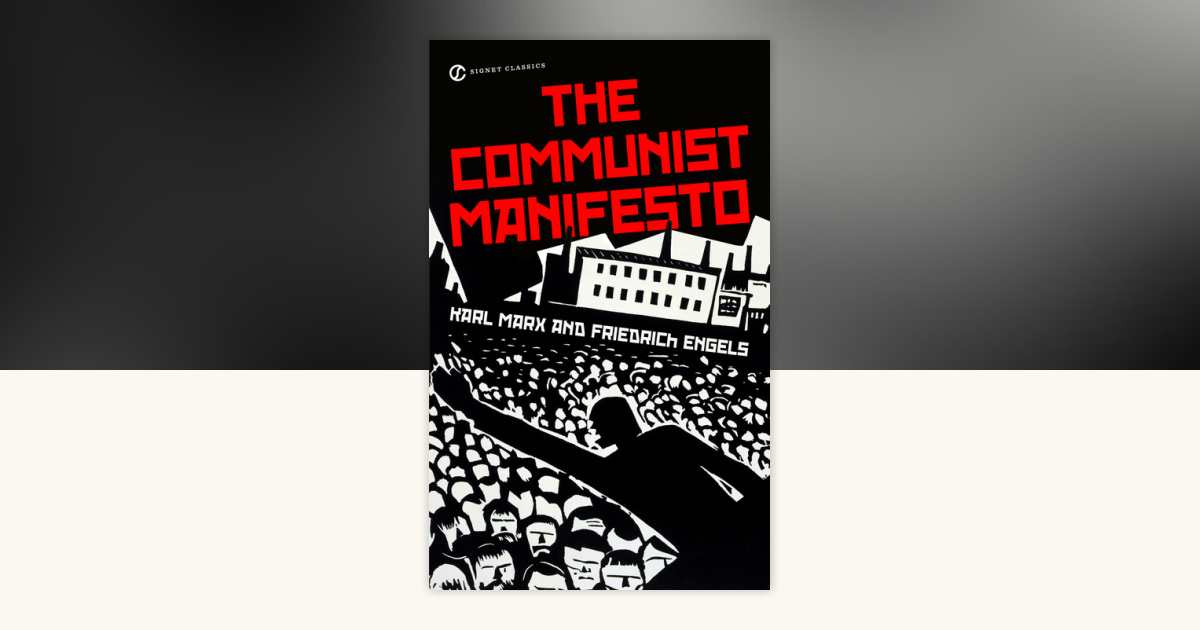
Credit: www.penguinrandomhouse.com
Immediate Impact And Reception
The Communist Manifesto, published in 1848, struck a chord immediately. It arrived at a time of social unrest and political upheaval across Europe. The ideas within challenged existing power structures and sparked intense debate.
Reactions In Europe
Across Europe, responses to the Manifesto were sharply divided. Some saw it as a call to arms for the working class, while others viewed it as a dangerous threat to the established order.
Governments reacted quickly, often banning the text and monitoring its authors. Yet, the Manifesto still circulated widely, fueling discussions in cafés, factories, and political meetings.
Have you ever felt the power of a single book to shake up your community? The Manifesto did exactly that, pushing people to rethink their roles in society.
Influence On Political Movements
The Manifesto’s ideas spread rapidly among emerging socialist and labor groups. It gave these movements a clear framework and language to express their goals.
Its impact was visible in the revolutions of 1848, where workers and peasants demanded rights and reforms. The document became a symbol of solidarity and resistance.
Even today, many political parties and activists trace their roots back to the ideals first laid out in this text. What lessons could you take from its immediate impact to inspire change in your own environment?
Legacy Through The Years
The Communist Manifestohas left a mark that extends far beyond its initial publication in 1848. Its ideas sparked debates, inspired movements, and challenged the way societies think about class and power. Understanding its legacy helps you see how this short pamphlet influenced history and continues to shape discussions today.
Role In Later Socialist Movements
The manifesto became a foundation for many socialist and communist movements around the world. Leaders like Lenin and Mao drew directly from its ideas to guide their revolutions.
It also influenced labor unions and social reformers who fought for workers’ rights and better living conditions. You might wonder how a 19th-century text still motivates protests and political parties today.
Its call for class struggle and the abolition of private property challenged existing power structures, making it a rallying point for those seeking change. This influence shows how powerful written ideas can be in shaping real-world actions.
Modern Interpretations
Today, the Communist Manifesto is read in new ways. Some see it as a historical document that explains how capitalism developed and its flaws.
Others use it to critique modern inequalities, asking whether its warnings about wealth concentration still apply. You might ask yourself if its vision for society matches the challenges we face now.
Interestingly, some scholars argue that the manifesto’s ideas can help rethink economic systems beyond capitalism and socialism. This ongoing dialogue highlights how the manifesto remains relevant, encouraging you to reflect on your own views about fairness and justice.
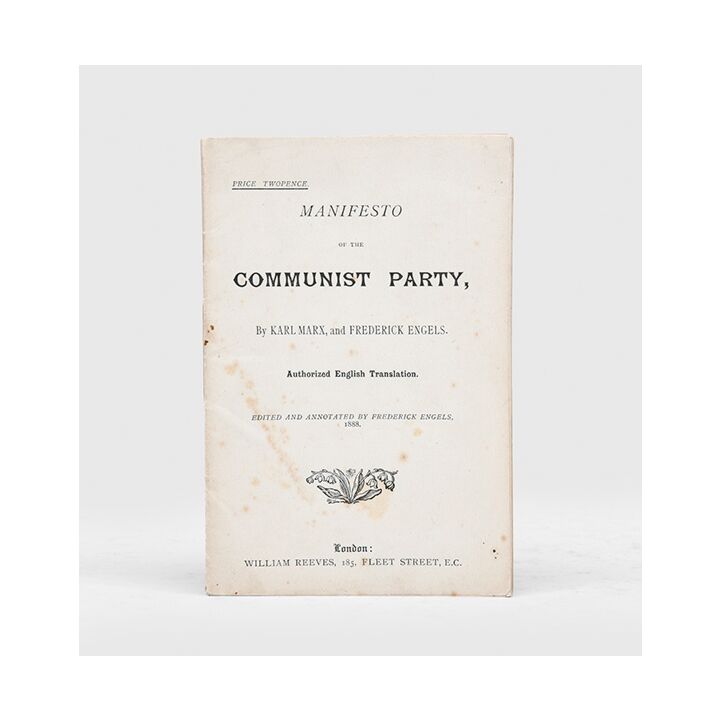
Credit: www.peterharrington.co.uk
Frequently Asked Questions
When Was The Communist Manifesto First Published?
The Communist Manifesto was first published in February 1848. It was written by Karl Marx and Friedrich Engels. The manifesto outlined the principles of communism and called for the working class to rise against capitalism.
Who Authored The Communist Manifesto And When?
Karl Marx and Friedrich Engels co-authored the Communist Manifesto. They completed it in late 1847. The manifesto was officially published in February 1848, marking a key moment in political history.
Why Is The 1848 Publication Date Important?
The 1848 publication coincided with widespread European revolutions. The manifesto inspired many political movements and social reforms. Its release triggered debates on class struggle and capitalism’s future worldwide.
What Impact Did The Communist Manifesto Have After Release?
The manifesto significantly influenced socialist and communist movements globally. It shaped political ideologies and inspired revolutions. Its ideas remain relevant in discussions about economic inequality and class conflict.
Conclusion
The Communist Manifesto was first published in 1848. It shaped political ideas worldwide since then. Many people still study its impact today. Understanding its origin helps explain modern history better. The manifesto sparked debates on class and society. It remains a key text in politics and economics.
History shows how ideas can change the world. Knowing this helps us learn from the past. The Communist Manifesto’s release marked a turning point. Its influence continues in many countries and cultures.