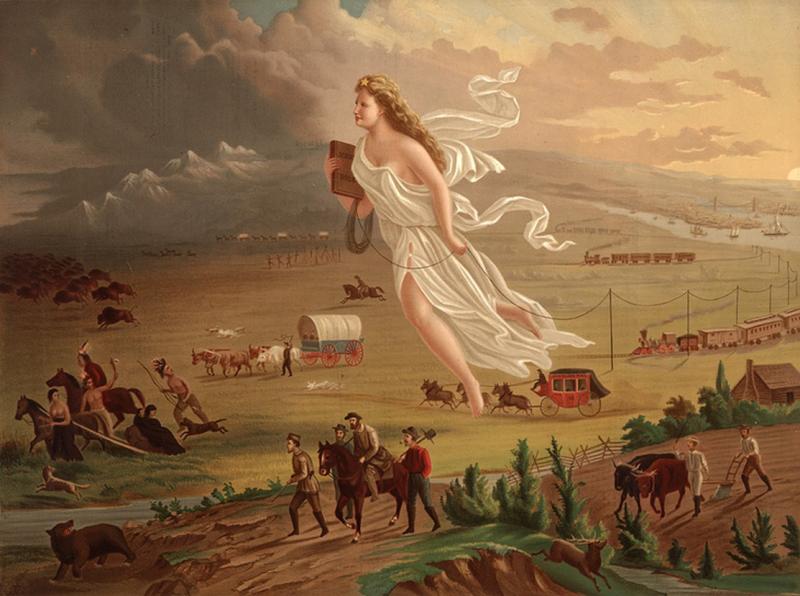
Have you ever wondered how a big idea like Manifest Destiny changed the lives of farmers? This powerful belief pushed people to expand westward across America.
But what did that mean for the farmers who worked the land? How did it shape your ancestors’ lives or even the farming world today? Keep reading to discover how Manifest Destiny affected farmers in ways you might not expect—and why it still matters to you.

Credit: www.thesunmagazine.org
Expansion And Land Acquisition
The drive for expansion and land acquisition under Manifest Destiny reshaped the lives of farmers across the United States. It opened vast new territories for farming but also brought challenges that tested their resilience. Understanding this dynamic helps you see how the promise of land influenced migration and settlement patterns.
Homestead Act And Land Grants
The Homestead Act of 1862 was a game changer for farmers. It allowed anyone willing to live on and improve 160 acres of public land to claim ownership after five years. This law made land accessible to many who previously couldn’t afford it.
Land grants also played a crucial role. Railroads received millions of acres, encouraging them to sell cheap land to settlers. This helped farmers reach new markets and transport their crops more efficiently.
Have you ever thought about how your great-grandparents might have acquired their land? Many families owe their roots to these policies, which directly affected farming opportunities.
Settlement Patterns And Migration
Farmers moved west in waves, drawn by the promise of free or cheap land. Settlements often sprang up along railroad lines, creating clusters of farming communities. These patterns shaped the social and economic life of the frontier.
However, migration wasn’t always smooth. Harsh weather, isolation, and conflicts with Native Americans presented serious obstacles. Yet, many farmers adapted by forming cooperatives or sharing resources.
Think about your own community—how might its location be tied to these historic migrations and land policies? Your surroundings are part of a larger story of expansion and determination.

Credit: aspenjournalism.org
Economic Opportunities For Farmers
Manifest Destiny opened many doors for farmers in the 19th century. It expanded the land available for farming and created new chances to earn money. Farmers found new ways to sell their crops and improve their methods. These changes helped farming grow stronger and more productive.
Access To New Markets
As settlers moved west, new towns and cities grew quickly. Farmers could sell their goods to more people than before. Railroads made it easier to send crops to faraway places. This meant farmers earned more money and could plan for future growth.
Markets were no longer limited to local areas. Farmers reached buyers across the country. This helped stabilize prices and gave farmers more confidence. They could now grow crops knowing there was a demand elsewhere.
Agricultural Innovation And Growth
New lands pushed farmers to try better tools and techniques. They used stronger plows and better seed varieties. These tools helped farm bigger areas faster. Crop yields increased, providing more food and income.
Farmers also learned new methods to manage soil and water. These practices made farming more sustainable. The growth in farming technology encouraged more people to take up farming as a career.
Challenges Faced By Farmers
Farmers during the era of Manifest Destiny faced many tough challenges. Expanding into new lands was not easy. They had to deal with nature and social conflicts that tested their resolve. These hardships shaped the farming experience and the growth of the American frontier.
Harsh Environmental Conditions
Farmers encountered extreme weather that damaged crops. Summers could be very hot and dry. Winters often brought heavy snow and freezing temperatures. Soil quality varied and was sometimes poor for farming. Droughts and floods also caused crop failures and food shortages. These conditions made farming risky and unpredictable.
Conflict With Native Americans
As settlers moved west, they entered lands used by Native Americans. This led to tensions and sometimes violent clashes. Native tribes fought to protect their homes and resources. Farmers had to defend their property from raids and attacks. These conflicts created fear and uncertainty in farming communities. Peace was hard to maintain during these struggles.
Impact On Farming Communities
The expansion of Manifest Destiny transformed farming communities across America. It reshaped how farmers lived, worked, and connected with each other. New opportunities arose, but challenges followed. Farming communities grew rapidly, creating new social and economic patterns.
Formation Of Rural Towns
Farmers settled vast lands, leading to the rise of rural towns. These towns became centers for trade and social life. They offered essential services like markets, schools, and churches. Roads and railroads often linked these towns, boosting local economies. Towns helped farmers sell crops and buy tools more easily.
Social And Political Changes
Farming communities developed strong social bonds and local governments. Farmers joined groups to protect their interests and share knowledge. These groups influenced political decisions affecting land and farming laws. The push for better transportation and fair prices grew stronger. Communities often worked together to face challenges like droughts or market shifts.
Long-term Effects On Agriculture
The long-term effects of Manifest Destiny on agriculture reshaped the way farmers worked the land and what they grew. As new territories opened up, the agricultural landscape changed significantly, influencing farming practices for generations. These shifts still affect how you might think about farming and land use today.
Shift In Crop Production
Farmers moved westward and found new soil and climates to work with. This led to changes in what crops were planted. Wheat and corn became staples in the Great Plains, replacing the cotton and tobacco common in the South.
These new crops suited the environment better and supported the growing populations in cities. Did you know that this shift also encouraged the development of new farming tools and techniques? It pushed farmers to adapt quickly or risk losing their livelihoods.
Legacy Of Land Ownership
The promise of free or cheap land attracted many settlers, but owning land came with challenges. Over time, large landowners and corporations began to dominate, often pushing out smaller farmers. This created a lasting divide in land ownership that you can still see in rural areas today.
Land ownership also tied farmers more closely to market demands and government policies. How you manage or acquire land now has roots in these historical land distribution patterns. Understanding this legacy can help you navigate current agricultural opportunities and challenges more effectively.

Credit: www.albert.io
Frequently Asked Questions
How Did Manifest Destiny Expand Farmland For Farmers?
Manifest Destiny encouraged westward expansion, opening vast lands for farming. It allowed settlers to claim fertile soil and start new farms, boosting agricultural growth and opportunities for farmers.
What Challenges Did Farmers Face During Manifest Destiny?
Farmers encountered harsh weather, difficult terrain, and conflicts with Native Americans. Limited resources and isolation made farming tough but fostered resilience and innovation.
How Did Manifest Destiny Impact Farmers’ Economic Opportunities?
The expansion created new markets and trade routes. Farmers gained access to more land and resources, increasing crop production and income potential.
Did Manifest Destiny Change Farming Technology Or Methods?
Yes, farmers adopted new tools and techniques to cultivate larger lands. Innovations like the steel plow helped manage tough soil and improve productivity.
Conclusion
Manifest Destiny changed farmers’ lives in many ways. It gave them more land to grow crops and raise animals. Farmers faced new challenges like tough weather and conflicts with Native Americans. The expansion also helped create new markets for their goods.
Many families moved west to find better opportunities. The growth of farms shaped the economy and culture of the country. Farmers played a big role in America’s growth during this time. This period shows how land and hope drove many to work hard and dream big.