How Did Manifest Destiny Shape America’s Westward Push?
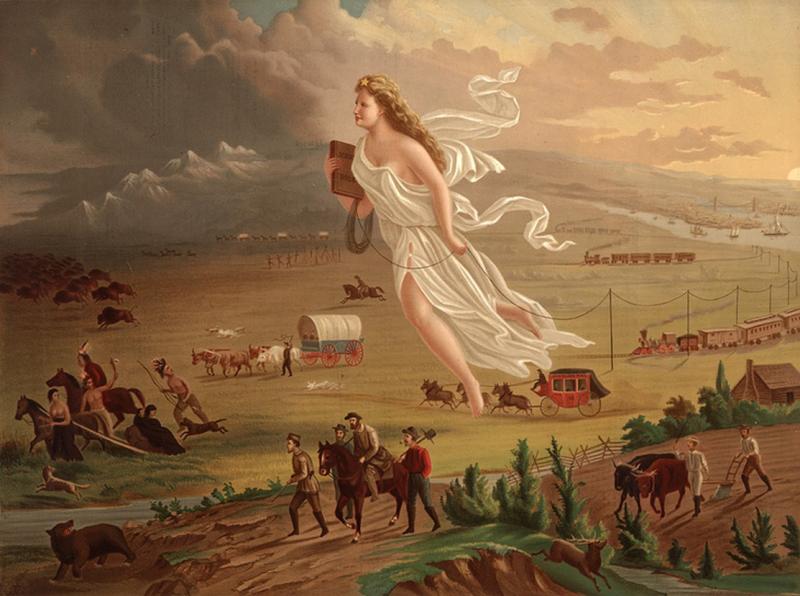
Have you ever wondered why so many people moved west in America’s past? The idea of Manifest Destiny played a huge role in shaping that movement.
It wasn’t just about finding new land—it was about a belief that the country was meant to stretch from coast to coast. This powerful idea changed lives, sparked conflicts, and shaped the nation you know today. Keep reading to discover how Manifest Destiny influenced westward expansion and why it still matters to your understanding of American history.

Credit: www.albert.io
Origins Of Manifest Destiny
The origins of Manifest Destiny trace back to the early 19th century. This idea shaped how many Americans viewed their future. It inspired a strong belief in expanding the nation’s borders. Manifest Destiny was not just about land. It was about a mission to spread American values and culture.
Early American Expansion Ideas
Before Manifest Destiny, Americans already wanted to grow their land. The Louisiana Purchase in 1803 doubled the country’s size. Settlers moved west to find new opportunities. The idea of owning land was very strong. People believed more land meant more power and wealth.
Political And Social Motivations
Leaders saw expansion as a way to strengthen the nation. They wanted more resources and trade routes. New states could add political power to the Union. Socially, many Americans hoped to improve their lives. Moving west offered a fresh start and new chances.
Role Of Nationalism And Religion
National pride fueled the push westward. Americans believed their country was special and chosen. Religion played a big part in this belief. Many thought God supported their mission to expand. This mix of faith and pride made expansion feel like a duty.
Territorial Growth And Acquisitions
Territorial growth and acquisitions played a crucial role in the westward expansion of the United States. Driven by the belief in Manifest Destiny, Americans sought to extend the nation’s boundaries across the continent. This expansion involved key land deals, conflicts, and migration routes that shaped the country’s map and future.
Each major acquisition brought new opportunities and challenges. These events encouraged settlers to move west and helped establish the United States as a continental power. Below are some important moments in this territorial growth.
Louisiana Purchase Impact
The Louisiana Purchase doubled the size of the United States in 1803. It added vast lands west of the Mississippi River. This acquisition opened new farming and trading opportunities. It also removed France as a colonial power in the region.
The purchase laid the foundation for future expansion. It encouraged exploration and settlement into the newly acquired territory. The Mississippi River became a vital trade route, linking the interior to the Gulf of Mexico.
Texas Annexation And The Mexican-american War
Texas joined the United States in 1845 after gaining independence from Mexico. This annexation angered Mexico and led to the Mexican-American War. The war ended in 1848 with the Treaty of Guadalupe Hidalgo.
As a result, the U.S. gained a large area called the Mexican Cession. This land included present-day California, Arizona, and New Mexico. Texas annexation and the war significantly expanded U.S. territory.
Oregon Trail And Northern Expansion
The Oregon Trail was a key migration route to the northwest. Thousands of settlers traveled this path in the 1840s and 1850s. The journey helped the U.S. claim the Oregon Territory, which was shared with Britain.
By 1846, the Oregon Treaty set the northern boundary at the 49th parallel. This peaceful agreement expanded U.S. land without war. The trail also helped develop towns and farms along the way.
California Gold Rush Influence
The California Gold Rush began in 1848 and drew people worldwide. This sudden population boom helped California quickly grow and join the U.S. as a state. The rush boosted the economy and sped up westward migration.
It also led to the development of infrastructure like roads and ports. The Gold Rush made California a key part of the nation’s expansion story.
Effects On Native American Communities
Manifest Destiny greatly impacted Native American communities during westward expansion. It led to major changes in their lives, lands, and cultures. Native Americans faced many hardships as settlers moved west. Their traditional ways were disrupted, and their survival was threatened.
Displacement And Forced Relocation
Native Americans were pushed off their ancestral lands. The U.S. government forced many tribes to move west of the Mississippi River. This removal caused suffering and death for thousands. The Trail of Tears is a well-known example of this forced relocation.
Displacement broke community bonds and separated people from sacred places. It also meant losing access to hunting grounds and resources vital for their survival.
Conflicts And Treaties
As settlers expanded, conflicts erupted between Native Americans and newcomers. Many battles and violent clashes occurred. The U.S. government signed treaties with tribes to gain land. Often, these treaties were unfair or broken later.
These agreements usually forced tribes to give up large areas of land. The treaties created tension and mistrust between Native Americans and the government.
Cultural And Societal Changes
Westward expansion disrupted Native American culture and social structures. Many children were sent to boarding schools to learn English and American customs. Traditional languages, beliefs, and practices were often discouraged.
Communities struggled to maintain their heritage under pressure to assimilate. The loss of land and freedom deeply affected their way of life and identity.

Credit: www.youtube.com
Economic Drivers Of Westward Movement
The economic drivers behind the westward movement during the era of Manifest Destiny were powerful motivators for many Americans. They offered new chances to improve lives through land, jobs, and resources. These opportunities didn’t just shape individual futures but transformed the nation’s economy and landscape.
Agriculture And Land Opportunities
Access to vast tracts of fertile land pulled farmers and families westward. The promise of owning land outright, often at low cost or through government programs like the Homestead Act, made the dream of self-sufficiency real for many. If you’ve ever wanted to start fresh or build something of your own, imagine how irresistible this was.
Many settlers believed that farming the land would secure financial stability. The expansion of agriculture also encouraged small towns and markets to grow, creating local economies. What would you do if you had acres of untouched soil waiting for your care?
Railroad Expansion
The building of railroads was a game-changer for westward expansion. Railroads connected distant places, making travel faster and transporting goods cheaper and easier. This infrastructure opened up markets for farmers and businesses, turning remote areas into thriving communities.
Rail companies often received land grants, which they sold to settlers, fueling further migration. You might not realize it, but the railroads were the backbone that supported many dreams of prosperity and growth. How different would your life be if a railroad ran right through your hometown?
Mining And Resource Extraction
Gold, silver, and other minerals sparked sudden rushes to the West. Mining towns appeared almost overnight, offering quick wealth to those willing to work hard and take risks. These resources attracted not just miners but also merchants, craftsmen, and families looking to build new lives.
The extraction of natural resources fueled industries back East and created jobs that supported the growing economy. If you think about it, the lure of striking it rich wasn’t just about money—it was about seizing new chances. Would you have taken the risk to mine in unknown territory?
Political Consequences Of Expansion
The westward expansion driven by Manifest Destiny reshaped America’s political landscape in profound ways. It wasn’t just about gaining land; it stirred debates, challenged governance, and shifted international relations. Understanding these political consequences helps you see how expansion shaped the nation’s future beyond the map.
Slavery Debate And Sectional Tensions
Adding vast new territories raised a pressing question: would these lands allow slavery? This fueled intense arguments between the North and South, each fearing a shift in power balance. You might find it surprising how these debates pushed the country closer to division, eventually leading to the Civil War.
The Missouri Compromise and later the Kansas-Nebraska Act were attempts to handle these tensions but often made things worse. These laws tried to decide whether new states would be free or slave states, stirring violence and unrest in places like “Bleeding Kansas.” This period shows how expansion wasn’t just about land—it forced the nation to confront its deepest moral and political conflicts.
Statehood And Governance Challenges
Turning new territories into states wasn’t straightforward. You had to establish governments, create legal systems, and decide representation—all while dealing with diverse populations and local interests. This process often led to disputes about how new states should fit into the Union.
For example, California’s rapid population growth during the Gold Rush pushed it to statehood quicker than expected, challenging the existing balance. These challenges reveal how expansion tested American democracy in practical ways, demanding quick political solutions that affected everyone.
Impact On U.s. Foreign Relations
Westward expansion also changed how the U.S. interacted with other countries. Acquiring territories like Texas and Oregon involved negotiations and sometimes conflicts with Britain, Mexico, and Native American nations. You may not realize how these moves positioned the U.S. as a growing power on the continent.
Moreover, expansion raised questions about borders and treaties that required delicate diplomacy. The Mexican-American War is a clear example where expansionist goals led to international conflict, resulting in significant territorial gains but also lasting tensions. This shows you how expansion was as much about politics abroad as it was about politics at home.
Legacy Of Manifest Destiny
The legacy of Manifest Destiny remains a powerful force in shaping the United States today. This 19th-century belief not only pushed the nation’s borders westward but also influenced its culture, environment, and social structures. Understanding this legacy helps you see how the past still affects your country’s identity and challenges.
Shaping American Identity
Manifest Destiny helped create a sense of purpose and destiny among Americans. It encouraged ideas of freedom, opportunity, and progress, which many still hold dear. Yet, it also brought conflict and displacement, shaping a complex national story.
You might wonder how your own views on ambition and growth echo this history. The belief in expanding horizons became part of the American mindset, affecting everything from politics to everyday life.
Long-term Social And Environmental Effects
The push west changed the lives of Native American communities forever, often with devastating results. New settlements disrupted established ways of life and led to forced relocations. This history is a reminder of the costs behind expansion.
Environmental impacts are just as significant. Vast forests were cut down, and ecosystems altered to support farming and cities. When you think about land use today, these changes still play a role in conservation debates and policies.
Modern Perspectives On Expansion
Today, many people question the idea that expansion was purely positive or inevitable. You might ask yourself how you would balance growth with respect for indigenous rights and the environment.
Modern discussions often focus on justice and sustainability, challenging the old narratives. Recognizing these perspectives can help you understand current social movements and policy debates about land, identity, and history.

Credit: medium.com
Frequently Asked Questions
What Is Manifest Destiny In American History?
Manifest Destiny was the 19th-century belief that the U. S. was destined to expand across North America. It justified westward growth and influenced policies and actions promoting territorial acquisition.
How Did Manifest Destiny Affect Westward Migration?
It motivated settlers to move west for land and opportunity. The belief encouraged migration, leading to rapid population growth in western territories.
Did Manifest Destiny Impact Native American Communities?
Yes, it led to displacement and conflict. Native American lands were taken, causing loss of culture and forced relocations.
What Role Did Manifest Destiny Play In U.s. Territorial Expansion?
It drove the acquisition of territories like Texas, Oregon, and California. Manifest Destiny shaped treaties, wars, and purchases that expanded U. S. borders.
Conclusion
Manifest Destiny shaped America’s growth and dreams. It pushed people to move west and claim new lands. This belief changed the nation’s map and culture. Many sought chances for a better life. The idea also caused conflicts and challenges. Understanding this helps us see how the U.
S. Grew. The past still affects the country today. Expansion was more than land—it was hope and struggle. Manifest Destiny drove change that shaped history.

Similar Posts