Is Manifest Haram: Exploring Religious Perspectives
Have you ever wondered if manifesting your desires is actually haram? You’re not alone.
Many people ask this question because they want to make sure their actions align with their faith. Understanding whether manifesting goes against Islamic teachings can clear up confusion and help you make confident choices. You’ll discover what manifesting truly means, how it relates to Islam, and what scholars say about it.
Keep reading—your peace of mind might depend on it.
Manifestation In Religion
Manifestation, or the practice of focusing thoughts and intentions to bring about desired outcomes, often sparks debate within religious communities. Many wonder whether it aligns with spiritual teachings or conflicts with them. Understanding how different religions view manifestation can help you decide if it fits with your faith and values.
Historical Context
Manifestation is not a new concept; it has roots in various religious traditions. Ancient cultures believed in the power of intention, prayer, and visualization to influence reality. For example, in some Islamic teachings, making dua (supplication) is a form of asking God to grant wishes, similar in spirit to manifestation.
However, traditional religious views often emphasize reliance on divine will rather than human control over outcomes. This balance between human effort and trust in God’s plan shapes how manifestation is perceived. You might ask yourself: does focusing on personal power conflict with surrendering to a higher power?
Common Practices
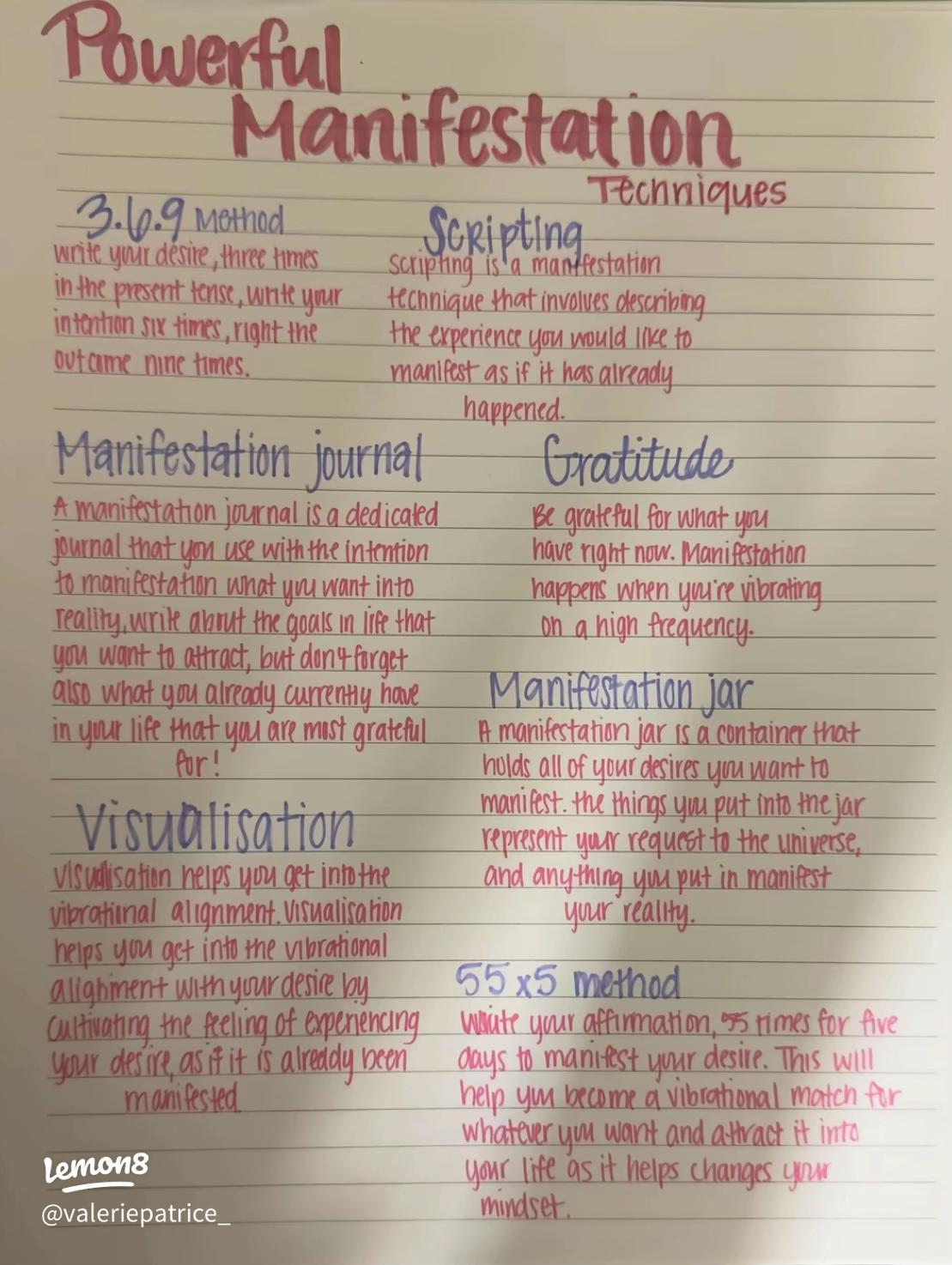
Manifestation practices vary widely but often include meditation, affirmations, and visualization. In religious contexts, these might take the form of prayers, fasting, or rituals intended to align oneself with divine guidance. Many believers use these methods to seek blessings, healing, or clarity.
- Writing down goals or intentions as a form of prayer.
- Repeating positive statements to reinforce faith and trust.
- Visualizing positive outcomes while asking for divine support.
These practices can strengthen your focus and faith, but the key difference lies in the source of power you rely on. Are you directing energy toward yourself or surrendering control to your God? This distinction influences whether manifestation aligns with your religious beliefs or not.
Islamic Views On Manifestation
Manifestation is a concept many explore to bring desires into reality. In Islam, understanding it requires examining religious texts and teachings. Islamic views on manifestation focus on intentions, reliance on Allah, and the limits of human control.
The topic raises questions about whether seeking outcomes through manifestation fits within Islamic beliefs. Exploring Quranic verses, Hadith, and scholarly opinions clarifies this matter.
Quranic References
The Quran teaches believers to trust Allah for their needs and goals. It emphasizes dua (prayer) and tawakkul (reliance on Allah) as key to receiving blessings.
- “And when My servants ask you concerning Me, indeed I am near.” (Quran 2:186)
- “Say, ‘Call upon Allah or call upon the Most Merciful.’” (Quran 17:110)
- “Indeed, Allah will not change the condition of a people until they change what is in themselves.” (Quran 13:11)
These verses highlight seeking help from Allah and personal effort, rather than controlling outcomes by one’s will alone.
Hadith Insights
The Prophet Muhammad (peace be upon him) taught the importance of sincere prayer and trust. He warned against claiming power beyond human limits.
- “Dua is the essence of worship.” (Tirmidhi)
- “If you ask, then ask Allah.” (Tirmidhi)
- “None of you should say: ‘O Allah, forgive me if You wish.’ Rather, be firm in asking.” (Bukhari)
These sayings encourage clear asking from Allah, with certainty in His response, not relying on mere visualization or wishful thinking.
Scholarly Opinions
Islamic scholars often view manifestation cautiously. They agree on trusting Allah’s plan over human desire.
- Manifestation can resemble dua if it means sincere asking from Allah.
- It becomes problematic if it suggests human power can change fate without Allah’s will.
- Scholars stress that intention and faith must align with Islamic teachings.
Some scholars advise focusing on dua, effort, and patience instead of manifestation techniques. They recommend avoiding any practice linked to superstition or shirk (associating partners with Allah).
Manifestation And Sharia Law
Understanding the relationship between manifestation and Sharia law requires careful consideration. Manifestation involves focusing your thoughts and intentions to bring desired outcomes into your life. However, Sharia law sets clear boundaries on what is allowed and what is not when it comes to such practices.
Permissible Practices
You can use positive thinking and dua (prayer) to ask Allah for guidance and help. These are encouraged in Islam because they rely on faith and trust in Allah’s power.
Setting goals and working hard to achieve them is also permitted. Islam values effort and planning, as long as your means and intentions are pure.
- Making sincere prayers for success
- Keeping a hopeful and positive mindset
- Taking practical steps toward your goals
Have you ever felt the power of heartfelt prayer combined with active effort? This blend aligns well with Sharia principles and can lead to real change.
Prohibited Actions
Manifestation crosses into haram territory when it involves belief in supernatural powers besides Allah. Relying on magic, astrology, or fortune-telling is forbidden.
Also, demanding outcomes without effort or assuming control over the future in ways that deny Allah’s will is problematic.
- Using talismans or charms for manifestation
- Believing that your thoughts alone create reality independent of Allah
- Practices involving shirk (associating partners with Allah)
Think about whether your manifestation methods respect Allah’s authority and the natural order. Are you putting faith where it belongs?

Credit: www.instagram.com
Comparisons With Other Religions
Exploring how different religions view manifesting helps us understand its place in faith. Many religions have unique ideas about destiny, prayer, and personal power. These beliefs shape how followers see the act of manifesting desires or outcomes. Comparing these views reveals both similarities and differences with Islamic teachings.
Christian Perspectives
Christianity often emphasizes prayer and faith in God’s will. Believers ask God for guidance and blessings rather than control over outcomes. Some Christians view manifesting as positive thinking or trusting God’s plan. Others worry it might focus too much on self rather than God’s power. The Bible encourages hope but stresses surrender to God’s purpose.
Hindu Beliefs
Hinduism teaches karma and dharma as key forces in life. Manifesting aligns with ideas of intention and energy in some traditions. Devotees may use meditation and mantras to attract good fortune. The law of attraction is seen as part of cosmic balance. Still, actions must respect moral duties and spiritual growth.
Buddhist Insights
Buddhism focuses on mindfulness and ending suffering. Desire often causes suffering, so manifesting wants can be tricky. Instead, Buddhists practice letting go of cravings and accepting life’s flow. Meditation helps develop awareness, not control over fate. True peace comes from inner calm, not external results.
Psychological And Spiritual Effects
Manifestation practices have sparked debate around their psychological and spiritual effects, especially in religious contexts. Understanding these effects helps you weigh the benefits and risks. Let’s look closely at what manifesting can do to your mind and spirit.
Positive Impacts
Manifesting can boost your confidence by helping you focus clearly on your goals. When you visualize success, your brain starts to align your actions toward achieving it.
Many people find that manifesting encourages positive thinking, which reduces stress and anxiety. This mental shift can improve your overall mood and motivation.
Spiritually, manifesting may deepen your connection with your beliefs by encouraging trust in a higher power or the universe. It can promote gratitude and a sense of purpose in your daily life.
Potential Risks
Relying too much on manifestation might lead you to ignore practical steps needed to reach your goals. This can cause frustration when results don’t appear quickly.
Some people experience spiritual confusion, especially if manifesting contradicts their religious teachings. This inner conflict can affect peace of mind.
Manifesting without critical thinking might create false hope, making you overlook real challenges. Have you ever felt stuck because you waited for things to happen instead of acting?

Credit: www.instagram.com
Modern Interpretations
Modern interpretations of whether manifesting is haram reflect a variety of views shaped by today’s social and cultural contexts. Understanding these perspectives can help you navigate this topic with clarity and confidence. Opinions now often blend traditional beliefs with contemporary life experiences, creating a richer conversation.
Contemporary Scholars
Many contemporary scholars examine manifesting through the lens of Islamic teachings on intention and reliance on God. Some argue that manifesting crosses into haram if it implies controlling destiny without trusting Allah’s plan.
Others suggest that setting goals and hoping for good outcomes aligns with Islamic principles, as long as it’s coupled with sincere prayer and effort. Ask yourself: Does your practice focus on positive intention and trust in Allah, or does it rely solely on your own power?
Cultural Influences
Cultural shifts have made manifesting popular worldwide, influencing how Muslim communities view it. Social media often frames manifesting as a tool for success and happiness, which can clash with traditional teachings.
You might notice that some people blend manifesting with Islamic practices, like dua (supplication), creating a hybrid approach. How does your cultural background shape your view on manifesting and its compatibility with your faith?

Credit: www.instagram.com
Frequently Asked Questions
Is Manifesting Considered Haram In Islam?
Manifesting is considered haram if it involves shirk or relying on supernatural powers besides Allah. Positive thinking and dua are encouraged instead.
Can Muslims Practice Manifestation Safely?
Yes, Muslims can practice manifestation by making sincere dua and trusting Allah’s will without invoking other powers.
What Is The Islamic View On Controlling The Future?
Islam teaches that only Allah controls the future. Humans should pray, work hard, and trust in Allah’s plan.
How Does Islam Differ From Manifestation Beliefs?
Islam emphasizes reliance on Allah alone, while manifestation often involves belief in personal power to change reality independently.
Conclusion
Manifesting involves positive thinking and setting goals. It is not clearly forbidden in Islam. But always remember to trust Allah’s plan and work hard. Avoid practices that go against Islamic teachings. Use your faith to guide your actions and hopes.
Manifest with good intentions and patience. Stay focused on real efforts alongside your prayers. This balance respects your beliefs and helps you grow.

Similar Posts