What was the Effect of Manifest Destiny: Unveiling History
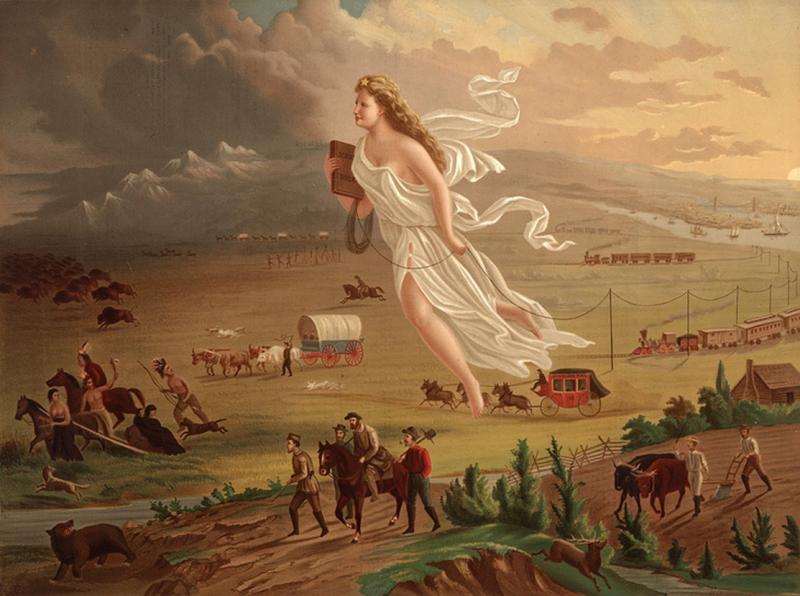
Have you ever wondered how a single idea could change the course of a whole nation? The effect of Manifest Destiny is one of those powerful stories that shaped America’s growth and identity.
It wasn’t just about land—it touched your history, your culture, and the lives of millions. By understanding what happened, you’ll see how this belief still influences the country today. Keep reading to discover the surprising impact of Manifest Destiny and why it matters to you.

Credit: www.teacherspayteachers.com
The Rise Of Manifest Destiny
The Rise of Manifest Destiny marked a powerful shift in American thinking during the 19th century. It wasn’t just a political slogan but a belief that the United States was destined to expand across the North American continent. This idea shaped the nation’s policies and affected countless lives.
Origins And Key Ideologies
Manifest Destiny emerged from a mix of nationalism and a sense of mission. Many Americans believed their culture and political system were superior and meant to spread. This belief was tied to ideas of freedom, progress, and even racial superiority.
Religious faith played a role too. Some saw expansion as God’s will, giving their actions a moral justification. This combination made Manifest Destiny a powerful force that few questioned at the time.
The Role Of American Expansionism
Expansionism wasn’t new, but Manifest Destiny gave it fresh energy. The U.S. government actively pursued new territories through treaties, wars, and negotiations. This included the annexation of Texas, the Oregon Trail, and the Mexican-American War.
As you look at these events, consider how quickly the U.S. grew. Each new territory brought resources and opportunities, but also challenges about governance and slavery. The push to expand raised tough questions about what America stood for.
Impact On Native American Communities
The rise of Manifest Destiny had devastating effects on Native American populations. As settlers moved west, indigenous peoples were forced off their lands through violence and broken treaties. This led to loss of homes, culture, and lives.
You might ask yourself how this history shapes current Native American issues. The legacy of displacement and cultural erosion remains. Understanding this helps you see the full cost of expansion beyond just maps and borders.
Westward Expansion And Consequences
Westward expansion shaped the United States deeply during the 19th century. It brought new lands, new opportunities, and new conflicts. As settlers moved west, the country grew larger and more diverse. Yet, this growth came with serious consequences for many groups and the environment.
The Mexican-american War And Its Aftermath
The Mexican-American War started in 1846. The U.S. wanted to expand its territory westward. After the war, the U.S. gained vast lands through the Treaty of Guadalupe Hidalgo. These lands included present-day California, Arizona, and New Mexico.
This new territory increased the country’s size by about one-third. It also intensified debates about slavery in the new states. The war left Mexico weaker and more divided. The U.S. emerged as a stronger power on the continent.
Native American Relocation And Assimilation
Westward expansion forced many Native American tribes from their lands. The U.S. government used laws and treaties to remove them to reservations. These moves caused great suffering and loss of traditional ways of life.
Assimilation policies tried to change Native cultures. Children were sent to boarding schools to learn English and adopt new customs. Many Native communities struggled to survive and keep their identities.
Environmental Impact Of Settlement
Settlers changed the environment quickly. Forests were cut down for farms and towns. Rivers were dammed or redirected for irrigation. Wildlife populations dropped as hunting and farming spread.
Soil exhaustion and erosion became problems in farming areas. The natural balance of many ecosystems was disrupted. These environmental changes affected both settlers and Native peoples.
The Impact On Native American Cultures
The impact of Manifest Destiny on Native American cultures was deep and lasting. It changed their way of life and reshaped their future forever. Many Native American tribes faced challenges that threatened their survival and traditions.
Loss Of Land And Identity
Manifest Destiny led to the widespread loss of Native American land. Settlers and the government took over vast territories. This loss broke the connection Native Americans had with their ancestral lands. Their identity, closely tied to the land, began to fade. Sacred sites and hunting grounds were lost. Many tribes were forced to move to unfamiliar areas. This displacement caused confusion and pain. It weakened their cultural roots and traditions.
Forced Assimilation And Cultural Suppression
The U.S. government pushed policies to change Native American lifestyles. Children were sent to boarding schools to learn English and American customs. Native languages and religions were banned. Traditional clothing and ceremonies were discouraged. This forced assimilation aimed to erase Native cultures. Many lost touch with their heritage. Families were separated, and elders struggled to pass on knowledge. The cultural suppression caused lasting trauma and loss of identity.
Effects On Native American Communities And Tribes
Communities suffered from poverty and disease after displacement. Tribal governments and social structures weakened. Conflicts arose between tribes and settlers. Many Native Americans faced discrimination and violence. Despite this, tribes showed great resilience. They worked to preserve their languages and customs. Today, many Native American communities continue to revive their cultures and traditions. They honor their history while building a stronger future.
Racial And Social Tensions
Manifest Destiny fueled the expansion of the United States across the continent. This belief created deep racial and social divisions. Many groups faced discrimination and hardship. The expansion intensified debates about slavery and race. It reshaped social structures and challenged ideals of equality. The effect on racial and social tensions was profound and lasting.
Slavery And The Role Of Manifest Destiny
Manifest Destiny raised the question of slavery in new territories. Southerners wanted to extend slavery westward. Northerners opposed the spread of slavery. This conflict led to political battles and violence. The Missouri Compromise and the Kansas-Nebraska Act were direct results. These laws tried to balance power but often failed. The debate over slavery fueled the Civil War later.
Racial Tensions And The Impact On African Americans
African Americans faced harsh realities during westward expansion. Many were enslaved and forced into labor. Free African Americans faced discrimination and violence. New territories often excluded Black people from rights and land. Native American displacement also worsened racial tensions. The idea of white superiority grew stronger. African Americans had to fight for survival and freedom.
Social Hierarchy And The Myth Of American Exceptionalism
Manifest Destiny promoted the idea that white Americans were superior. This belief supported racial and social hierarchies. Native peoples were often seen as obstacles to progress. Immigrants and minorities were treated as second class citizens. The myth of American exceptionalism justified expansion and conquest. It ignored the rights of many groups. Social divisions deepened, creating lasting inequality.
Global Consequences And The Age Of Imperialism
The idea of Manifest Destiny didn’t just reshape the United States—it rippled across the globe, influencing international power dynamics and sparking a new era of imperial ambitions. As America expanded, other nations watched closely, eager to stake their own claims. This period marked a shift where expansionism evolved into a worldwide push for dominance, often justified by cultural and racial attitudes that still echo today.
The Impact On International Relations And Global Politics
Manifest Destiny changed how countries interacted, especially between the U.S. and European powers. America’s rapid growth challenged established empires like Britain and Spain, forcing new alliances and rivalries. You might wonder how a doctrine about American land affected places far away—well, it signaled to the world that the U.S. was ready to play a larger role on the global stage.
This shift led to increased competition over territories beyond North America. Nations scrambled to secure resources and strategic locations, which sometimes sparked conflicts and reshaped borders. It’s a reminder that your country’s ambitions can have unexpected effects on distant lands and peoples.
The Rise Of Imperialism And The ‘white Man’s Burden’
Manifest Destiny helped fuel the belief that Western powers had a duty to “civilize” other parts of the world. This idea, known as the “White Man’s Burden,” justified imperialism by claiming it was for the benefit of colonized peoples. You might find it hard to believe, but many saw imperialism as a moral mission rather than a grab for power.
This mindset drove European and American expansion into Asia, Africa, and the Pacific. It often ignored the rights and cultures of native populations, leading to exploitation and resistance. Understanding this helps you see how ideas about race and culture were twisted to support control over others.
The Legacy Of Manifest Destiny In Modern Times
Today, the echoes of Manifest Destiny still influence international relations and domestic policies. Issues like immigration, border control, and national identity can trace roots back to this expansionist mindset. When you look at current debates, consider how historical ideas about growth and power shape our world.
More importantly, reflecting on Manifest Destiny’s legacy invites you to question how national ambitions affect global justice and equality. How can you contribute to a future where growth respects all cultures and peoples? This is a challenge that remains as relevant now as it was over a century ago.

Credit: www.youtube.com
Evaluating The Legacy Of Manifest Destiny
Evaluating the legacy of Manifest Destiny reveals a mixed and complex history. It shaped the United States in many ways, bringing growth and conflict. The idea pushed the country to expand westward but also caused harm to Native Americans and other groups. Understanding this legacy helps us see American history in a clearer light.
The Complexity Of American History
Manifest Destiny is not just a simple story of progress. It includes both achievements and deep struggles. The expansion brought new lands and opportunities for settlers. At the same time, it led to wars and displacement of Native peoples. This complexity shows that history has many sides and voices.
Debunking The Myth Of Manifest Destiny
Many believe Manifest Destiny was a natural and positive event. The truth is more complicated. It was based on ideas of racial and cultural superiority. The policy ignored the rights of indigenous people and others living in those lands. Recognizing these facts challenges the traditional myths.
Lessons For Contemporary American Society
The legacy of Manifest Destiny offers important lessons today. It reminds us to respect all cultures and histories. It shows the dangers of unchecked expansion and power. By learning from the past, society can work toward fairness and understanding among all people.

Credit: www.youtube.com
Frequently Asked Questions
What Was The Primary Goal Of Manifest Destiny?
Manifest Destiny aimed to expand the United States across North America. It motivated territorial growth from the Atlantic to the Pacific. This belief justified westward expansion and influenced U. S. policies in the 19th century.
How Did Manifest Destiny Affect Native American Tribes?
Manifest Destiny led to forced relocation and loss of Native lands. Many tribes faced violence, displacement, and cultural disruption. It significantly reduced Native American populations and altered their traditional ways of life.
What Role Did Manifest Destiny Play In U.s. Politics?
Manifest Destiny intensified debates over slavery and statehood. It contributed to sectional tensions between North and South. These conflicts ultimately helped trigger the Civil War.
How Did Manifest Destiny Impact U.s.-mexico Relations?
Manifest Destiny caused the Mexican-American War (1846-1848). The U. S. gained vast territories like California and Texas. This war reshaped the southwestern border and U. S. influence.
Conclusion
Manifest Destiny shaped the growth of the United States deeply. It expanded land but also caused conflicts and hardship. Native peoples lost homes and cultures. New states grew fast, changing the nation’s economy and politics. This idea pushed Americans west, creating new opportunities.
Still, it brought serious challenges and struggles. Understanding its effects helps us see America’s past clearly. The story of Manifest Destiny is complex and important. It shows how ambition and consequences often go hand in hand.

Similar Posts