What Does the Phrase Manifest Destiny Mean: Unveiling Its True Impact
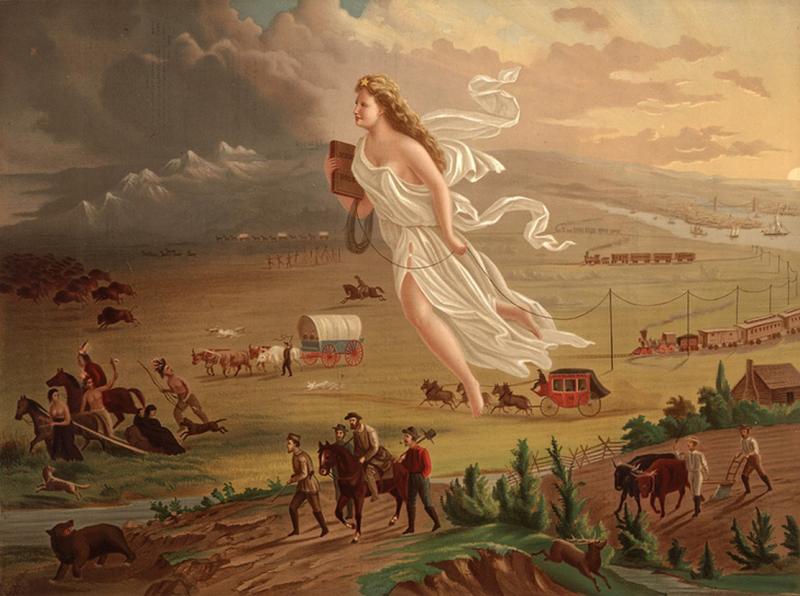
Have you ever wondered what the phrase “Manifest Destiny” really means and why it mattered so much in history? Understanding this term can change the way you see the growth of a nation and the choices people made long ago.
You’ll discover the true meaning behind Manifest Destiny, why it sparked so much passion, and how it still influences ideas today. Keep reading to unlock the story behind these powerful words and how they shaped a whole country’s path.
Origins Of Manifest Destiny
The phrase “Manifest Destiny” has deep roots in American history. It captures a powerful belief that shaped the nation’s growth. Understanding its origins helps us see why it mattered so much. This idea did not appear out of nowhere. It grew from specific times, people, and words.
Historical Context
In the early 1800s, the United States was young and expanding. People wanted more land to farm and settle. The country had just doubled in size after the Louisiana Purchase. Many saw the land west of the Mississippi River as a chance to grow. At the same time, Americans believed their culture and government were superior. This belief pushed them to spread across the continent. The idea of Manifest Destiny gave a name to this feeling of national mission.
Key Figures Behind The Idea
Several leaders helped shape and spread the idea of Manifest Destiny. President James K. Polk strongly supported expansion. He believed the United States should control the entire continent. Newspaper editor John L. O’Sullivan coined the phrase in 1845. He argued that it was America’s duty to spread freedom and democracy. Many politicians and settlers embraced this vision. They saw it as a clear path to national greatness.
Early Usage Of The Phrase
The phrase “Manifest Destiny” first appeared in 1845. John L. O’Sullivan used it in an article about annexing Texas. He wrote that it was America’s obvious fate to expand its borders. The term quickly caught on in newspapers and speeches. It gave people a simple way to explain a complex idea. Manifest Destiny became a rallying cry for expansion and settlement.

Credit: www.msnbc.com
Core Beliefs And Goals
The phrase “Manifest Destiny” captured a powerful belief that shaped a nation’s path. At its core were ideas and goals that went beyond mere land acquisition. Understanding these core beliefs helps you see why Manifest Destiny was more than just a slogan—it was a driving force that shaped politics, culture, and identity.
Territorial Expansion
Territorial expansion was the heart of Manifest Destiny. It meant growing the nation’s borders from the Atlantic to the Pacific Ocean. This goal wasn’t just about land—it was about securing resources, new opportunities, and a stronger position in the world.
Think about how this expansion affected everyday people. Settlers moved west hoping for a better life, fueled by the promise of free land and prosperity. But at what cost? Native American lands were taken, and conflicts arose, showing how expansion was both a dream and a source of deep conflict.
Cultural And Political Justifications
Manifest Destiny was backed by strong cultural beliefs. Many Americans believed their way of life and government were superior and meant to spread across the continent. This belief gave them a sense of purpose and moral right.
Politically, expansion was seen as a way to strengthen democracy and freedom. Leaders argued that spreading American institutions would bring progress and order. But how do you balance these ideas with the realities of displacement and war?
Impact On National Identity
Manifest Destiny played a huge role in shaping what it meant to be American. It created a vision of the country as bold, ambitious, and destined for greatness. This vision still influences how many see the U.S. today.
Yet, this identity also includes contradictions. The push for expansion highlighted tensions between ideals of liberty and the realities of exclusion and conquest. How does knowing this complexity change your view of America’s past and present?
Major Events Fueled By Manifest Destiny
Manifest Destiny shaped many key events in American history. It was the belief that the United States should expand across the North American continent. This idea led to major actions that changed the country’s size and future. These events show how Manifest Destiny influenced growth and conflict.
Westward Expansion
Westward expansion was the movement of settlers toward the western lands. People sought new opportunities and land for farming. The government supported this by passing laws like the Homestead Act. This act gave free land to settlers who agreed to farm it. Towns and cities grew quickly as more families moved west. This expansion pushed Native Americans from their homes. It changed the landscape and economy of the nation.
Mexican-american War
The Mexican-American War was a conflict fought between the U.S. and Mexico from 1846 to 1848. It started over land disputes in Texas and the southwest. The war ended with the Treaty of Guadalupe Hidalgo. This treaty gave the U.S. large territories like California and Arizona. The victory fulfilled many Americans’ hopes of expansion. It also stirred debates about slavery in the new lands. The war was a direct result of Manifest Destiny’s goal.
Oregon Trail And Settlements
The Oregon Trail was a key route for settlers moving west. Thousands traveled this path in wagons, facing many hardships. Settlers moved to Oregon and the Pacific Northwest for fertile land and new chances. The U.S. and Britain had disputes over Oregon territory. The Oregon Treaty of 1846 peacefully divided the land. Settlements grew, boosting trade and farming in the region. The trail and settlements symbolize the spirit of Manifest Destiny.
Consequences For Indigenous Peoples
The phrase “Manifest Destiny” shaped a dark chapter for Indigenous peoples. It fueled expansion across North America at a great human cost. Native communities faced severe consequences that altered their lives forever.
These consequences went beyond land alone. They affected culture, society, and survival. Indigenous peoples resisted but often suffered violent conflicts. Understanding these effects reveals the true impact of Manifest Destiny.
Displacement And Loss Of Land
Indigenous tribes were forced from their ancestral lands. Settlers claimed vast territories, ignoring Native rights. Forced relocations like the Trail of Tears caused immense suffering. Loss of land meant loss of homes, hunting grounds, and sacred sites.
Reservations became crowded and restricted areas. Many tribes struggled to sustain themselves after displacement. Land loss disrupted traditional lifestyles deeply.
Cultural Impact
Indigenous cultures faced erosion under settler policies. Children were taken to boarding schools to erase native languages. Tribal ceremonies and traditions were often banned or discouraged. Cultural identity weakened as communities adapted to survive.
Loss of land and resources also damaged social structures. Many Native peoples experienced poverty and marginalization. The cultural scars from this era remain visible today.
Resistance And Conflict
Native groups resisted expansion through battles and diplomacy. Conflicts like the Sioux Wars and Apache Wars showed fierce defense. Despite bravery, Indigenous peoples often faced overwhelming military force. Many lives were lost in these struggles.
Resistance took many forms, from armed fights to maintaining traditions secretly. These acts highlight the resilience of Indigenous communities amid great adversity.
Economic And Political Effects
The phrase “Manifest Destiny” did more than describe a belief in expansion; it reshaped America’s economy and politics in profound ways. Understanding these effects helps you see how this idea influenced the country’s growth and internal struggles. It also reveals how the U.S. positioned itself on the world stage.
Growth Of The American Economy
Manifest Destiny fueled rapid economic growth by opening new lands for farming, mining, and trade. Settlers moved west, creating new markets and opportunities for businesses. Railroads expanded, connecting distant regions and boosting commerce.
You might wonder how this affected everyday people. New jobs appeared, but so did challenges like land disputes and resource competition. The economic boom wasn’t evenly shared, highlighting tensions between regions.
Slavery Debate And Sectionalism
The push westward intensified debates over whether new territories would allow slavery. This question divided the nation politically and socially. It forced lawmakers and citizens alike to confront deep disagreements about freedom and rights.
Think about how adding new states could shift political power. Each new state tilted the balance between free and slave states, increasing sectional tension. This debate eventually led to stronger divisions that shaped America’s path toward civil conflict.
Shaping Of U.s. Foreign Policy
Manifest Destiny influenced how the U.S. interacted with other countries. It justified expansion at the expense of Native American lands and Mexican territory, leading to conflicts like the Mexican-American War.
These actions showed a growing American confidence and willingness to assert power abroad. You can see how this set a precedent for future foreign policies focused on growth and influence. Would you support such aggressive expansion if you lived at that time?

Credit: aspenjournalism.org
Legacy And Modern Perspectives
The legacy of Manifest Destiny shapes much of America’s history and identity. It influenced the country’s borders and its view on growth. Today, people see this idea in many ways. Some praise its role in expansion, while others criticize its impact on native peoples and neighboring countries.
Modern views challenge the old story of Manifest Destiny. This shift changes how the phrase fits into today’s world. Understanding these changes helps us learn from the past and apply its lessons wisely.
Reevaluating Manifest Destiny Today
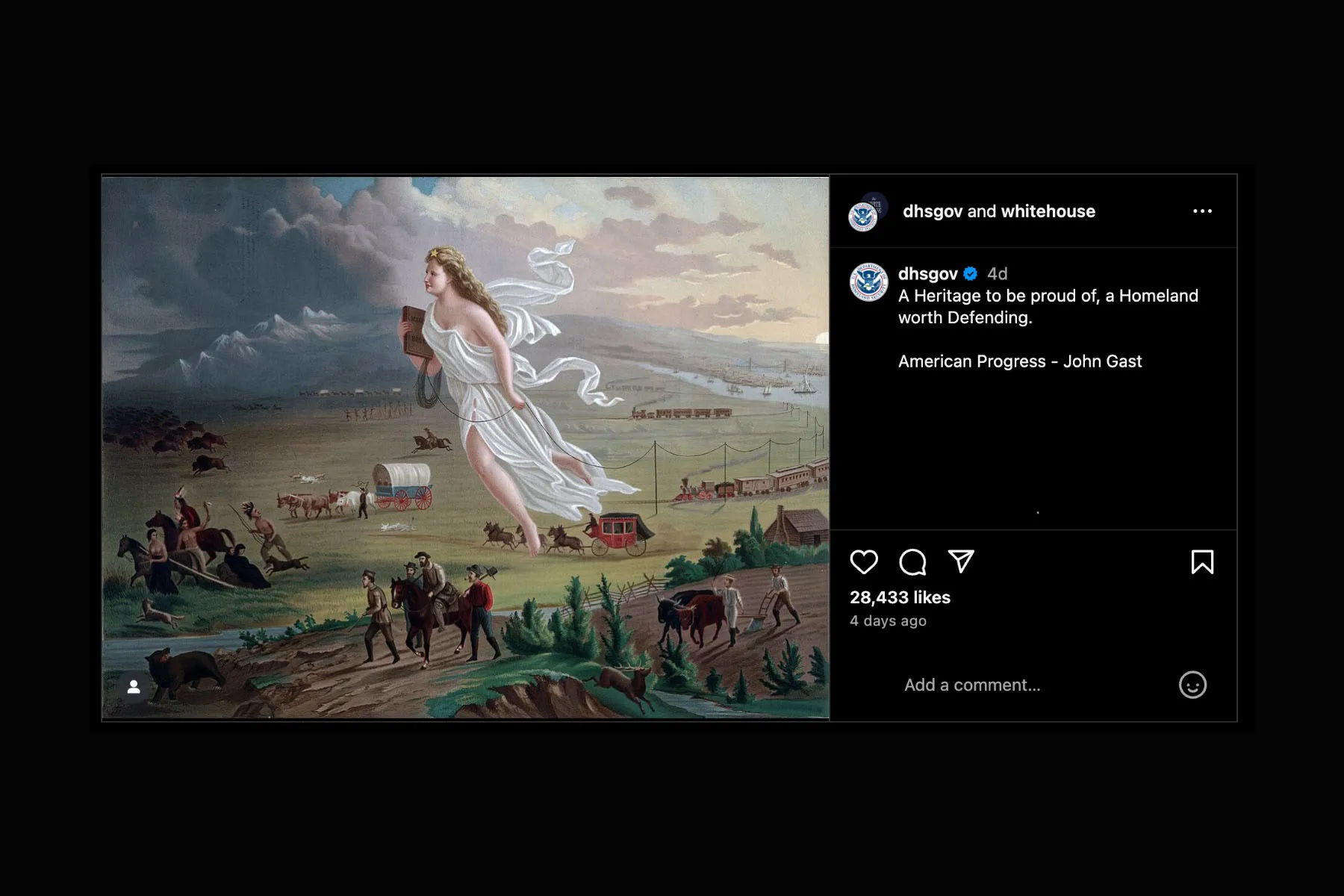
Today, many question the idea of Manifest Destiny. It once meant a clear right to expand. Now, it highlights conflicts and injustices. Historians point out the harm to Native Americans and others. This new view calls for honesty about America’s past.
Influence On American Expansionism
Manifest Destiny inspired the U.S. to grow fast. It pushed borders west and shaped policies. This spirit still affects how America thinks about power and land. Many policies today trace back to this drive for expansion.
Lessons For Contemporary Policy
Manifest Destiny teaches caution about growth and power. It shows risks of ignoring others’ rights. Policymakers now focus more on fairness and respect. This history urges balance between progress and justice.
Credit: 19thnews.org
Frequently Asked Questions
What Is Manifest Destiny?
Manifest Destiny is a 19th-century doctrine. It held that U. S. expansion across North America was justified and inevitable. This belief was rooted in the idea of American exceptionalism. It suggested that the United States was destined to expand democracy and civilization.
Manifest Destiny significantly influenced U. S. territorial growth.
Why Was Manifest Destiny Important?
Manifest Destiny was crucial for U. S. expansion. It justified territorial acquisitions like the Louisiana Purchase and Texas Annexation. It fueled westward migration, shaping the nation’s identity. This doctrine also impacted Indigenous populations, leading to displacement. Manifest Destiny played a key role in shaping America’s historical trajectory.
How Did Manifest Destiny Affect Native Americans?
Manifest Destiny had severe impacts on Native Americans. It led to forced relocations and loss of ancestral lands. The Indian Removal Act exemplifies this tragic aspect. Native cultures faced disruption and decline. This era marked a profound and often devastating shift for indigenous communities in North America.
Who Coined The Term Manifest Destiny?
Journalist John L. O’Sullivan coined the term Manifest Destiny. In 1845, he used it in an article promoting Texas annexation. O’Sullivan argued that the U. S. had a divine right to expand. His phrase captured the expansionist spirit of the time, influencing national policy and public sentiment.
Conclusion
Manifest Destiny shaped much of America’s past and future. It showed the strong desire to expand land and influence. Many people believed it was their right and duty. This idea led to big changes in the country’s borders and culture.
Understanding Manifest Destiny helps us see how history unfolded. It also helps explain some challenges America faced. The phrase still sparks thoughts about growth and change today. History is full of lessons from this powerful idea. Manifest Destiny remains an important part of American story.

Similar Posts