What is a Manifest in Shipping: Essential Guide

Have you ever wondered how shipping companies keep track of all the goods moving across the world? The answer lies in something called a manifest.
If you’re involved in shipping or just curious about how cargo is organized and tracked, understanding what a manifest is can save you time and avoid confusion. This simple document holds the key to making sure your shipments arrive safely and on schedule.
Keep reading to discover exactly what a manifest is, why it matters to you, and how it works behind the scenes in shipping.
Role Of A Shipping Manifest
The role of a shipping manifest is central to smooth cargo transport. It acts as a detailed list of all goods on board a vessel or vehicle. This document helps keep track of shipments and ensures all items are accounted for throughout the journey. It supports various functions in logistics, customs clearance, and shipment tracking.
Purpose In Logistics
The shipping manifest guides loading and unloading processes. It shows what cargo is on the transport and where it should go. This helps workers handle shipments efficiently and avoid mistakes. It also supports inventory control by documenting every item transported.
Importance For Customs
Customs officers use the manifest to check shipments entering or leaving a country. It provides detailed information about cargo content, origin, and destination. This helps ensure legal compliance and speeds up inspections. Accurate manifests reduce the risk of fines or shipment delays.
Tracking Shipments
The manifest helps track goods from start to finish. Each item is listed with details like quantity and description. This allows companies to monitor shipments and confirm delivery. It also aids in resolving issues if goods are lost or damaged.
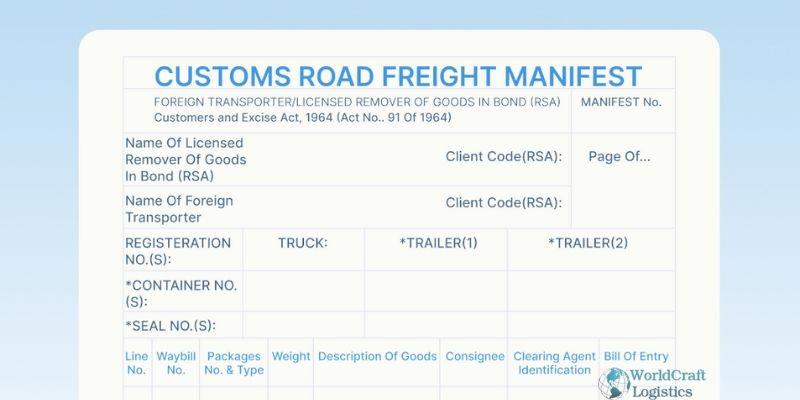
Credit: worldcraftlogistics.com
Key Elements Of A Manifest
The manifest is a vital document in shipping. It lists all the goods on board a vessel or vehicle. Knowing the key elements of a manifest helps understand its purpose. These elements organize and describe the cargo and shipment details clearly.
Cargo Details
Cargo details describe what is being shipped. This section includes the type of goods, quantity, weight, and packaging. It also notes any special handling instructions or hazardous materials. Clear cargo details ensure proper management during transport and delivery.
Consignor And Consignee Information
The consignor is the person or company sending the goods. The consignee is the receiver of the shipment. Both names, addresses, and contact details appear in this section. This information helps track ownership and delivery of the cargo.
Vessel And Voyage Data
This part includes the vessel’s name, voyage number, and departure date. It also shows the port of loading and destination port. Accurate vessel and voyage data help customs and shipping agents monitor the shipment’s progress.
Types Of Shipping Manifests
Shipping manifests come in different types, each serving a unique purpose in the logistics chain. Understanding these types helps you manage shipments more effectively and avoid common pitfalls. Let’s break down the main categories so you know what to expect and how to work with them.
House Manifest
A house manifest is created by freight forwarders or consolidators. It lists all shipments from various clients that are grouped into one larger shipment. This document gives you a detailed view of the individual packages, their contents, and the consignee information.
If you’re a small business shipping multiple parcels together, the house manifest is your go-to document. It helps you track each item without confusion, even though they’re traveling as one consolidated load.
Master Manifest
The master manifest is prepared by the carrier, like an airline or shipping line. It summarizes all the cargo the carrier is transporting on a specific vessel or flight. Unlike the house manifest, it doesn’t break down individual shipments but shows the big picture.
Imagine you’re shipping goods overseas. The master manifest is what customs officials check first to verify the total cargo onboard. It’s critical for ensuring the entire shipment complies with regulations.
Combined Manifest
A combined manifest merges details from both house and master manifests. It provides a comprehensive overview of shipments, showing both individual items and the overall cargo load. This type is especially useful when multiple forwarders and carriers are involved in one shipment.
Have you ever wondered how a package travels through several hands without getting lost? The combined manifest plays a key role here, acting as a master list that keeps all parties informed. It streamlines communication and helps avoid delays.
How Manifests Are Created
Creating a shipping manifest is a detailed process that ensures all cargo information is accurate and organized. This document acts as a critical communication tool between shippers, carriers, and customs officials. Understanding how manifests are created can help you appreciate the care and precision required to keep shipments moving smoothly.
Data Collection Process
The first step involves gathering detailed information about every item in the shipment. This includes the description, quantity, weight, and destination of each package. You need to collect data from invoices, packing lists, and shipping instructions.
Accuracy here is crucial. Even small errors can cause delays or fines at customs. Think about how you track your own shipments online—manifest data is what makes that tracking possible.
Software Tools
Once the data is collected, it’s entered into specialized software designed for creating manifests. These tools help organize, format, and store shipping information efficiently. They often integrate with inventory and logistics systems to reduce manual entry.
Using software minimizes errors and speeds up the process. Imagine trying to compile a manifest by hand for dozens or hundreds of items—software turns a tedious task into a manageable one.
Verification Steps
Before finalizing the manifest, the information must be double-checked. This includes confirming item details, weights, and shipping routes. Verification often involves cross-referencing documents and physical inspection of cargo.
Think about the last time you double-checked your own travel documents before a trip—this step is just as important in shipping. Proper verification prevents costly mistakes and ensures compliance with regulations.
Manifests In Different Transport Modes
Manifests play a crucial role across all transport modes, but their details and uses can vary significantly depending on how goods are moved. Understanding these differences helps you manage shipments more effectively and avoid common pitfalls. Let’s look at how manifests work in sea freight, air freight, and land transport.
Sea Freight
Sea freight manifests are often the most detailed due to the volume and variety of cargo shipped by sea. They include information such as container numbers, shipper and consignee details, and the description of goods. Because shipments can be large and complex, these manifests help customs officers and port authorities track and verify cargo efficiently.
Think about a large container ship carrying thousands of items. Without a proper manifest, identifying which container holds what would be nearly impossible. If you ever dealt with sea freight, you know how delays at ports can disrupt schedules—an accurate manifest prevents such headaches.
Air Freight
Air freight manifests focus on speed and accuracy since air shipments often carry high-value or time-sensitive goods. These manifests list the weight, dimensions, and contents of each package, as well as flight details and handling instructions. This helps ground staff load the aircraft correctly and ensures quick customs clearance.
Have you noticed how quickly air cargo moves compared to sea? The manifest plays a big part in that by providing clear, concise information. When you’re shipping urgent medical supplies or electronics, a small error in the manifest can cause costly delays.
Land Transport
Manifests in land transport are usually simpler but must be precise to avoid delivery errors. They include details like the type of cargo, vehicle registration, driver information, and delivery points. Since trucks and trains often make multiple stops, the manifest acts as a roadmap to ensure each item reaches the right destination.
Imagine a truck driver navigating a busy route with dozens of parcels. The manifest helps keep everything organized and on track. For your business, having a clear land transport manifest means fewer lost packages and smoother deliveries.
Legal And Regulatory Aspects
The legal and regulatory aspects of a shipping manifest are crucial for smooth operations and avoiding costly problems. A manifest is more than just a list of cargo; it’s a legal document that must meet strict requirements. Understanding these rules helps you keep shipments compliant and protect your business from penalties.
Compliance Requirements
Every country and port has specific laws about what information must appear on a shipping manifest. You need to include details like the shipper, consignee, type of goods, and their quantities. Missing or incorrect data can delay customs clearance and hold up your cargo.
Customs authorities require manifests to verify that shipments meet import and export regulations. This includes safety rules, trade restrictions, and tax obligations. You must also update manifests promptly if any cargo changes during transit.
Penalties For Errors
Errors on a shipping manifest can lead to hefty fines and legal trouble. Authorities may impose penalties if goods are misdeclared or if mandatory information is missing. These fines vary widely but can reach thousands of dollars per shipment.
In some cases, inaccurate manifests can cause cargo seizures or legal disputes. Have you ever thought about how a simple typo on a manifest could put your entire shipment at risk? Ensuring accuracy protects your business and builds trust with customs officials.
Documentation Standards
Shipping manifests must follow specific formatting and documentation standards to be accepted. Many countries require electronic submission through designated portals, while others still accept paper versions. The document should be clear, legible, and organized to speed up processing.
Standards often include language requirements, units of measurement, and consistent terminology. Using a standard template or software designed for manifest creation reduces errors and saves time. Are you using tools that help you meet these documentation standards efficiently?
Common Challenges And Solutions
Shipping manifests are vital documents in logistics. They list all cargo details for a shipment. Despite their importance, managing manifests involves several challenges. These issues can delay shipments or cause errors. Addressing these problems is essential for smooth shipping operations. Below are common challenges and practical solutions that help maintain accuracy and efficiency.
Handling Discrepancies
Discrepancies happen when cargo details don’t match the manifest. Causes include mislabeling or damaged goods. These mismatches can create delays at customs or ports. To solve this, verify cargo before creating the manifest. Cross-check item counts and descriptions carefully. Use technology like barcode scanners to reduce errors. Train staff to report any inconsistencies immediately. Clear communication between shippers and carriers is key.
Managing Last-minute Changes
Shipments often face last-minute changes. New items may be added or removed from cargo. These changes can disrupt shipping schedules and documentation. Update the manifest promptly to reflect these changes. Use digital manifest systems that allow quick edits. Inform all parties involved about updates instantly. Planning buffer time before shipment helps manage unexpected changes. Flexibility and quick response reduce risks of errors.
Ensuring Data Accuracy
Accurate data on manifests is crucial for smooth shipping. Errors in names, weights, or quantities cause problems. Use standardized forms to collect cargo information. Automate data entry to minimize human mistakes. Regularly audit manifest data for accuracy. Provide ongoing training to staff on data handling. Accuracy improves trust with customs and clients. Reliable data speeds up shipment clearance and delivery.

Credit: redstagfulfillment.com
Future Trends In Shipping Manifests
The future of shipping manifests is changing fast. Technology drives new methods to improve accuracy and speed. These changes help shipping companies manage goods better and reduce errors. The following trends show how shipping manifests will evolve soon.
Digitalization And Automation
Shipping manifests are moving from paper to digital forms. Digital manifests save time and reduce mistakes. Automation tools can fill out and check manifests quickly. This makes the shipping process smoother and faster. Workers spend less time on manual data entry. The entire shipment tracking becomes more reliable.
Blockchain Integration
Blockchain offers a secure way to store and share shipping data. It creates a permanent record that cannot be changed. This increases trust between all parties in the supply chain. Blockchain helps prevent fraud and errors in manifests. It also allows instant verification of shipment details. This technology supports transparency and accountability.
Real-time Data Sharing
Real-time data sharing improves communication between shippers, carriers, and customs. Everyone gets updates immediately about the shipment status. This reduces delays caused by missing or incorrect information. Real-time sharing helps solve problems faster. It supports better decision-making and planning for shipments.
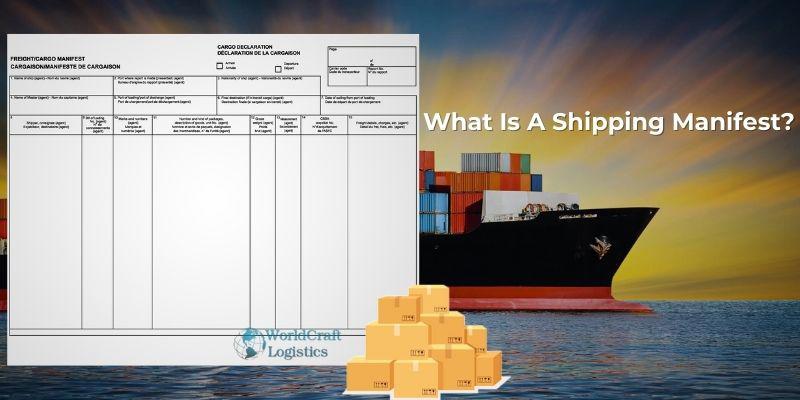
Credit: worldcraftlogistics.com
Frequently Asked Questions
What Is A Manifest In Shipping?
A manifest in shipping is a detailed document listing all cargo on a vessel. It helps authorities track and verify shipments. The manifest includes descriptions, quantities, and destinations, ensuring smooth customs clearance and logistics management.
Why Is A Shipping Manifest Important?
A shipping manifest ensures accurate cargo tracking and compliance with regulations. It helps prevent fraud and loss by providing clear shipment details. Customs officials use it to inspect and clear goods quickly, improving overall shipping efficiency.
Who Prepares The Shipping Manifest?
The shipping manifest is usually prepared by the shipper or freight forwarder. They compile all cargo details before the vessel departs. Accurate preparation is essential to avoid delays and legal issues during shipping and customs inspections.
How Does A Manifest Differ From A Bill Of Lading?
A manifest lists all cargo on a ship, while a bill of lading is a contract between shipper and carrier. The bill of lading serves as a receipt and title document, whereas the manifest is mainly for cargo tracking and customs.
Conclusion
A shipping manifest lists all cargo on a vessel. It helps keep track of goods during transport. Customs officials use it to check shipments quickly. It also ensures safety by showing what is on board. Understanding a manifest helps in smooth shipping operations.
It saves time and reduces errors in delivery. A clear manifest supports better communication between shippers and carriers. Knowing this simple document aids anyone involved in shipping. Easy to read, it makes shipping more organized. A manifest plays a key role in global trade.

Similar Posts