What is the Manifesto of Surrealism: Unlocking Imagination
Have you ever wondered what lies beneath the strange and dreamlike world of surrealism? The Manifesto of Surrealism holds the key to understanding this bold and imaginative movement.
It challenges how you see reality, creativity, and even yourself. By diving into this manifesto, you’ll discover ideas that can change the way you think about art and life. Ready to unlock the secrets behind surrealism and see the world through a new lens?
Keep reading to explore what the Manifesto of Surrealism truly means for you.

Credit: www.facebook.com
Origins Of Surrealism
The origins of Surrealism lie in a desire to break free from traditional art and thought. This movement began in the early 20th century, focusing on the unconscious mind and dreams. Surrealists wanted to explore hidden realities beyond logic and reason. They aimed to express the imagination without limits.
Historical Context
Surrealism emerged after World War I, a time of great change and uncertainty. Many artists and writers felt disillusioned by the war’s destruction. They rejected the strict rules of realism and rationalism. The movement grew from the earlier Dada movement, which challenged conventional art and culture. Surrealism sought to tap into the unconscious mind using techniques like automatic writing and dream analysis.
Key Figures
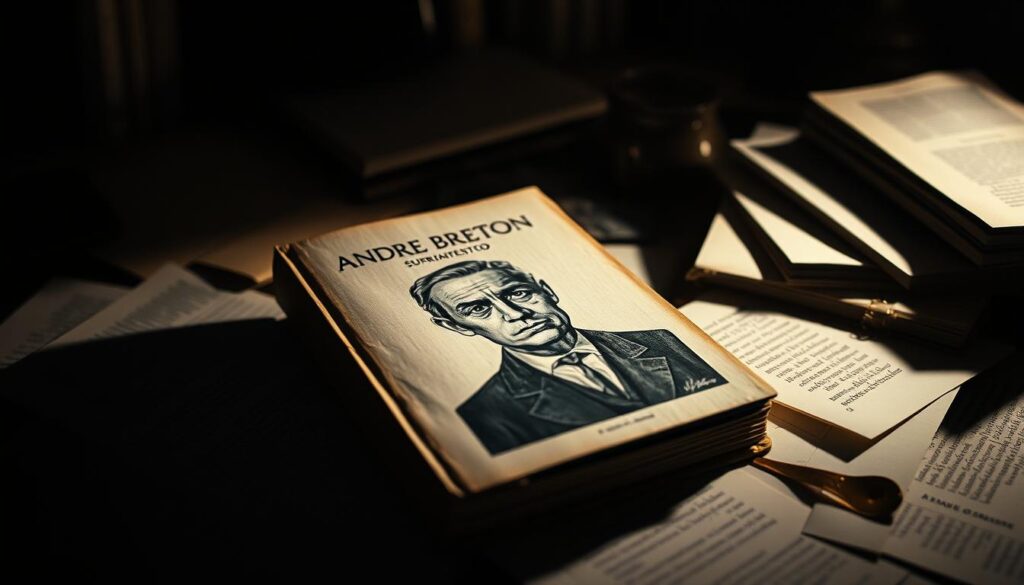
Several key figures shaped Surrealism and its manifesto. André Breton, a French poet and writer, is known as the movement’s founder. He wrote the first Surrealist Manifesto in 1924, defining its goals and ideals. Other important artists include Salvador Dalí, René Magritte, and Max Ernst. These creators used strange, dream-like images to challenge reality and provoke thought. Their work still influences art and literature today.
Core Ideas Of The Manifesto
The core ideas of the Manifesto of Surrealism challenge the way you see the world and yourself. It invites you to look beyond the surface and tap into deeper layers of thought and feeling. Understanding these ideas can open new doors to creativity and self-expression.
Role Of The Unconscious
The manifesto highlights the unconscious mind as a powerful source of truth and creativity. It suggests that your hidden thoughts and feelings often reveal more about your reality than conscious thinking does.
Think about moments when a sudden idea or feeling surprises you. That’s your unconscious at work, guiding you beyond logic and reason. The manifesto encourages trusting these inner impulses to discover new perspectives.
Dreams And Reality
Surrealism blurs the line between dreams and waking life. It asks you to consider how your dreams influence your perception and how reality might be more flexible than you imagine.
Have you ever woken up with a vivid image or idea that stayed with you all day? Surrealists believe these dream fragments hold creative power and can inspire new ways of thinking and creating.
Liberation Of Imagination
The manifesto calls for freeing your imagination from social rules and traditional logic. It pushes you to let go of control and allow spontaneous, unexpected ideas to emerge.
When you stop censoring your thoughts, you might find surprising connections and fresh insights. This liberation can lead to bold creativity and a deeper understanding of yourself.
Techniques In Surrealist Art
The techniques used in Surrealist art are designed to bypass conscious control and tap into the unconscious mind. These methods challenge traditional artistic rules and encourage spontaneous creation. They invite you to see beyond reality and explore deeper layers of thought and emotion.
Automatic Writing
Automatic writing is a technique where the artist writes or draws without conscious planning. This process allows thoughts and images to flow freely from the subconscious mind. Have you ever tried jotting down your thoughts without stopping to edit? That raw, unfiltered output can reveal surprising insights and ideas.
Surrealists used automatic writing to capture dreams, random thoughts, and hidden desires. This method often produces unexpected connections and strange imagery that challenge logical thinking. It’s a way to free your creativity from self-censorship and open up new possibilities.
Collage And Assemblage
Collage combines different materials like paper, photographs, and fabric into a single artwork. Assemblage goes a step further by using three-dimensional objects. These techniques allow artists to create new meanings by placing unrelated elements together.
When you create a collage, you mix things that don’t normally belong together. This sparks your imagination and encourages you to see ordinary objects in new ways. Think about how mixing images from magazines can lead to surprising stories or scenes.
Juxtaposition And Paradox
Juxtaposition places contrasting images or ideas side by side to create tension or surprise. Paradox involves combining contradictory elements that challenge your understanding of reality. These techniques make you stop and question what you see.
Have you noticed how putting two opposite things together can create a powerful effect? Surrealists use this to disrupt normal thinking and reveal hidden truths. It’s a way to push your mind beyond comfort zones and spark fresh perspectives.
Impact On Literature And Art
The Manifesto of Surrealism deeply shaped literature and art. It broke old rules and opened new paths. Artists and writers found freedom to explore dreams and the unconscious mind. The manifesto urged creators to trust imagination and chance. This shift changed the way stories were told and how art was made. Surrealism inspired bold ideas and strange, vivid images. Its impact still echoes in creative work today.
Influence On Writers
Surrealism pushed writers to break from logic and reason. They used automatic writing to capture thoughts without control. This technique revealed hidden feelings and unexpected ideas. Writers mixed reality with fantasy in their stories and poems. Their language became more playful and surprising. Themes like dreams, desires, and fears grew stronger. Famous authors embraced surrealism to explore the mind’s depths. Their work often felt like a journey into the unknown.
Visual Arts Transformation
Surrealism changed how artists saw and created images. They focused on dreams and the unconscious world. Paintings showed strange scenes and bizarre creatures. Artists used unexpected combinations and distortions. Techniques like collage and frottage became popular. Surrealist art challenged viewers to think differently. It invited people to question reality and logic. This new style influenced many art movements after surrealism.
Surrealism Today
Surrealism continues to influence the world around us, far beyond its early 20th-century origins. Its ideas challenge the way you think about reality and creativity today. Understanding how surrealism lives on can open your mind to new ways of seeing and creating.
Modern Interpretations
Today, surrealism is not limited to paintings or literature. Artists, filmmakers, and designers use surrealist ideas to break free from traditional rules. You might notice unexpected combinations or dreamlike scenes in modern digital art and movies.
Think about how virtual reality games create worlds that feel both real and strange. These experiences echo surrealism’s goal of blending reality and imagination. Have you ever felt that sudden surprise or confusion that makes you question what’s real? That feeling is at the heart of surrealist influence.
Legacy In Popular Culture
Surrealism’s impact stretches into music, fashion, and advertising. Surreal images and ideas grab your attention because they are unusual and thought-provoking. Brands often use surrealist elements to make their campaigns unforgettable.
- Music videos with odd, dreamlike visuals
- Fashion shows featuring unexpected designs and materials
- Films that mix reality with fantasy in surprising ways
By recognizing these influences, you can better appreciate the creativity around you. How might you use surrealism’s spirit to bring fresh ideas into your own work or daily life?
Credit: thesurrealists.org

Credit: newsonline.library.vanderbilt.edu
Frequently Asked Questions
What Is The Manifesto Of Surrealism?
The Manifesto of Surrealism is a 1924 document by André Breton. It defines surrealism as a revolutionary movement in art and literature. The manifesto emphasizes dreams, the unconscious mind, and free association as creative sources.
Who Wrote The Manifesto Of Surrealism?
André Breton, a French poet and critic, wrote the Manifesto of Surrealism. He is known as the founder of surrealism. Breton outlined the movement’s goals and principles in this influential text.
What Are The Main Themes Of The Manifesto?
The manifesto highlights dreams, unconscious desires, and irrationality. It promotes automatic writing and free expression. The goal is to liberate thought from logical constraints and explore deeper creativity.
How Did The Manifesto Influence Art And Literature?
The manifesto inspired artists and writers to explore the unconscious mind. It encouraged experimental techniques and imaginative freedom. This influence shaped surrealist painting, poetry, and cinema worldwide.
Conclusion
The Manifesto of Surrealism changed how people see art and life. It invites us to explore dreams and the unconscious mind. Surrealism breaks free from logic and rules. It helps artists express deep thoughts and feelings. This movement still inspires creativity today.
Understanding the manifesto gives insight into surreal art’s meaning. It shows how imagination can shape reality. Surrealism asks us to think differently and embrace the strange. A world beyond normal limits awaits inside.

Similar Posts