What is the Ostend Manifesto: A Controversial Diplomatic Move
Have you ever wondered about the secrets behind powerful political decisions in history? The Ostend Manifesto is one of those intriguing documents that changed the course of American politics in the 1850s.
If you want to understand how a bold and controversial plan almost reshaped the nation, this article will give you clear answers. By the end, you’ll see why the Ostend Manifesto still sparks debates and what it means for your understanding of history.
Keep reading to discover the story behind this fascinating manifesto.
Background Of The Ostend Manifesto
The background of the Ostend Manifesto reveals a complex mix of politics, ambition, and international tension in the mid-19th century. Understanding what led to this controversial document helps you grasp its significance and the motivations behind it. Let’s break down the key factors that shaped the creation of the Ostend Manifesto.
Political Climate In The 1850s
The 1850s was a decade marked by intense political divisions in the United States. The country was grappling with issues like slavery, states’ rights, and territorial expansion. These conflicts fueled debates over how new lands would influence the balance between free and slave states.
During this time, many politicians were eager to expand U.S. territory to strengthen their own positions. This hunger for expansionism often intersected with the desire to maintain or increase the influence of slaveholding states.
Us Interest In Cuba
Cuba was seen as a valuable prize for the United States. Its location near the southern coast made it strategically important for trade and military power. Many Americans believed that acquiring Cuba would boost the nation’s economy and security.
You might find it surprising how openly some U.S. leaders discussed annexing Cuba, even suggesting force if Spain refused to sell. This bold approach reflected the mindset of Manifest Destiny, where expansion was seen as both natural and necessary.
Spanish Colonial Context
At the time, Cuba was still a Spanish colony struggling with its own challenges. Spain was weakened by internal problems and its inability to effectively manage distant territories. This made Cuba vulnerable to foreign interest and intervention.
Spain’s reluctance to negotiate seriously with the United States over Cuba added tension. The colonial context created a ripe environment for American policymakers to push aggressive strategies, believing Spain might eventually lose control over the island.

Credit: www.facebook.com
Key Figures Behind The Manifesto
The Ostend Manifesto didn’t emerge out of nowhere. It was shaped by several key figures whose ambitions and beliefs steered American foreign policy during the mid-19th century. Understanding who these people were helps you see why the manifesto took the tone it did and what they hoped to achieve.
American Diplomats Involved
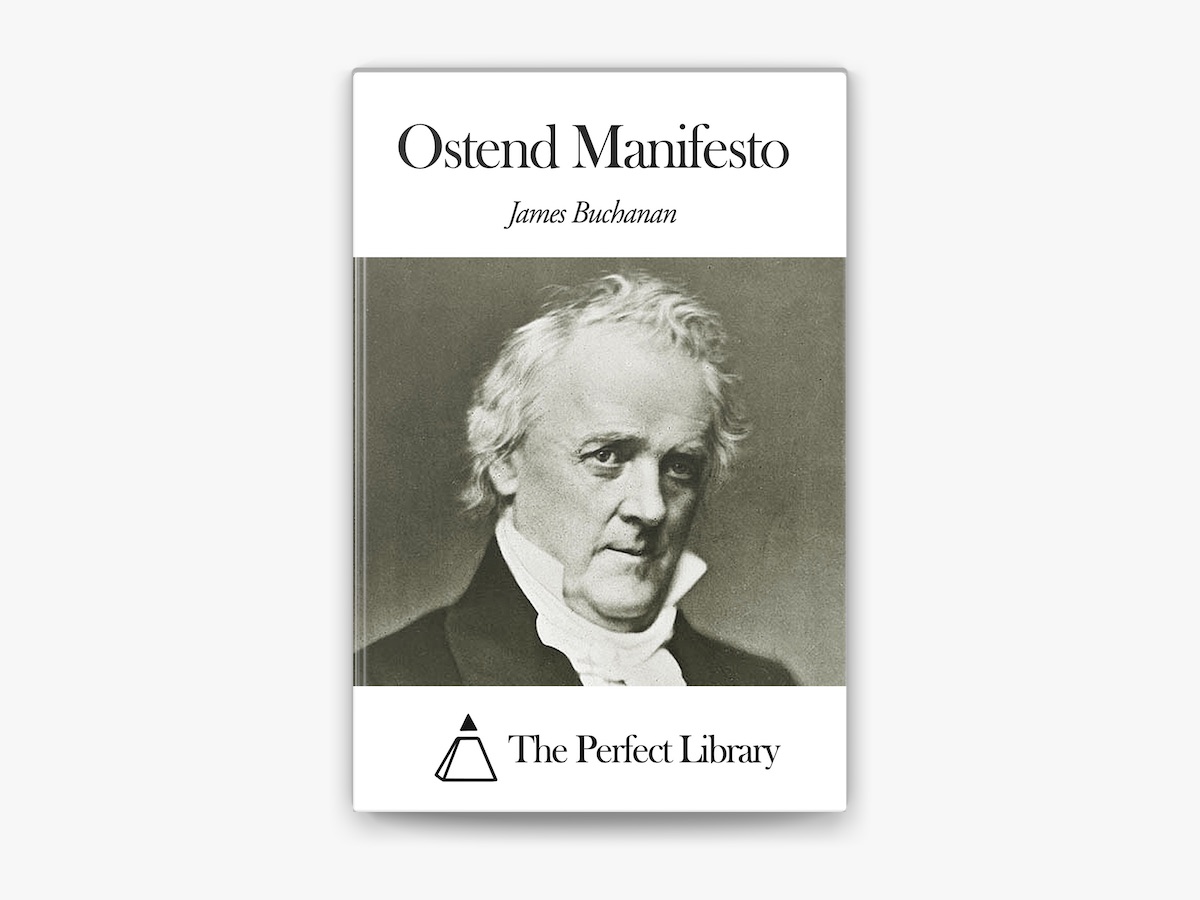
At the heart of the Ostend Manifesto were three American diplomats: James Buchanan, John Y. Mason, and Pierre Soulé. These men were stationed in Europe and tasked with negotiating the purchase of Cuba from Spain. Their strong pro-expansionist views influenced the aggressive language used in the manifesto.
James Buchanan, who later became president, played a crucial role by pushing for a firm stance on acquiring Cuba. Pierre Soulé was known for his fiery personality and outspoken support for Southern interests. Together, they drafted a document that reflected their collective frustration with Spain’s refusal to sell the island.
Influence Of President Pierce
President Franklin Pierce’s administration was a major driving force behind the Ostend Manifesto. Pierce supported the idea of expanding U.S. territory, especially in ways that would benefit the Southern states. His backing gave the diplomats the political cover to push for Cuba’s annexation aggressively.
Pierce believed that adding Cuba would strengthen the nation both economically and politically. He hoped it would also help maintain the balance of power between free and slave states. Without his support, the manifesto might not have gained the attention it did in Washington.
Role Of Southern Expansionists
Southern expansionists were some of the loudest voices pushing for the acquisition of Cuba. They saw the island as a perfect place to expand slavery and increase their political power in Congress. Their influence is clear in the manifesto’s tone and objectives.
These expansionists argued that Cuba’s climate and economy were suited for plantations, much like the Southern U.S. This created a direct link between their economic interests and foreign policy. When you consider their role, it’s easier to understand why the manifesto suggested using force if Spain refused to sell.
Main Points Of The Manifesto
The Ostend Manifesto, drafted in 1854, laid out clear and bold ideas about the United States’ intentions toward Cuba. Understanding its main points helps you grasp the mindset of American leaders at that time and the geopolitical tensions involved. The document mixes strategic arguments with diplomatic language, reflecting how serious the issue was.
Arguments For Acquiring Cuba
The manifesto argued that Cuba was vital for the U.S. because of its strategic location and economic potential. It claimed that owning Cuba would strengthen American security, particularly in the Gulf of Mexico. The authors also emphasized that Cuba’s annexation would benefit American trade and expand the influence of free states.
One key argument was that Cuba’s current rule under Spain was unstable and harmful to both Cubans and Americans. This instability was seen as a threat that justified U.S. intervention. If you think about it, they framed acquisition not just as expansion but as a protective measure.
Justifications For Potential Use Of Force
The manifesto didn’t shy away from the possibility of using force if Spain refused to sell Cuba. It suggested that if peaceful purchase failed, the U.S. had the right to take the island by force to prevent it from falling into hostile hands. This point reveals how far some American leaders were willing to go to secure strategic advantages.
This idea might surprise you since the document tries to sound reasonable but clearly leaves an open door for military action. It raises the question: how do you balance diplomacy with the threat of violence when national interests are at stake?
Diplomatic Tone And Language
Despite aggressive undertones, the manifesto uses careful and formal language aimed at justifying the U.S. position internationally. It appeals to principles like protecting American citizens and promoting stability in the region. This diplomatic tone was meant to reassure both domestic and foreign audiences that the U.S. acted responsibly.
The authors wanted to sound persuasive and lawful, not like warmongers. This mix of polite language and hardline demands shows how leaders tried to manage public opinion and international relations simultaneously. Have you noticed how language can shape the way we accept or reject bold political moves?

Credit: www.facebook.com
Domestic Reactions In The United States
The Ostend Manifesto sparked intense debate across the United States. Its proposal to acquire Cuba from Spain stirred strong emotions and highlighted existing tensions. Understanding how different groups reacted helps you see the deep divisions shaping America before the Civil War.
Support From Pro-slavery Factions
Pro-slavery advocates saw the Manifesto as a chance to expand slave territory. They believed adding Cuba would strengthen the South’s political power. For them, this was more than land—it was a way to protect their way of life.
Many Southern politicians openly backed the idea. They argued it was necessary to maintain the balance between free and slave states. This support wasn’t just political; it reflected a deep fear of losing influence in the Union.
Opposition From Abolitionists And Northern Politicians
On the other hand, abolitionists condemned the Manifesto. They saw it as an aggressive move to spread slavery further. Northern politicians worried it would lead to war with Spain and worsen sectional tensions.
The outrage among anti-slavery groups was intense. They used the Manifesto as proof of the South’s aggressive ambitions. This opposition revealed how divided the country had become over the issue of slavery.
Impact On Us Political Divisions
The Ostend Manifesto deepened political rifts in the United States. It pushed the debate over slavery into the spotlight and made compromise harder. You can see how this moment contributed to the growing divide that eventually led to the Civil War.
How would you react if your government proposed acquiring foreign land to protect a controversial institution? The Manifesto forces you to consider the lengths politicians might go to defend their interests. It also shows how policies can ignite passions and change a nation’s course.
International Response
The Ostend Manifesto sparked strong reactions across the world. Countries closely watched the United States’ intentions toward Cuba. The manifesto showed the U.S. might use force to acquire Cuba. This caused tension and concern among many nations.
Reaction From Spain
Spain saw the manifesto as a direct threat. Cuba was a valuable Spanish colony. Spanish leaders feared losing control over the island. They increased their military presence to protect it. Spain also sought support from European allies. The manifesto made Spain more cautious and defensive.
European Powers’ Views
European countries viewed the manifesto with suspicion. Many saw it as aggressive U.S. expansionism. Britain and France worried about changes in the balance of power. They feared the United States would grow too strong. Some European nations urged diplomacy over force. The manifesto created diplomatic friction with Europe.
Effect On Us Foreign Relations
The Ostend Manifesto harmed U.S. relations with several countries. It made the U.S. appear willing to use force for land. This worried both allies and rivals. The manifesto also increased tensions with Spain. It raised doubts about America’s commitment to peaceful diplomacy. Overall, it complicated U.S. foreign policy in the region.
Legacy And Historical Impact
The Ostend Manifesto left a deep mark on American history, shaping the nation’s direction in complex ways. Its legacy goes beyond the document itself, influencing politics, territorial ambitions, and national debates. Understanding this impact helps you see how ideas from the past still echo in discussions about power and expansion today.
Influence On Us Expansionism
The Ostend Manifesto pushed the idea that the United States had a right to expand aggressively, especially toward Cuba. It justified expansion with bold language about national security and economic growth. This mindset encouraged later actions like the annexation of Texas and the push toward the Pacific.
Thinking about your own goals, ask yourself: How far would you go to achieve what you believe is right? The manifesto shows the risks of letting ambition override diplomacy.
Contribution To Pre-civil War Tensions
The manifesto fueled fears in the North that the South wanted to extend slavery into new territories. This added to the already growing divide between free and slave states. Many Northerners saw it as proof of a Southern plot to dominate the government.
These tensions made compromise harder and pushed the country closer to civil war. The document’s impact reminds you that unchecked political moves can deepen divisions instead of solving problems.
Modern Interpretations And Critiques
Today, historians debate the Ostend Manifesto’s intentions and consequences. Some see it as a clear example of American imperialism and moral failure. Others argue it was a product of its time, reflecting common beliefs about power and destiny.
Reflect on how history judges controversial ideas. Does the manifesto warn you about the dangers of acting on assumptions without considering others’ perspectives? Its story encourages careful thought about ambition and ethics in decision-making.
Credit: www.bridgemanimages.com
Frequently Asked Questions
What Is The Ostend Manifesto’s Main Purpose?
The Ostend Manifesto aimed to justify U. S. acquisition of Cuba from Spain. It argued Cuba was vital for American security and interests. The manifesto suggested force if Spain refused to sell Cuba. It increased tensions over slavery and expansion in the 1850s.
Who Authored The Ostend Manifesto?
The Ostend Manifesto was authored by three American diplomats: James Buchanan, John Y. Mason, and Pierre Soulé. They met secretly in Ostend, Belgium, in 1854. Their goal was to promote U. S. expansion by acquiring Cuba from Spain.
Why Did The Ostend Manifesto Cause Controversy?
The manifesto caused controversy because it implied using military force to seize Cuba. It alarmed anti-slavery and abolitionist groups in the U. S. Many saw it as an attempt to expand slave territory. The document worsened sectional tensions before the Civil War.
How Did The Ostend Manifesto Affect U.s. Foreign Policy?
The Ostend Manifesto marked a shift toward aggressive expansionism in U. S. policy. It showed willingness to use force for territorial gain. However, after public backlash, the government distanced itself from the manifesto. It remains a key example of Manifest Destiny ideals.
Conclusion
The Ostend Manifesto showed how politics and power mix. It revealed the strong interest in expanding U. S. Territory. Many people disagreed about its ideas and goals. This event helped shape future debates about slavery and land. Understanding it gives us a clearer view of history.
It reminds us how past choices affect today’s world. A small document with a big impact on America’s story.

Similar Posts