What was the Communist Manifesto About: Unveiling Its Core
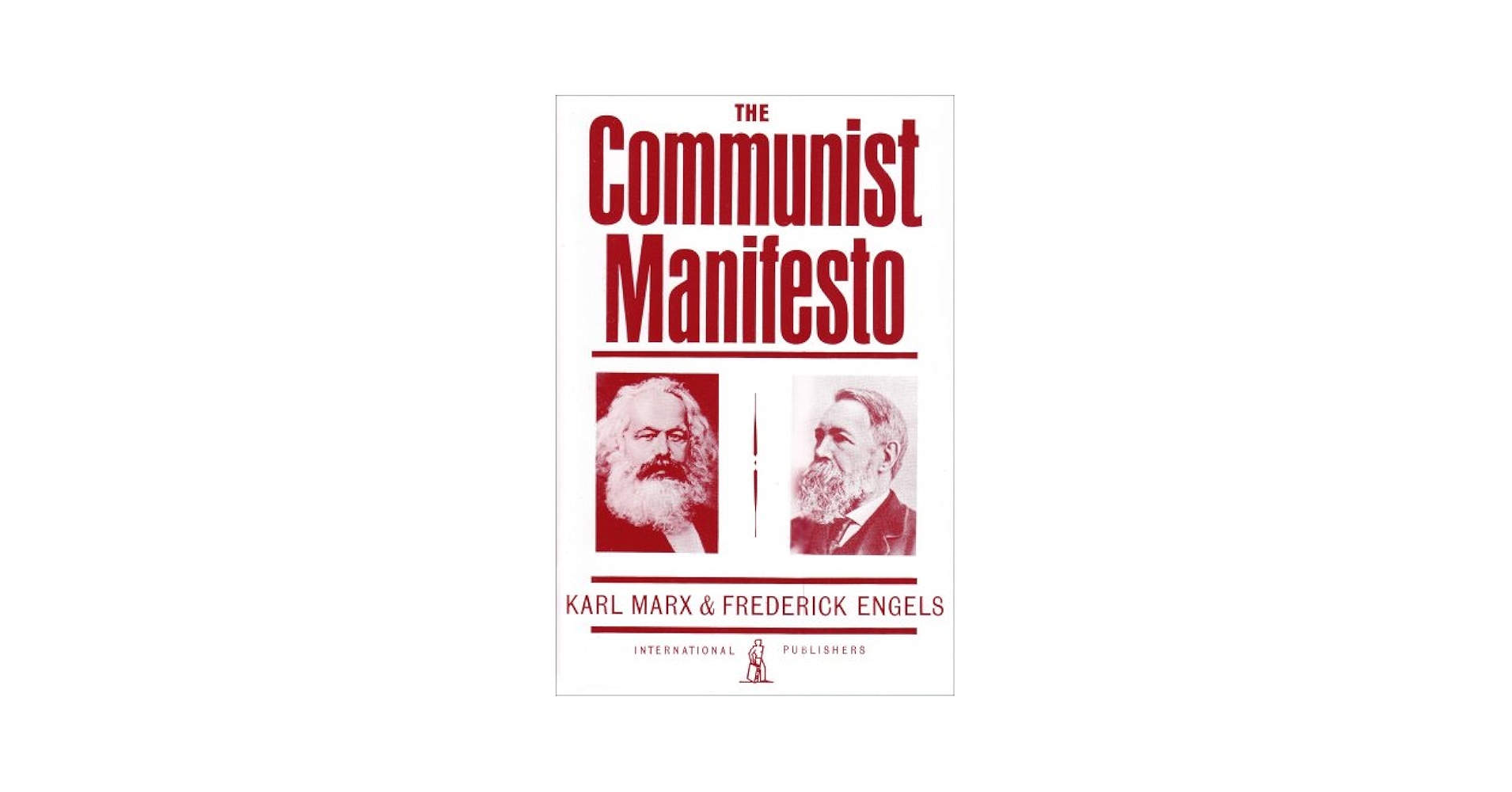
Have you ever wondered what the Communist Manifesto was really about? This famous document has shaped history, sparked debates, and changed the way many people think about society and power.
But what ideas does it actually share? And why does it still matter today? You’ll discover the core messages of the Communist Manifesto in simple terms. By the end, you’ll understand why it captured the attention of millions and why it might just change the way you see the world.
Keep reading—you won’t want to miss this.
Origins Of The Communist Manifesto
The origins of the Communist Manifestoreveal much about its powerful message and lasting impact. Understanding where and why it was written helps you grasp the urgency and passion behind its words. Let’s look at the historical backdrop and the minds behind this influential work.
Historical Context
The Communist Manifesto was published in 1848, a time of great social and political upheaval in Europe. Industrialization was transforming economies and societies, creating stark divides between wealthy factory owners and struggling workers.
People faced harsh working conditions, long hours, and little pay. This growing inequality sparked unrest and demands for change. The manifesto captured these tensions and aimed to address them head-on.
Have you ever noticed how economic shifts can create tension in society? This was exactly what was happening then—something that might feel familiar even today.
Authors And Purpose
The manifesto was written by Karl Marx and Friedrich Engels, two thinkers deeply concerned with justice and equality. They wanted to explain why the working class was oppressed and how society could be transformed.
Marx and Engels didn’t just write theory; they wanted to inspire action. Their goal was to unite workers worldwide and challenge the existing social order.
Think about the last time you felt inspired to support a cause. The manifesto aimed to spark that same sense of urgency and solidarity among its readers.

Credit: books.apple.com
Key Themes In The Manifesto
The Communist Manifesto dives deep into ideas that challenge how society is structured. Understanding its key themes helps you see why it made such a lasting impact. These themes revolve around how different groups in society interact and how history moves forward through these interactions.
Class Struggle
At the heart of the Manifesto is the idea of class struggle. Society is divided into classes that have opposing interests. This conflict drives social change and shapes the entire history of human society.
Think about your own community or workplace. Are there clear lines between those who have power and those who don’t? This struggle isn’t just in history books; it influences your daily life and decisions.
Bourgeoisie And Proletariat
The Manifesto identifies two main classes: the bourgeoisie and the proletariat. The bourgeoisie are the owners of production, while the proletariat are the workers who sell their labor. This relationship creates tension because the bourgeoisie benefit at the expense of the proletariat.
Have you ever felt like your work creates value that others take without fair reward? That feeling reflects this tension. Understanding these roles helps you see why the Manifesto calls for a change in power dynamics.
Historical Materialism
Historical materialism is the idea that material conditions and economic activities shape society’s development. The Manifesto argues that changes in how people produce goods lead to shifts in social structures. History moves through stages driven by economic forces, not just ideas or leaders.
Ask yourself: How do economic changes in your country affect your life and opportunities? Recognizing this theme makes you aware of the larger forces influencing your personal and community future.
Main Goals And Demands
The Communist Manifesto sets out clear goals and demands aimed at reshaping society. Its vision challenges existing power structures and calls for a new way of organizing economy and politics. Understanding these main points helps you grasp the core ideas behind this historic document.
Abolition Of Private Property
The Manifesto argues that private property is the root cause of social inequality. It demands the abolition of ownership of land and capital by individuals. Instead, property should belong to the community as a whole, ensuring that resources are shared fairly.
Think about how much wealth you see concentrated in a few hands. Does private ownership always benefit the majority? The Manifesto insists that ending private property will stop exploitation and create a more balanced society.
Role Of The State
The state is portrayed as a tool used by the ruling class to maintain control. The Manifesto calls for the working class to use the state to dismantle existing power structures. After this, the state should gradually wither away as a classless society emerges.
This idea raises questions: How can you trust a state to act in the interest of workers when it has historically protected the elite? The proposed solution is a temporary dictatorship of the proletariat, where workers hold political power until inequality disappears.
Workers’ Rights
Protecting and empowering workers is central to the Manifesto’s demands. It calls for better wages, reasonable working hours, and safe working conditions. Education and equal rights for all workers are also emphasized as essential steps.
Imagine your own workplace struggles—long hours, low pay, or unsafe conditions. The Manifesto aims to eliminate these problems by uniting workers to fight for their rights collectively. It encourages you to see your role in this larger movement for justice.

Credit: www.amazon.com
Impact On Society And Politics
The Communist Manifesto shook the foundations of society and politics worldwide. It challenged existing power structures and questioned the fairness of economic systems. Understanding its impact helps you see how ideas shape the world you live in.
Influence On Revolutions
The manifesto inspired many uprisings by calling for workers to unite against exploitation. It gave people a clear message: change is possible through collective action. This message fueled revolutions in places like Russia in 1917 and China in 1949.
These revolutions didn’t just change governments; they altered how societies viewed class and power. The idea that workers could overthrow ruling elites energized millions. Have you ever wondered how a simple pamphlet sparked such massive change?
Global Spread Of Communism
Communism spread far beyond Europe, reaching Asia, Africa, and Latin America. Countries adopted communist ideas to fight colonialism and economic inequality. This created new political alliances and rivalries during the 20th century.
Communism’s global reach also led to complex challenges, like Cold War tensions and internal conflicts. It forced nations to rethink governance and economic policies. What lessons can you draw from how these ideas moved across borders and cultures?
Criticism And Controversies
The Communist Manifestohas sparked intense criticism and controversies since its publication. While it offers a powerful critique of capitalism and proposes a classless society, many have questioned its practicality and outcomes. Understanding these debates helps you see why its ideas remain both influential and divisive today.
Debates On Implementation
One major criticism focuses on how the manifesto’s ideas were put into practice. Different countries attempted to apply communism with varying results, often leading to authoritarian regimes rather than the envisioned classless society.
Have you noticed how idealistic plans can clash with real-world politics? The tension between theory and practice raises questions about whether the manifesto underestimated human nature and power struggles.
Critics argue the manifesto’s call for revolution overlooked the complexities of governance, resulting in economic inefficiencies and loss of individual freedoms. Supporters, however, say these issues arose from flawed implementations, not the core ideas.
Economic And Social Challenges
The economic promises of the manifesto faced harsh realities. Centralized control of resources sometimes led to shortages, reduced innovation, and slower growth.
Socially, the manifesto’s vision of equality clashed with deep-rooted cultural and personal differences. How do you create unity without suppressing diversity or individual ambition?
These challenges reveal the difficulty in balancing collective good with personal rights. The manifesto ignites your curiosity about whether a perfect economic system is achievable or if trade-offs are inevitable.
Credit: www.penguinrandomhouse.com
Legacy Of The Communist Manifesto
The legacy of the Communist Manifestostretches far beyond its original 1848 publication. It not only shaped political ideologies but also sparked debates that continue to influence societies worldwide. Understanding its legacy helps you grasp how its ideas still resonate and challenge modern thinking.
Modern Interpretations
Today, the Communist Manifesto is viewed through many lenses. Some see it as a historical document explaining class struggles, while others use it to critique capitalism’s flaws. Scholars often highlight how Marx and Engels predicted issues like income inequality and worker exploitation.
But how does this affect your daily life? If you consider your job security or wage fairness, you’re touching on themes discussed in the manifesto. Activists and policymakers draw on its ideas to push for social reforms and labor rights.
Relevance Today
The manifesto still sparks debates about wealth distribution and power balance. In an era of global corporations and growing economic divides, its message feels surprisingly timely. You might ask yourself: Are current systems serving everyone fairly, or are there hidden inequalities?
Its relevance also appears in social movements advocating for workers’ rights and social justice. Even if you don’t identify as a communist, the manifesto encourages critical thinking about who benefits from economic systems. This perspective can guide your views on politics, economics, and social change.
Frequently Asked Questions
What Is The Main Theme Of The Communist Manifesto?
The Communist Manifesto focuses on class struggle and proletarian revolution. It critiques capitalism and promotes socialism as a path to equality and justice.
Who Wrote The Communist Manifesto And When?
Karl Marx and Friedrich Engels wrote the Communist Manifesto in 1848. It serves as a political pamphlet advocating for workers’ rights.
How Did The Communist Manifesto Impact Society?
The Manifesto inspired global socialist movements and labor reforms. It shaped political ideologies and influenced revolutions worldwide.
What Does The Communist Manifesto Say About Capitalism?
It argues capitalism exploits workers and creates inequality. The Manifesto calls for abolishing private property and establishing communal ownership.
Conclusion
The Communist Manifesto explained struggles between social classes. It called for workers to unite and change society. The text focused on ending poverty and unfair wealth. It remains important for understanding history and politics today. Many ideas still influence debates about fairness and work.
Reading it helps people learn why social change matters. It invites us to think about how societies grow. The Manifesto’s message stays relevant for many around the world. Simple yet powerful words that sparked big discussions. A key work to know for anyone studying society.

Similar Posts