
Have you ever wondered when Borderline Personality Disorder (BPD) first shows up in a person’s life? Understanding exactly when BPD manifests can help you recognize the signs early—whether for yourself or someone you care about.
Knowing this can make a huge difference in finding the right support and treatment sooner. Keep reading to discover the key moments when BPD symptoms usually appear and what to watch for. This knowledge could change the way you see your own experiences or those of someone close to you.

Credit: m.facebook.com
Symptoms In Childhood
Symptoms of Borderline Personality Disorder (BPD) can start showing in childhood. These early signs often appear as emotional and behavioral challenges. Recognizing them early can help in seeking support and care. Children with BPD symptoms may struggle with their feelings, actions, and relationships with others.
Emotional Instability
Children with BPD symptoms often show strong mood swings. Their emotions can change quickly from happy to sad or angry. These feelings may last for a short time but feel very intense. They might get upset easily over small problems. This emotional instability can make daily life hard for them.
Impulsive Behavior
Impulsivity is common in children with BPD symptoms. They may act without thinking about the results. This can include sudden anger outbursts or risky actions. They might have trouble controlling their urges or delaying gratification. Impulsive behavior can cause trouble at school or home.
Difficulty In Relationships
Children showing BPD signs often find it hard to keep friends. They may fear being abandoned or rejected. This fear can cause them to act in ways that push others away. They might misunderstand social cues or react strongly to criticism. These challenges make building trust difficult.
Credit: www.lemon8-app.com
Signs During Adolescence
Signs of Borderline Personality Disorder (BPD) often become clear during adolescence. This period is marked by many changes, making it hard to spot BPD traits. Recognizing these signs early can help in managing symptoms better. Adolescents with BPD may show distinct behaviors and emotions that differ from typical teenage mood swings.
Mood Swings
Adolescents with BPD often experience intense mood swings. Their emotions can change quickly without clear reason. One moment they may feel happy, and the next, deeply sad or angry. These shifts last for hours or days, not just minutes. This emotional instability can be confusing for both the teen and their family.
Risky Activities
Younger people with BPD may take part in risky behaviors. These can include reckless driving, unsafe sex, or substance use. Such actions often happen when they feel empty or bored. They might seek excitement to escape painful feelings. These behaviors can cause real harm and need attention.
Identity Struggles
Adolescents with BPD often struggle with their sense of self. They may feel unsure about who they are or what they want. This confusion can cause sudden changes in goals, values, or friendships. They might say one thing one day and the opposite the next. This unstable identity adds to their emotional pain and stress.
Early Adult Indicators
Early adulthood can reveal signs that point toward Borderline Personality Disorder (BPD). These indicators are often subtle but persistent, affecting your daily life and relationships. Recognizing these signs early can help you seek support and manage the challenges more effectively.
Intense Fear Of Abandonment
You might notice overwhelming anxiety when you think someone important to you might leave. This fear isn’t just worry; it can trigger desperate attempts to avoid real or imagined separation. Have you ever felt panic over a friend not replying quickly, even though there was no clear reason for concern?
This fear can cause you to act impulsively or cling tightly in relationships, sometimes pushing others away instead of bringing them closer. Understanding this pattern is key to breaking it.
Unstable Self-image
Your sense of who you are can feel like it’s constantly shifting. One day you feel confident and purposeful, and the next, uncertain and worthless. This instability makes it hard to set goals or maintain steady relationships.
Think about how often you question your values, interests, or even your appearance. This confusion isn’t just typical self-doubt—it can disrupt your ability to make consistent decisions and feel grounded.
Chronic Feelings Of Emptiness
You may experience a persistent inner void that nothing seems to fill. This emptiness can feel isolating and lead you to seek out risky behaviors just to feel something. Have you noticed moments where you feel numb, as if you’re watching life from the outside?
Recognizing this feeling as part of BPD can help you find healthier ways to cope, like creative outlets or supportive conversations.
Factors Influencing Onset
Understanding the factors influencing the onset of Borderline Personality Disorder (BPD) can help you recognize early signs and seek timely support. The way BPD manifests varies widely, shaped by a mix of inherited traits, life experiences, and emotional challenges. Let’s explore these key influences to give you a clearer picture of how BPD begins to take hold.
Genetic Predisposition
Your genetic makeup plays a significant role in how likely you are to develop BPD. Studies show that if a close family member has BPD or similar mental health conditions, your risk increases. This doesn’t mean you’re destined to have BPD, but your genes can make your brain more sensitive to emotional triggers.
Think about it like inheriting a tendency to react more intensely to stress. This genetic sensitivity can influence your mood swings, impulsivity, and difficulty in relationships.
Environmental Triggers
The environment you grow up in can strongly affect when and how BPD symptoms appear. Unstable family dynamics, neglect, or inconsistent caregiving can create emotional confusion and insecurity early in life. These conditions can push someone with a genetic predisposition closer to developing BPD.
Have you noticed how some people seem more affected by their surroundings? It’s because their early environment shapes their ability to regulate emotions and trust others, which are often challenges in BPD.
Trauma And Stress
Traumatic experiences, especially in childhood, often act as catalysts for BPD onset. Physical, emotional, or sexual abuse can leave deep emotional scars that disrupt how you process feelings and form relationships. Ongoing stress during adolescence or adulthood can also trigger or worsen symptoms.
If you’ve faced trauma, it’s important to understand that your reactions are not weaknesses but signals of your mind trying to protect itself. How you handle stress and trauma can influence when BPD symptoms surface and how severe they become.
Challenges In Early Detection
Detecting Borderline Personality Disorder (BPD) early can be tough. Many signs appear similar to other mental health issues, making it tricky to spot BPD quickly. This delay can affect how well someone gets help and support.
Symptom Overlap With Other Disorders
Many symptoms of BPD, like mood swings and impulsive behavior, also show up in conditions such as bipolar disorder or depression. This overlap can confuse both patients and doctors.
Imagine feeling intense emotions and struggling with relationships but being told it’s just anxiety or depression. This mix-up can leave you wondering why your treatment isn’t working.
To improve early detection, it’s important to look at the full picture, including patterns in relationships and self-image, not just mood changes.
Stigma And Misdiagnosis
Stigma around personality disorders can stop people from seeking help or even admitting they have symptoms. Sometimes, doctors might hesitate to diagnose BPD because of this stigma.
Misdiagnosis happens when symptoms are mistaken for other disorders, leading to treatments that don’t fit your needs. This can be frustrating and discouraging.
Have you ever felt labeled or misunderstood when talking about mental health? Recognizing this challenge is the first step toward getting the right support.
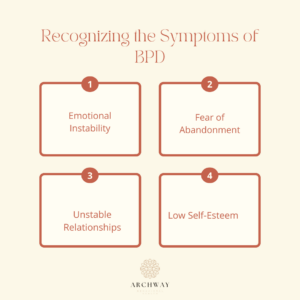
Credit: archwaybehavioralhealth.com
Importance Of Early Intervention
Recognizing the signs of Borderline Personality Disorder (BPD) early can change the entire course of your life or the life of someone you care about. Early intervention offers a chance to manage symptoms before they become overwhelming. It can help you regain control and build healthier relationships sooner.
Benefits Of Timely Treatment
Starting treatment early often leads to better outcomes. You might experience fewer mood swings, less impulsive behavior, and improved emotional regulation. Early care can also reduce the risk of self-harm and suicidal thoughts.
When treatment begins promptly, you have more opportunities to develop coping skills and understand your emotions. This can prevent the disorder from disrupting your education, work, or personal life. Imagine how different things could feel if you had support before hitting a crisis point.
Therapeutic Approaches
Several effective therapies exist for BPD, especially when started early. Dialectical Behavior Therapy (DBT) focuses on mindfulness and emotional regulation. It helps you build skills to handle stress and improve relationships.
Cognitive Behavioral Therapy (CBT) can also be useful in changing negative thought patterns. Sometimes, medication is prescribed to help with mood swings or anxiety. The key is finding a tailored approach that fits your unique needs.
Have you thought about reaching out for help before symptoms take over? Early intervention isn’t just a medical step—it’s a chance to reclaim your life and shape your future.
Frequently Asked Questions
When Does Bpd Usually Begin To Show Symptoms?
BPD symptoms often start in late adolescence or early adulthood. Early signs may include mood swings and impulsive behavior. Diagnosis typically occurs by the mid-20s when patterns become clearer and more consistent.
What Triggers Bpd Symptoms To Manifest?
Stressful life events, trauma, or unstable relationships often trigger BPD symptoms. Emotional sensitivity and difficulty managing stress can worsen symptoms. Early intervention can help manage these triggers effectively.
Can Bpd Symptoms Appear Suddenly?
BPD symptoms usually develop gradually over time. However, intense emotional episodes may seem sudden to outsiders. Consistent patterns of mood instability and behavior changes are key indicators.
How Is Early Bpd Diagnosis Beneficial?
Early diagnosis allows for timely treatment, reducing symptom severity. It improves coping strategies and emotional regulation. Early therapy can enhance long-term outcomes and quality of life.
Conclusion
BPD often shows signs in late teens or early adulthood. Early symptoms can be subtle and easy to miss. Understanding when BPD appears helps with early support. Getting help early can improve life quality significantly. Remember, everyone’s experience with BPD is different.
Awareness and patience are key to managing it well. Stay informed and reach out for guidance if needed. Small steps lead to better mental health over time.