Which of the Following is a Clinical Manifestation of Hypothyroidism: Key Insights

Are you wondering if your symptoms could be related to hypothyroidism? Knowing the signs is key to getting the right help early.
Hypothyroidism can affect your body in many ways, but which symptoms should you watch out for? You’ll discover the common clinical manifestations of hypothyroidism, helping you understand what your body might be telling you. Keep reading to find out how to recognize these signs and take control of your health today.
Common Symptoms
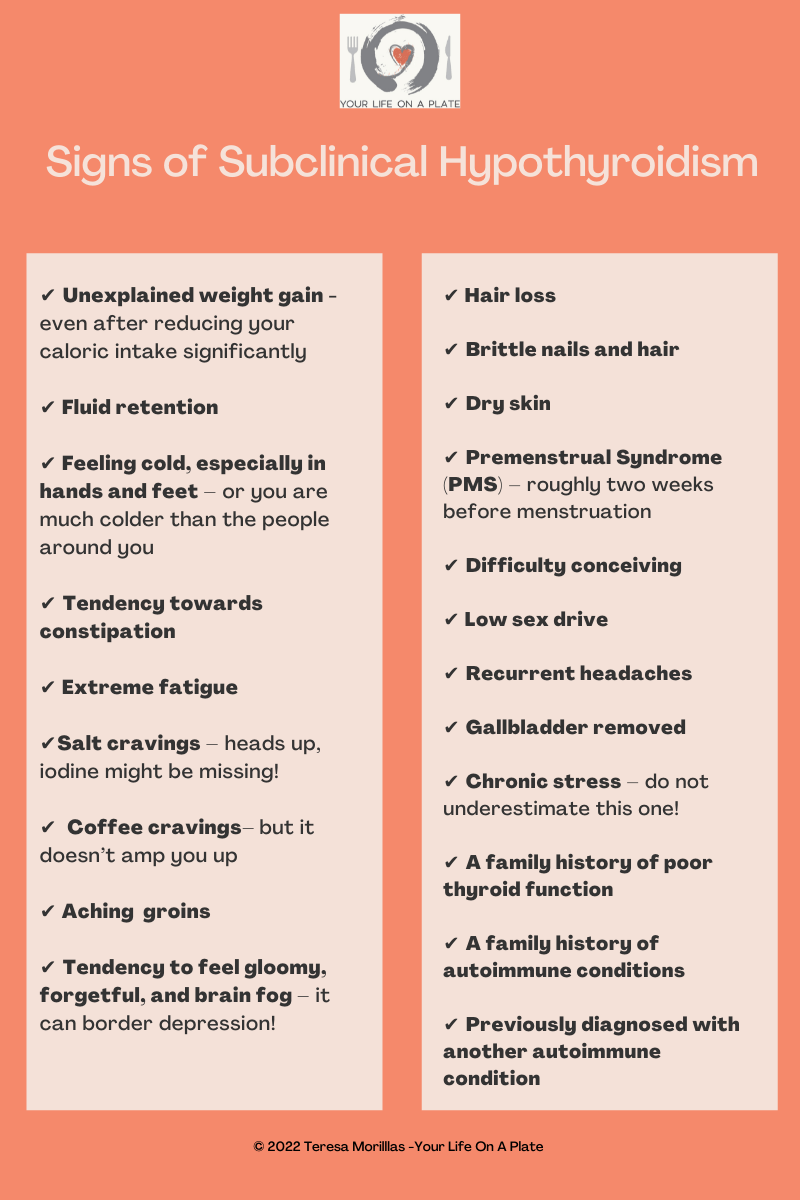
Hypothyroidism causes several common symptoms that affect daily life. These signs appear because the thyroid gland produces less hormone than the body needs. Knowing these symptoms helps identify the condition early. They often develop slowly and may be mistaken for other health issues.
Fatigue And Weakness
Feeling tired all the time is a typical symptom. The body’s energy level drops due to low thyroid hormone. Muscles may feel weak and sore without much activity. Simple tasks can become exhausting and reduce productivity.
Weight Gain
Unexpected weight gain is common in hypothyroidism. The body’s metabolism slows down and burns fewer calories. Even with no change in diet or exercise, weight can increase. This symptom can cause frustration and affect self-esteem.
Cold Intolerance
People with hypothyroidism often feel cold, even in warm places. Low hormone levels affect the body’s ability to generate heat. Hands and feet may feel cold or numb. This sensitivity to cold is a clear sign of reduced thyroid function.

Credit: www.facebook.com
Skin And Hair Changes
Hypothyroidism affects the skin and hair in visible ways. These changes happen because low thyroid hormone slows down body functions. Skin and hair show early signs of this condition. Recognizing these symptoms helps with early diagnosis and care.
Dry Skin
Skin becomes dry and rough in hypothyroidism. The body produces less oil, causing dryness. Cracks and flakiness often appear. This dryness can lead to itching and discomfort. Moisturizing regularly is important for relief.
Hair Thinning
Hair loss is common with hypothyroidism. Hair becomes thinner and falls out more easily. This happens because hair growth slows down. Thinning hair may affect the scalp and eyebrows. Early treatment can reduce hair loss.
Coarse Hair Texture
Hair texture changes to become coarse and brittle. Hair feels rougher and breaks more often. This change results from poor nourishment of hair follicles. Hair looks dull and lifeless. Proper thyroid care helps restore hair quality.
Cognitive And Mood Effects
The cognitive and mood effects of hypothyroidism impact daily life in many ways. These symptoms often develop slowly and can be subtle. They affect thinking, memory, and emotional well-being. Understanding these changes helps in recognizing hypothyroidism early. It also guides proper treatment and support.
Memory Problems
Memory issues are common in hypothyroidism. People may forget simple things like names or appointments. This happens because the brain slows down. The lack of thyroid hormone affects how well the brain processes and stores information. Memory lapses can cause frustration and anxiety.
Depression
Depression is a frequent mood effect of hypothyroidism. Feelings of sadness and low energy may last for weeks or months. The hormone imbalance changes brain chemicals linked to mood regulation. This can lead to a loss of interest in activities once enjoyed. Sometimes, depression appears before other symptoms.
Slow Speech
Speech may become slow and soft in hypothyroidism. It feels harder to find the right words quickly. The muscles used for speaking may also feel weak or stiff. This slows down the speed and clarity of speech. Others might notice the change before the person does.
Credit: medium.com
Cardiovascular Signs
Hypothyroidism can quietly affect your heart and blood vessels, often causing changes that might surprise you. These cardiovascular signs are important to recognize because they can influence your overall health and how you feel day-to-day. Understanding these symptoms helps you spot issues early and seek timely care.
Bradycardia
One common cardiovascular sign of hypothyroidism is bradycardia, which means a slower than normal heart rate. Your heart may beat fewer than 60 times per minute, making you feel tired or dizzy. Have you noticed your pulse slowing down without any obvious reason? This can be a clue that your thyroid isn’t producing enough hormones.
Low Blood Pressure
Hypothyroidism can also cause your blood pressure to drop below normal levels. This low blood pressure might leave you feeling weak or faint, especially when you stand up quickly. If you find yourself experiencing unexplained lightheadedness, it’s worth checking your thyroid function as part of the investigation.
Pericardial Effusion
In some cases, hypothyroidism leads to fluid buildup around the heart, called pericardial effusion. This can cause chest discomfort or shortness of breath, which might be mistaken for other heart problems. Have you ever wondered why your doctor orders an ultrasound of your heart when you have thyroid issues? Detecting this fluid early can prevent more serious complications.
Gastrointestinal Manifestations
Gastrointestinal symptoms often appear quietly but have a strong impact on daily life when you have hypothyroidism. These symptoms result from the slowed metabolism that affects how your digestive system functions. Recognizing these signs can help you seek timely treatment and improve your comfort significantly.
Constipation
Constipation is one of the most common gastrointestinal complaints linked to hypothyroidism. Your body’s slower metabolic rate means your intestines move waste more sluggishly, causing discomfort and irregular bowel movements.
If you’ve noticed a sudden change in your bathroom habits, especially if you feel bloated or straining more than usual, it might be worth checking your thyroid levels. Small changes like increasing fiber in your diet or drinking more water can help, but addressing the root cause is key.
Decreased Appetite
Many people with hypothyroidism experience a reduced desire to eat, which might seem surprising given the fatigue and low energy levels. This decrease in appetite happens because your digestive system slows down, and your body signals less hunger.
Have you found yourself skipping meals or eating less without trying? This can lead to unintended weight changes and nutrient deficiencies, so it’s important to monitor your eating habits closely and discuss them with your healthcare provider.
Neuromuscular Symptoms
Neuromuscular symptoms often appear in hypothyroidism due to slowed metabolism. These symptoms affect muscles and nerves, causing discomfort and reduced function. They are common signs that help doctors recognize thyroid issues early.
Muscle Cramps
Muscle cramps happen frequently in hypothyroidism. Low thyroid hormone levels reduce muscle energy. This causes muscles to tighten and cramp easily. Patients often feel sudden, painful muscle contractions.
Paresthesia
Paresthesia means unusual skin sensations like tingling or numbness. Hypothyroidism can slow nerve signals, causing this feeling. It often affects hands and feet, making them feel “pins and needles.”
Delayed Reflexes
Reflexes slow down in hypothyroid patients. Doctors test this by tapping tendons with a hammer. The muscle response takes longer than normal. This delay indicates nerve and muscle function changes.
Reproductive And Menstrual Changes
Hypothyroidism affects many body systems, including the reproductive system. Women often notice changes in their menstrual cycles and fertility. These changes occur because thyroid hormones influence reproductive hormones. Understanding these symptoms helps in early diagnosis and management.
Menstrual Irregularities
Hypothyroidism can cause periods to become irregular. Some women experience heavier bleeding, known as menorrhagia. Others may have lighter or fewer periods, called oligomenorrhea. Sometimes, periods stop completely, a condition called amenorrhea. These changes happen because low thyroid hormone affects the balance of reproductive hormones. The menstrual cycle becomes unpredictable and can cause discomfort.
Infertility
Low thyroid hormone levels can reduce fertility in women. Hypothyroidism disrupts ovulation, making it harder to conceive. It can also increase the risk of miscarriage. The body’s hormone imbalance affects the uterus lining, preventing proper embryo implantation. Treating hypothyroidism often improves fertility and chances of pregnancy. Early diagnosis is important for women planning to have children.
Diagnostic Clues
Recognizing hypothyroidism early can make a significant difference in managing your health effectively. Diagnostic clues provide essential insights that help identify this condition before symptoms worsen. Paying close attention to both physical signs and lab results can guide you toward timely treatment and better outcomes.
Physical Exam Findings
During a physical exam, doctors look for specific signs that hint at hypothyroidism. You might notice a slow heart rate or dry, coarse skin. Swelling in the face or around the eyes is common, and your reflexes could be slower than usual.
Another key sign is a puffy tongue or hoarseness in your voice. Your thyroid gland may feel enlarged or firm when touched. Simple checks like these can reveal a lot about your thyroid function before lab tests confirm it.
Lab Test Indicators
Lab tests provide concrete evidence of hypothyroidism. The most important test measures thyroid-stimulating hormone (TSH). If your TSH level is high, it means your thyroid isn’t producing enough hormones.
Additionally, low levels of free thyroxine (T4) confirm the diagnosis. Sometimes, doctors check thyroid antibodies to see if an autoimmune condition is causing the problem. Tracking these numbers helps you and your doctor tailor the right treatment plan.
Credit: www.droracle.ai
Frequently Asked Questions
What Are Common Symptoms Of Hypothyroidism?
Common symptoms include fatigue, weight gain, cold intolerance, dry skin, constipation, and depression. These signs result from low thyroid hormone levels affecting metabolism and body functions.
How Does Hypothyroidism Affect The Skin?
Hypothyroidism often causes dry, rough, and pale skin. Reduced thyroid hormones slow down skin cell turnover and decrease oil production, leading to these skin changes.
Can Hypothyroidism Cause Hair Loss?
Yes, hypothyroidism can cause hair thinning or hair loss. Low thyroid hormone levels disrupt the hair growth cycle, leading to hair shedding and slower regrowth.
Is Constipation A Clinical Sign Of Hypothyroidism?
Constipation is a common clinical manifestation of hypothyroidism. Slowed metabolism affects digestive motility, causing infrequent and difficult bowel movements in affected individuals.
Conclusion
Hypothyroidism shows many clear signs on the body. Fatigue, weight gain, and cold sensitivity are common symptoms. Dry skin and hair loss also often appear. Understanding these signs helps catch the condition early. Early treatment improves health and quality of life.
Watch for changes and talk to a doctor soon. Knowing the symptoms makes managing hypothyroidism easier. Take care of your thyroid for better overall wellness.

Similar Posts