Who Started the Manifest Destiny: Uncovering Its Roots
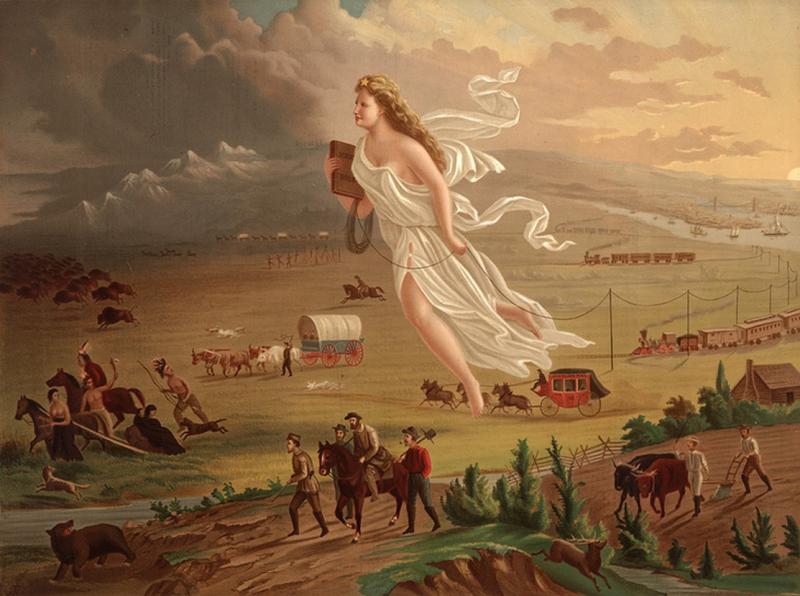
Have you ever wondered who first sparked the idea of Manifest Destiny? This powerful belief shaped the history of the United States and changed the map forever.
Understanding who started it helps you see how a simple idea grew into a movement that fueled expansion, conflict, and change. If you want to uncover the story behind Manifest Destiny and why it mattered so much, keep reading—you’re about to discover the roots of one of America’s most important chapters.
Credit: m.facebook.com
Origins Of Manifest Destiny
The origins of Manifest Destiny trace back to a powerful mix of ideas and ambitions that shaped early America. It wasn’t just about land; it reflected a mindset deeply rooted in the nation’s identity and future goals. Understanding where this belief started helps you see why it became such a driving force in American history.
Early American Expansion Ideas
Long before the term “Manifest Destiny” was coined, many Americans believed the country was meant to grow across the continent. This idea wasn’t new; it was inspired by earlier dreams of expanding beyond the original 13 colonies.
People thought it was natural and even necessary to spread their way of life westward. This belief was tied to hopes for economic opportunity and new beginnings. You might find it surprising how much early settlers saw themselves as pioneers, not just in land but in culture and values.
Have you ever wondered why people risked everything to move west? Their motivation wasn’t just survival—it was a vision of progress and control over a vast, untapped land.
Political Climate In The 19th Century
The 19th century was full of political energy that fueled expansionist ideas. Leaders and citizens alike debated the best way to grow the nation while balancing power between states and the federal government.
Issues like slavery, economic interests, and international relations made expansion a hot topic. Politicians used the idea of Manifest Destiny to rally support for policies that pushed the U.S. borders further west.
This era shows how politics can shape a country’s direction profoundly. What lessons do you think today’s leaders could learn from how these debates influenced America’s growth?
Key Figures Behind The Movement
The Manifest Destiny movement wasn’t born out of thin air. It grew from the ideas and efforts of several key figures who pushed the vision of America expanding from coast to coast. Understanding who these individuals were helps you grasp how powerful ideas can shape a nation’s future.
Journalists And Influencers
Journalists played a huge role in spreading the idea of Manifest Destiny. They wrote passionate articles that made the concept popular among everyday Americans. One notable figure was John L. O’Sullivan, who coined the term “Manifest Destiny” in 1845.
O’Sullivan’s writings framed expansion as a divine right and a duty. His words inspired many to support westward growth. Can you see how powerful writing can influence public opinion and national policies?
Other newspapers and pamphlets also fueled the movement by highlighting the opportunities waiting in the West. This media coverage created excitement and hope, encouraging settlers to move westward.
Political Leaders’ Roles
Political leaders didn’t just watch the movement; they actively shaped it. President James K. Polk is often remembered as the driving force behind Manifest Destiny.
Polk pushed for the annexation of Texas, the Oregon Territory, and the acquisition of California and New Mexico after the Mexican-American War. His clear focus on expansion made the idea of Manifest Destiny a government priority.
Other politicians supported these goals through laws and treaties. Their decisions made it easier for settlers to claim land and for the country to grow. Have you ever thought about how leadership commitment can turn an idea into reality?
Cultural And Social Drivers
The idea of Manifest Destiny grew from deep cultural and social roots. It was more than just land expansion. It reflected the beliefs, hopes, and fears of many Americans. These drivers shaped the mindset that America was destined to stretch across the continent.
People felt a strong connection to their religion and saw expansion as a divine plan. They also sought better economic chances. These factors combined to push the nation forward.
Religious Motivations
Many Americans believed God supported their expansion. They thought spreading Christianity was a sacred duty. This belief gave them confidence and a sense of mission.
Churches often encouraged settlers to move west. They saw the frontier as a place to bring faith to new people. This religious drive helped fuel the passion behind Manifest Destiny.
Economic Incentives
Economic hopes played a big role in pushing westward. Land was cheap and plentiful, attracting farmers and workers. People dreamed of owning land and improving their lives.
New territories promised jobs, resources, and trade opportunities. Many believed expansion would make the country richer and stronger. This hope motivated many to support Manifest Destiny.
Manifest Destiny In Action
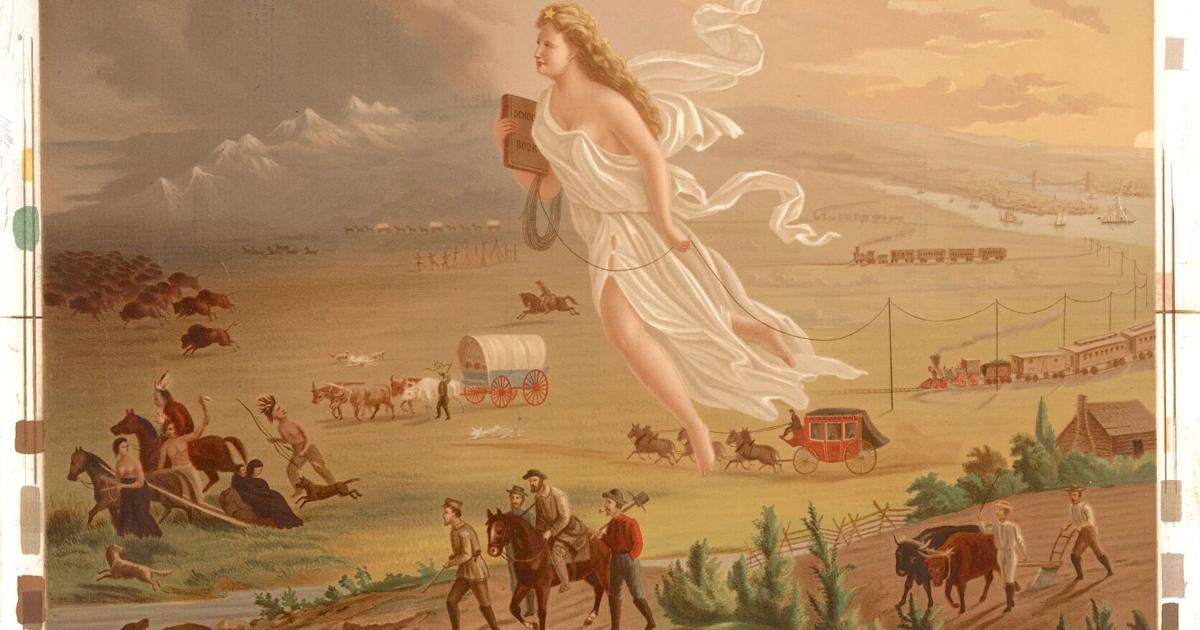
The idea of Manifest Destiny wasn’t just a slogan; it became a powerful force that shaped the growth of the United States. It pushed the nation to expand its borders relentlessly, believing it was their right and duty to spread across the continent. This drive led to significant changes in the country’s map and had deep consequences for many communities.
Territorial Acquisitions
Manifest Destiny fueled major land gains for the U.S. The Louisiana Purchase doubled the country’s size, and later, the annexation of Texas and the Oregon Territory extended the nation further west. The Mexican-American War ended with the Treaty of Guadalupe Hidalgo, adding vast territories including California and the Southwest.
These acquisitions weren’t random; they were strategic moves to control valuable land and resources. Think about how different your life might be if these areas had remained outside U.S. control. How would your state’s culture, economy, or even language be affected?
Impact On Native Populations
The expansion under Manifest Destiny had devastating effects on Native American tribes. As settlers moved west, indigenous peoples were forced off their ancestral lands through treaties often broken or misunderstood. Many faced violence, displacement, and loss of their way of life.
Imagine the trauma of watching your community uprooted repeatedly. This wasn’t just a physical loss but a cultural one, erasing traditions and histories. When you consider the legacy of Manifest Destiny, how do you think these experiences shape current Native American issues?
Legacy Of Manifest Destiny
The legacy of Manifest Destiny shaped the United States in many ways. It fueled westward expansion and changed the nation’s geography and culture. The belief in a divine right to spread across the continent left a lasting mark on American history.
This idea pushed settlers to move west, influencing laws and policies. It also impacted Native American communities and Mexico. The effects of Manifest Destiny still spark discussion today.
Long-term Effects On U.s. Borders
Manifest Destiny led to major changes in U.S. borders. The country grew larger with new territories added. These included Texas, California, and the Oregon Territory.
- The Louisiana Purchase expanded the land westward.
- The Mexican-American War resulted in the Treaty of Guadalupe Hidalgo.
- This treaty gave the U.S. lands in the southwest.
- The Oregon Treaty set the northern border with Canada.
These expansions created the map of the U.S. as known today. They opened new opportunities for settlement and growth. At the same time, they caused conflicts over land and resources.
Historical Debates And Perspectives
Historians debate the meaning and impact of Manifest Destiny. Some see it as a positive force for growth and progress. Others highlight its role in displacing Native Americans and causing war.
Different perspectives show the complexity of this idea. It can be viewed as both ambition and aggression. The legacy includes stories of courage and tragedy.
Understanding these debates helps explain America’s past. It shows how ideas influence actions and shape nations.
Credit: pastorbhart.medium.com
Credit: www.aspendailynews.com
Frequently Asked Questions
Who First Coined The Term Manifest Destiny?
The term “Manifest Destiny” was first coined by journalist John L. O’Sullivan in 1845. He used it to justify American expansion westward, believing it was the nation’s divine right and destiny to spread across the continent.
What Inspired The Idea Of Manifest Destiny?
Manifest Destiny was inspired by a belief in American cultural and political superiority. It combined nationalism, the desire for economic growth, and a mission to spread democracy and civilization across North America.
Which U.s. President Supported Manifest Destiny Most?
President James K. Polk strongly supported Manifest Destiny. His administration aggressively pursued territorial expansion, including the annexation of Texas and the Oregon Territory, fulfilling much of the Manifest Destiny vision.
How Did Manifest Destiny Affect Native Americans?
Manifest Destiny led to the forced removal and displacement of many Native American tribes. It resulted in significant loss of land, culture, and lives due to westward expansion and settler encroachment.
Conclusion
The idea of Manifest Destiny started with strong beliefs in growth. Many leaders and writers shared the vision of expanding the nation. They saw it as a duty to spread freedom and land. This belief shaped America’s history and borders.
Understanding who began Manifest Destiny helps us learn about the country’s past. It shows how ideas can change a nation’s path. The story of Manifest Destiny is a key part of U. S. History. It reminds us how vision and action connect in shaping the future.

Similar Posts