Who Wrote Manifest Destiny: Unveiling the Visionary
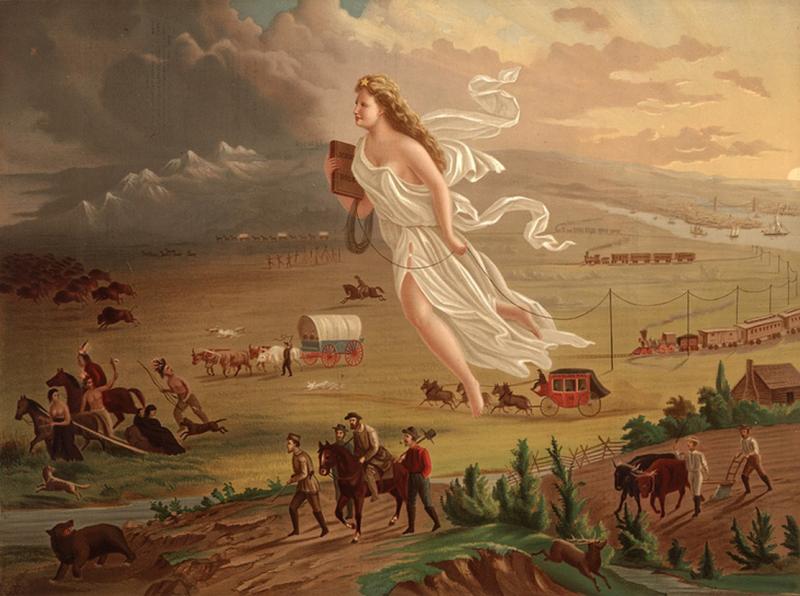
Have you ever wondered who wrote the idea behind Manifest Destiny? This powerful phrase shaped a whole era in American history and changed the country forever.
Understanding who first put these words on paper helps you see why this belief became so important. You’ll discover the person behind Manifest Destiny and why their words still matter today. Keep reading to unlock the story that shaped a nation—and why it should matter to you.
Origins Of Manifest Destiny
The idea of Manifest Destiny shaped much of America’s 19th-century history. It described the belief that the United States was meant to expand across the continent. This belief was not born overnight. It grew from earlier thoughts and the political mood of the time. Understanding these roots helps us see why Americans embraced expansion so strongly.
Early American Expansion Ideas
Before Manifest Destiny became a popular term, many Americans already dreamed of expansion. Settlers moved west for land and opportunity. The idea of spreading freedom and democracy was strong. Some believed it was their duty to bring progress to new lands. These ideas built the foundation for the bigger belief in expansion.
Political Climate In The 19th Century
The 1800s were a time of change and growth for the United States. Politicians debated the country’s future and its borders. The government supported westward movement through laws and treaties. Conflicts with Native Americans and other nations shaped policies. The push for new states and territories grew with public support. This political environment made Manifest Destiny a powerful idea.

Credit: www.amazon.com
Key Figures Behind The Vision
The idea of Manifest Destiny shaped much of 19th-century America. This belief held that the United States should expand across the continent. Several key figures played major roles in creating and spreading this vision. Their ideas and actions helped define the country’s direction and goals.
These individuals came from different backgrounds. Writers, politicians, and thinkers all contributed to the rise of Manifest Destiny. Their efforts combined to make this concept a powerful force in American history.
John L. O’sullivan’s Role
John L. O’Sullivan coined the term “Manifest Destiny” in 1845. He was a newspaper editor and writer. O’Sullivan believed the U.S. had a divine right to expand westward. His words inspired many Americans to support territorial growth.
O’Sullivan argued expansion would spread freedom and democracy. He saw it as a mission from God. His writings gave clear voice to the idea that expansion was both justified and necessary.
Influential Politicians And Thinkers
Many politicians backed Manifest Destiny. President James K. Polk strongly supported expansion. He pushed for the annexation of Texas and the Oregon Territory. Polk’s leadership helped turn ideas into action.
Other leaders, like Senator Thomas Hart Benton, also promoted growth. Benton believed expanding the U.S. economy and land was vital. Thinkers and politicians shared a vision of a larger, stronger nation.
- Henry Clay opposed some expansion but shaped the debate
- Democratic Party leaders often embraced Manifest Destiny
- Some abolitionists and critics challenged the idea
Manifest Destiny In Popular Media
Manifest Destiny was more than just a political idea; it was a story told and retold across various media that shaped how people saw America’s future. From newspapers to novels, the concept found its way into popular culture, influencing beliefs and actions. Understanding how Manifest Destiny appeared in popular media helps you see how powerful storytelling can be in shaping public opinion and national identity.
Newspaper Articles And Editorials
Newspapers played a crucial role in spreading the idea of Manifest Destiny. Editors and writers often used bold headlines and persuasive language to argue that expanding the United States was both natural and necessary. These articles didn’t just report facts; they framed expansion as a moral duty and a sign of progress.
Many newspapers published maps showing the U.S. stretching from coast to coast, which made the idea seem inevitable and exciting. Editorials frequently praised pioneers and settlers, painting them as heroes bringing civilization to “wild” lands. This kind of media made you feel part of a grand mission, encouraging support for policies like the annexation of Texas and the Oregon Trail migration.
Impact On Public Opinion
The constant media focus shaped how the public thought about America’s role in the world. People began to see expansion as a right rather than an option, which made opposition harder to voice. Newspapers and stories created a shared vision that fueled enthusiasm for westward movement.
Have you ever noticed how repeated messages in media can change what you believe? Manifest Destiny’s portrayal shows how media doesn’t just reflect opinions—it can create them. When newspapers celebrated settlers and framed expansion as progress, they influenced voting patterns, political debates, and even individual decisions to move west.
Understanding this makes you question the stories you hear today. What narratives are shaping your views without you realizing it? Recognizing the power of media in history helps you stay critical and informed about the stories presented to you now.
Philosophical And Cultural Roots
The idea of Manifest Destiny did not emerge out of nowhere. It grew from deep philosophical and cultural beliefs that shaped America’s identity in the 19th century. Understanding these roots helps you see why so many Americans felt destined to expand across the continent.
Religious Justifications
Many Americans believed their expansion was a divine mission. The idea that God favored their journey westward gave them a strong moral reason to push forward. This belief wasn’t just about land; it was about spreading what they saw as a righteous way of life.
Preachers and politicians often spoke about America’s role as a chosen nation. This spiritual backing made difficult decisions and conflicts easier to accept. It also inspired settlers, giving them hope and courage in unfamiliar territories.
Ideas Of American Exceptionalism
American exceptionalism is the belief that the United States has a unique role in history. It claims that America’s system of government and values are superior and should serve as a model for others. This idea fed into the desire to expand and bring those values westward.
Have you ever wondered why so many Americans were convinced their way of life was the best? This mindset encouraged a sense of duty to “civilize” new lands. It also justified the displacement of Native peoples as part of a larger, inevitable progress.
Consequences Of The Doctrine
The doctrine of Manifest Destiny shaped much of 19th-century American policy and identity. Its consequences went far beyond simple territorial gain, affecting millions of lives and altering the continent’s political landscape. Understanding these outcomes helps you see how a single idea can ripple through history in complex ways.
Territorial Expansion
Manifest Destiny justified the United States’ aggressive push westward. It led to the annexation of vast lands, including Texas, Oregon, and California. This expansion gave the U.S. control over the Pacific Coast, opening up new trade routes and opportunities.
However, this growth wasn’t just about maps and borders. It sparked intense debates about slavery and statehood that eventually contributed to the Civil War. Have you ever wondered how the shape of your state on a map might connect to these fierce disputes?
Effects On Native Americans And Mexico
The doctrine had devastating effects on Native American communities. As settlers moved west, Native lands were seized or destroyed, forcing many tribes into unfamiliar territories or reservations. This displacement caused loss of culture, livelihood, and lives.
Mexico also suffered significant losses. The Mexican-American War, fueled by Manifest Destiny, ended with Mexico ceding nearly half its territory to the U.S. This reshaped both nations and left deep scars that influence relations even today.
Think about how this history affects current discussions about land rights and cultural preservation. What lessons could you draw about respecting others’ claims and histories?

Credit: www.amazon.com
Legacy Of Manifest Destiny
The legacy of Manifest Destiny shaped the United States in many ways. It influenced the country’s borders, politics, and culture. This idea pushed the nation to expand westward. It also sparked conflicts and debates that still matter today.
Manifest Destiny left a mark on American identity. It affected Native American communities and other groups deeply. Understanding its legacy helps us see how history shapes current issues.
Modern Interpretations
Today, people see Manifest Destiny in different lights. Some view it as a bold vision for growth and progress. Others see it as a symbol of aggression and injustice. Historians study it to understand how ideas of expansion shaped the U.S.
Many Americans recognize both the positive and negative impacts. The story includes pioneers and settlers, but also displaced peoples. Modern views try to balance these perspectives for a fuller picture.
Ongoing Debates And Criticism
Manifest Destiny remains a topic of debate. Critics highlight its role in displacing Native Americans and starting wars. They argue it justified unfair treatment and violence.
Supporters say it was necessary for national growth and security. The debate touches on themes of power, race, and justice. These discussions continue in schools, politics, and culture.

Credit: hyperallergic.com
Frequently Asked Questions
Who Coined The Term “manifest Destiny”?
The term “Manifest Destiny” was coined by journalist John L. O’Sullivan in 1845. He used it to promote U. S. expansion westward. The phrase reflected the belief that the United States was destined to spread across North America.
What Was The Meaning Of Manifest Destiny?
Manifest Destiny meant the belief that the U. S. should expand its territory across the continent. It justified westward expansion as a divine right and mission. This idea influenced American politics and actions in the mid-19th century.
How Did Manifest Destiny Impact U.s. History?
Manifest Destiny fueled territorial growth, including Texas annexation and the Mexican-American War. It increased conflicts with Native Americans and other nations. This expansion shaped the country’s borders and its future economic and political landscape.
Who Were Key Supporters Of Manifest Destiny?
Key supporters included President James K. Polk, politicians, and many settlers. They believed expansion would bring economic opportunity and national greatness. Their advocacy helped drive policies that promoted westward migration and land acquisition.
Conclusion
Manifest Destiny started as an idea by John L. O’Sullivan. He wrote about America’s right to expand west. This belief shaped U. S. History and culture. Many people agreed with this vision then. It led to growth but also caused conflict.
Understanding who wrote Manifest Destiny helps explain the past. It shows how words can influence a nation. The story of Manifest Destiny still matters today.

Similar Posts