Why Did Manifest Destiny Occur: Unveiling Its Origins
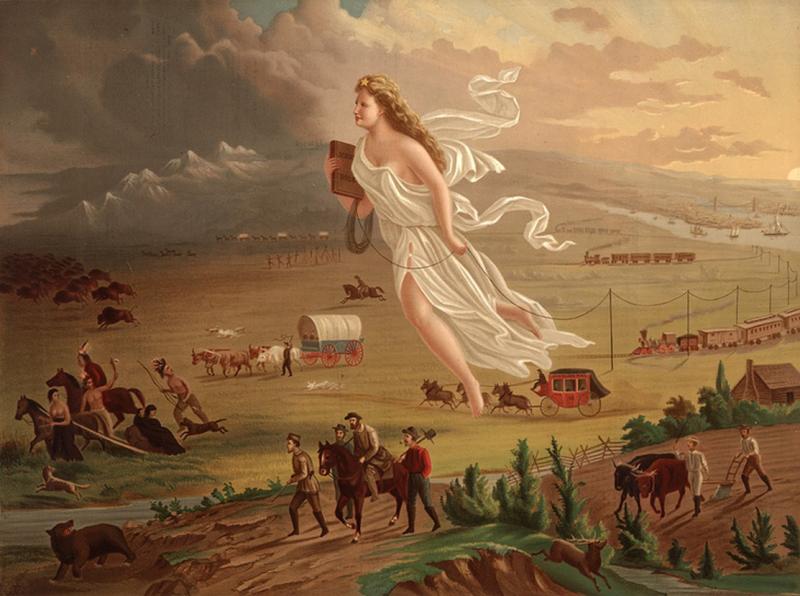
Have you ever wondered why the United States expanded its borders so rapidly in the 1800s? The idea of Manifest Destiny played a huge role in shaping the country you know today.
But what made so many people believe it was their right—or even their duty—to stretch from the Atlantic all the way to the Pacific? Understanding why Manifest Destiny occurred will give you a clearer picture of American history and how it affected millions of lives.
Keep reading, and you’ll discover the powerful forces that drove this massive movement and why it still matters to you.

Credit: www.youtube.com
Roots Of Manifest Destiny
The roots of Manifest Destiny lie deep in early American history. This idea shaped the nation’s growth and mindset. It grew from a mix of political, cultural, and religious beliefs. These beliefs pushed Americans to expand westward across the continent.
Early American Expansion Ideas
From the start, Americans believed in growth and land ownership. The desire for more land was strong. Settlers wanted space for farming and new towns. The government supported land acquisition through policies like the Louisiana Purchase. This set the stage for further expansion.
Influence Of Nationalism
National pride played a big role in Manifest Destiny. Many Americans felt their country was special and destined to grow. This pride made expansion a duty. They believed the United States should spread its values and government. This spirit united people behind westward movement.
Role Of Religion
Religion also fueled the drive to expand. Many Americans saw it as a mission from God. They believed spreading Christianity was part of their purpose. This belief gave moral support to expansion. It created a sense of divine right to claim new lands.
Economic Motivations
Economic motivations played a key role in driving Manifest Destiny. Many Americans saw expanding west as a path to better wealth and stability. The promise of new land, trade routes, and investment opportunities attracted settlers and investors alike. These economic hopes shaped the nation’s desire to grow across the continent.
Agricultural Opportunities
Fertile soil and vast open lands tempted many farmers. The chance to grow crops and raise livestock on new land promised a fresh start. Farming was a main source of income for many families. Expanding west meant more land to cultivate and more food to produce. This helped feed a growing population and build local economies.
Trade And Commerce
New territories opened doors for trade with other regions and countries. Access to ports and rivers made transporting goods easier. Merchants saw opportunities to sell goods to settlers and Native Americans. Expanding markets meant more profits and economic growth. The growing network of trade routes helped unite distant parts of the country.
Land Speculation
Many investors bought large tracts of land hoping to sell for profit later. They expected rising land values as more settlers arrived. Speculation encouraged rapid settlement and development in new areas. This activity fueled economic growth and spurred infrastructure projects. Land speculation was a driving force behind the push west.
Political Factors
Political factors played a crucial role in driving Manifest Destiny. The desire for expanding U.S. territory was deeply tied to political ambitions and conflicts. Understanding these political motivations helps you see why the nation pushed westward so aggressively.
Territorial Ambitions
Leaders in Washington wanted to grow the country’s land quickly. They believed that expanding the nation’s borders would increase its power and influence globally. You might wonder how this ambition affected everyday politics—well, it often led to bold decisions like the annexation of Texas and the Oregon Trail negotiations.
These expansions weren’t just about land; they were about securing resources and strategic advantages. Politicians saw new territories as opportunities to boost the economy and military strength. Have you ever thought about how owning more land might change a nation’s role in the world? That’s exactly what these leaders aimed for.
Party Politics
Political parties used Manifest Destiny to rally support and gain votes. Democrats, especially under President James K. Polk, strongly promoted westward expansion as a way to unite citizens under a common goal. The Whigs, on the other hand, often criticized rapid expansion, fearing it might disrupt the country.
These debates made Manifest Destiny a hot topic in elections. You might see parallels today in how parties use big national issues to attract supporters. The struggle over expansion highlighted deep divides but also energized political participation across the nation.
Slavery And Sectionalism
One of the most complex political factors was the impact of expansion on slavery. Every new territory raised the question: would it allow slavery or not? This issue intensified sectional tensions between the North and South.
Politicians had to balance these interests carefully to avoid conflict. The debate over whether new states would be free or slave-holding shaped many policies and agreements. Think about how this struggle influenced the nation’s path toward the Civil War—it shows how political decisions about land had far-reaching consequences.

Credit: www.facebook.com
Key Figures And Advocates
The idea of Manifest Destiny didn’t come from nowhere. It was shaped and pushed forward by a mix of passionate individuals from different walks of life. These key figures and advocates fueled the belief that the United States was destined to expand across the continent.
Journalists And Writers
Journalists played a huge role in spreading the idea of Manifest Destiny. Writers like John L. O’Sullivan coined the term itself and argued that it was America’s duty to spread democracy and civilization. Their articles and editorials stirred public opinion, making expansion seem not only desirable but inevitable.
Think about how powerful words can be in shaping your own views. How often do you find yourself influenced by a compelling article or opinion piece?
Political Leaders
Political figures such as President James K. Polk championed Manifest Destiny through policies and actions. Polk aggressively pursued territorial expansion, leading to the annexation of Texas and the Oregon Territory. His leadership showed how political will could turn ideas into tangible results.
Have you noticed how a determined leader can shift a country’s direction? Polk’s focused agenda reminds us that clear goals in leadership make a big difference.
Military Influences
The military was crucial in making Manifest Destiny a reality. The Mexican-American War, for example, was a direct result of expansionist policies. Soldiers and generals on the ground secured new territories, turning political ambitions into new borders.
Military action often shapes history in ways you might not expect. What does this say about the relationship between force and national growth?
Impact Of Geography
The impact of geography played a crucial role in shaping the idea of Manifest Destiny. The physical features of the land influenced how Americans viewed expansion and what directions seemed possible or desirable. Understanding these geographic factors helps you see why the urge to expand westward gained so much momentum.
Natural Boundaries
Natural boundaries like mountains, rivers, and oceans often defined the limits of early American settlement. The Appalachian Mountains, for example, initially restricted westward movement.
But as settlers crossed the Mississippi River and approached the Rocky Mountains, new challenges emerged. These natural barriers didn’t stop expansion; instead, they created goals to overcome. The vast plains and fertile lands beyond these boundaries promised opportunity and fueled determination.
Role Of Transportation
Transportation advancements made it easier for settlers to move west and for goods to flow between regions. Roads, canals, and later railroads connected distant places like never before.
Imagine traveling from the East Coast to the Midwest before railroads—an exhausting and risky journey. When railroads expanded, they shrank distances and opened new lands for farming and trade. You can see how better transportation turned a distant dream of expansion into a practical reality.
Maps And Exploration
Maps and exploration reports gave settlers and politicians clearer pictures of what lay beyond their current borders. Accurate maps reduced fear of the unknown and encouraged planning for settlement.
Explorers like Lewis and Clark provided detailed accounts of the western territories, showing fertile valleys and navigable rivers. Such information helped people imagine their future in these new lands and convinced many that expansion was not just possible but inevitable.
Credit: muddyum.net
Native American Displacement
Native American displacement was a tragic and central part of Manifest Destiny. As settlers moved west, Native peoples lost their lands and homes. This caused deep suffering and long-lasting impacts on their communities and cultures.
Conflict And Resistance
Native Americans fought to protect their lands. Many tribes resisted settlers and the U.S. Army. Battles and skirmishes happened across the frontier. Despite brave resistance, Native groups were often outnumbered and outgunned. Their lands were taken by force or threat.
Government Policies
The U.S. government passed laws to remove Native Americans. The Indian Removal Act of 1830 forced many tribes to move west. Promises of new lands were made but often broken. Reservations were created to confine Native peoples to small areas. These policies aimed to open land for settlers.
Cultural Consequences
Displacement shattered Native American ways of life. Traditional hunting and farming lands disappeared. Many tribes lost access to sacred sites. Forced relocation broke family and community bonds. Native languages and customs declined as people struggled to survive. The cultural damage still affects Native peoples today.
International Context
The international context shaped the drive behind Manifest Destiny. The United States was not alone in its ambitions. Powerful neighbors and distant European powers influenced the nation’s expansion goals. Understanding these relationships helps explain why Manifest Destiny occurred.
Relations With Britain And Mexico
Britain controlled Canada and disputed Oregon Territory with the U.S. Tensions rose over land claims and trade routes. The U.S. and Britain negotiated to avoid war, settling borders peacefully.
Mexico controlled much of the Southwest. Conflicts over Texas independence and border lines increased hostilities. These disputes led to the Mexican-American War, which expanded U.S. territory.
European Influence
European countries watched U.S. growth with interest. Spain and France had lost much of their American power but still influenced local politics. They sought to protect remaining colonies and trade interests.
European ideas about empire and land control inspired U.S. leaders. The belief in spreading civilization and democracy reflected European colonial attitudes.
Diplomatic Challenges
The U.S. faced tough diplomacy balancing expansion with peace. Negotiations over Oregon, Texas, and California tested American resolve. Leaders used treaties and sometimes war to achieve goals.
Maintaining good relations with European powers was crucial. The risk of conflict with Britain or France shaped many decisions. Diplomacy was a key tool to realize Manifest Destiny without wider war.
Frequently Asked Questions
What Is The Main Cause Of Manifest Destiny?
Manifest Destiny occurred due to America’s belief in expanding its territory. Economic opportunities, nationalism, and the idea of spreading democracy fueled this expansionist mindset in the 19th century.
How Did Manifest Destiny Impact Native Americans?
Manifest Destiny led to Native American displacement and loss of land. Many tribes were forced westward, causing cultural disruption and conflict during America’s territorial expansion.
Why Was Manifest Destiny Popular Among Americans?
Manifest Destiny appealed because it promised new land and economic growth. It inspired national pride and the belief that the U. S. was destined to span coast to coast.
What Role Did Technology Play In Manifest Destiny?
Technological advancements like railroads and telegraphs supported Manifest Destiny. They improved transportation and communication, making westward expansion faster and more feasible.
Conclusion
Manifest Destiny happened because people wanted land and new chances. They believed the United States should stretch from ocean to ocean. Many thought this was their right and duty. The desire for growth, wealth, and power pushed the country west.
This movement shaped America’s history and borders. It also caused conflicts and changes for many groups. Understanding why Manifest Destiny occurred helps explain how the U. S. Grew. It shows the hopes and struggles of that time. A big part of America’s story lies in this idea.

Similar Posts