When Does Schizophrenia Manifest: Key Signs and Early Warning Signs
Have you ever wondered when schizophrenia actually begins to show up in someone’s life? Understanding the timing can be crucial, especially if you or someone you care about is facing unusual thoughts or feelings.
Knowing when schizophrenia tends to manifest can help you spot early signs and take action sooner. You’ll discover the common age ranges, what triggers might be involved, and how early detection can make a real difference. Keep reading to learn how to recognize these key moments and protect your mental health or that of your loved ones.
Age Of Onset
The age of onset for schizophrenia varies but usually appears in young adults. Recognizing this helps in early diagnosis and treatment. The timing of symptoms often influences how the illness develops.
Typical Age Range
Schizophrenia often begins between late teens and early 30s. Most cases start in the early 20s for men and late 20s for women. Symptoms rarely appear before adolescence or after 45 years old.
Differences Between Genders
Men tend to show symptoms earlier than women. Their onset usually occurs in the early 20s. Women often experience symptoms in their late 20s or early 30s. This difference affects diagnosis and treatment plans.
Late-onset Schizophrenia
Late-onset schizophrenia starts after age 45. It is less common but still significant. Symptoms may be milder and include more paranoia. Women are more likely to develop this form than men.
Early Warning Signs
Recognizing the early warning signs of schizophrenia can make a significant difference in seeking timely help and managing the condition effectively. These signs often appear subtly and may be mistaken for typical teenage or young adult behavior changes. Paying close attention to these signals can help you or your loved ones get support before symptoms worsen.
Social Withdrawal
You might notice a sudden loss of interest in social activities or spending time with friends and family. Someone who once enjoyed group outings may start isolating themselves without clear reason. This withdrawal is not just shyness; it’s a shift that signals something deeper affecting their connection to others.
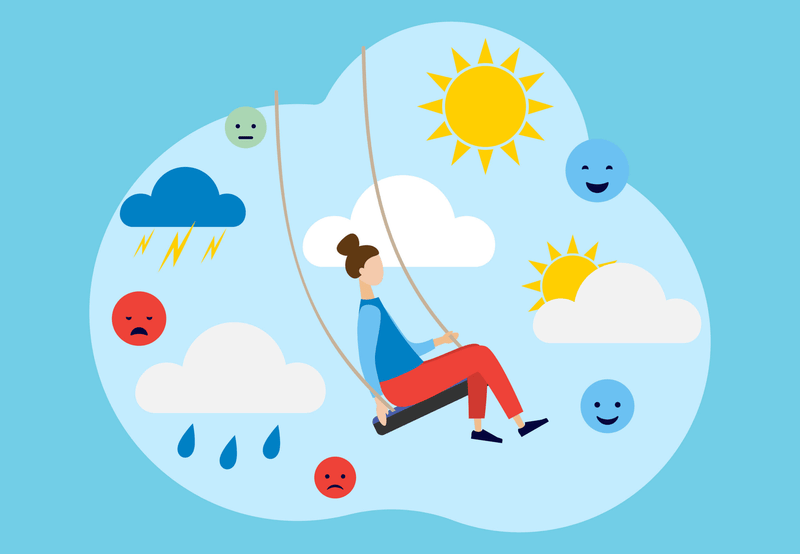
Changes In Mood And Behavior
Mood swings can become more intense or frequent, with feelings of irritability, anxiety, or depression taking center stage. Behavior might also seem odd or out of character, such as unusual reactions to everyday situations. These changes can confuse those around, making it harder to understand what’s really happening.
Decline In Personal Hygiene
Noticeable neglect in grooming or personal care often surfaces early on. Someone who used to care about their appearance might stop bathing regularly or wearing clean clothes. This decline isn’t laziness; it can be a sign that their mental health is struggling.
Difficulty Concentrating
Struggling to focus on simple tasks or conversations may become apparent. This can affect performance at work, school, or even managing daily responsibilities. If you find yourself or a loved one zoning out more often or forgetting things easily, it could be an important early sign to watch.
Key Symptoms At Manifestation
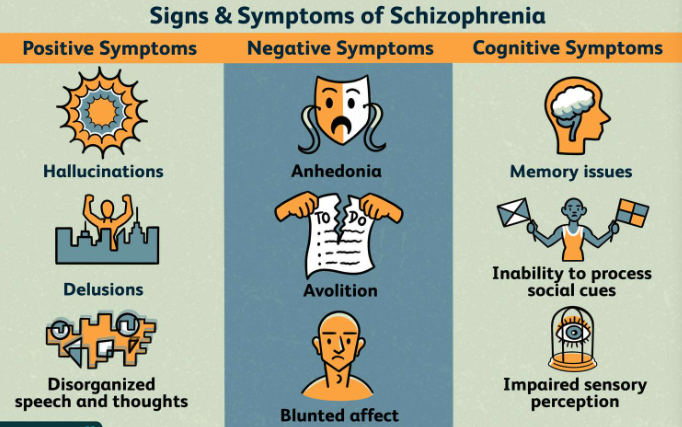
Recognizing the key symptoms when schizophrenia first appears can make a significant difference in seeking timely help. These symptoms often disrupt everyday life in ways that you might not immediately link to a mental health condition. Understanding what to look for helps you or your loved ones act early and find support.
Hallucinations
Hallucinations are sensory experiences that feel very real but have no external source. You might hear voices talking to you or see things others don’t. These experiences can be confusing and frightening, making it hard to trust your own senses.
Have you ever noticed someone reacting to sounds or sights that others don’t notice? That could be a sign to pay closer attention and encourage a professional evaluation.
Delusions
Delusions are strong beliefs that don’t match reality, and they can be very convincing to the person experiencing them. You might believe you have special powers or that others are plotting against you without any real proof. These beliefs can isolate you from friends and family because they seem strange or irrational.
Think about how these false beliefs might impact your daily decisions and relationships. Could you recognize when your thoughts start to feel disconnected from what others see?
Disorganized Thinking
Disorganized thinking affects how you connect thoughts and express yourself. Your speech might jump from one topic to another without clear links, making conversations hard to follow. This can make it difficult to complete tasks or communicate needs effectively.
If you find it challenging to stay focused or organize your thoughts, consider how this might affect your work or social life. Have you noticed these changes gradually taking over?
Negative Symptoms
Negative symptoms refer to a decrease in normal behaviors and emotions. You might lose interest in activities you once enjoyed or find it hard to show emotions. This can make you seem withdrawn or less motivated, which others might misinterpret as laziness or moodiness.
Ask yourself if you or someone close has started to pull away from social interactions or daily routines. Recognizing these subtle signs can be key to getting the right help sooner.

Credit: medicinetoday.com.au
Risk Factors Influencing Onset
Understanding the risk factors that influence the onset of schizophrenia can help you recognize early signs and seek timely help. These factors often interact in complex ways, making it important to consider both your personal background and lifestyle choices. Let’s look at some of the main contributors to when and how schizophrenia may first appear.
Genetic Predisposition
Your family history plays a significant role in the likelihood of developing schizophrenia. If a close relative has the condition, your risk increases, but it doesn’t guarantee you will develop it.
Genes can set the stage, but they are not the whole story. Many people with a genetic predisposition never experience symptoms, which suggests other factors must also be present.
Environmental Triggers
Stressful life events and early childhood adversity can act as triggers for schizophrenia. Experiences such as trauma, abuse, or complications during birth can increase vulnerability.
Living in urban areas or facing social isolation may also contribute to the onset. Have you ever wondered how your surroundings might affect your mental health over time?
Substance Use
Using drugs, especially during adolescence, can increase the risk of developing schizophrenia. Substances like cannabis, LSD, or amphetamines may trigger symptoms in those already at risk.
Not everyone who uses drugs develops schizophrenia, but if you have other risk factors, substance use could push the condition to surface earlier. How might avoiding certain substances protect your mental well-being?
Early Detection And Intervention
Early detection and intervention play a crucial role in managing schizophrenia effectively. Catching the signs early can change the course of the illness and improve the quality of life for those affected. It’s important to understand how recognizing symptoms promptly can make a real difference in treatment outcomes.
Importance Of Timely Diagnosis
Getting a diagnosis early can prevent symptoms from worsening. When you or someone you know starts showing unusual behaviors or thoughts, seeking professional help right away is vital. Early diagnosis allows for quicker access to support and reduces the risk of long-term complications.
Think about how much easier it is to fix a small problem before it grows. The same applies here—early diagnosis helps keep the illness manageable. It also gives you more control and hope during a challenging time.
Screening Tools
Health professionals use specific screening tools to spot signs of schizophrenia. These tools include questionnaires, interviews, and observation techniques designed to identify early warning signs.
- The Prodromal Questionnaire (PQ) helps detect early symptoms before full-blown psychosis.
- Structured interviews like the Structured Clinical Interview for DSM Disorders (SCID) provide detailed assessments.
- Regular mental health check-ups can help track changes over time.
Are you aware of these tools? They make it easier for doctors to provide the right care at the right time.
Treatment Options
Once schizophrenia is detected early, a range of treatments can help manage symptoms effectively. These include medications, therapy, and lifestyle adjustments tailored to individual needs.
- Antipsychotic medicationsreduce hallucinations and delusions.
- Cognitive-behavioral therapy (CBT)helps with coping strategies and reality testing.
- Family therapysupports both patients and their loved ones in understanding the illness.
- Rehabilitation programsassist with social skills and job training.
Remember, early treatment can reduce hospital stays and improve daily functioning. What steps can you take today to support early intervention for yourself or someone you care about?

Credit: www.facebook.com
Credit: health.clevelandclinic.org
Frequently Asked Questions
When Does Schizophrenia Usually Start To Manifest?
Schizophrenia typically manifests in late adolescence to early adulthood. Symptoms often appear between ages 16 and 30. Early signs can include subtle changes in thinking, emotions, and behavior before full symptoms develop.
What Are Early Signs Of Schizophrenia Manifestation?
Early signs include social withdrawal, unusual thoughts, and difficulty concentrating. Mood changes and reduced motivation may also occur. Recognizing these early symptoms helps in timely diagnosis and treatment.
Can Schizophrenia Manifest Differently In Men And Women?
Yes, men often show symptoms earlier, usually in late teens to early 20s. Women tend to develop symptoms slightly later, in their late 20s to early 30s. Symptom severity and response to treatment may also vary by gender.
How Long After Symptoms Does Schizophrenia Get Diagnosed?
Diagnosis usually occurs within months after clear symptoms emerge. However, some individuals experience a gradual buildup over years. Early diagnosis improves treatment outcomes and helps manage symptoms effectively.
Conclusion
Recognizing schizophrenia’s onset is crucial for timely support. Symptoms often appear in late teens or early adulthood. These signs can vary widely among individuals. Early intervention helps manage symptoms effectively. Understanding the typical age of onset aids in awareness. Family and friends should stay alert to changes in behavior.
Seeking professional help can make a big difference. Awareness and education pave the way for better outcomes. Support networks strengthen the journey towards stability. Early diagnosis can lead to improved quality of life. Stay informed and proactive for the best results.
Working together helps individuals navigate challenges successfully.

Similar Posts