Which is a Clinical Manifestation of Worsening Preeclampsia: Key Symptoms Revealed
Are you or someone you know dealing with preeclampsia during pregnancy? Understanding the signs of worsening preeclampsia is crucial for your health and your baby’s safety.
But what exactly should you watch out for? Recognizing the clinical manifestations early can make all the difference in getting timely care. You’ll discover the key symptoms that signal preeclampsia is getting worse—and why paying attention to these changes could protect your life and your baby’s future.
Keep reading to learn what to look for and how to act fast.

Credit: www.jacc.org
Signs Of Severe Preeclampsia
Recognizing the signs of severe preeclampsia is crucial for timely intervention. These signs indicate that the condition is worsening and can pose serious risks to both the mother and baby. Understanding these warning signals can help you take immediate action and seek appropriate care.
High Blood Pressure Patterns
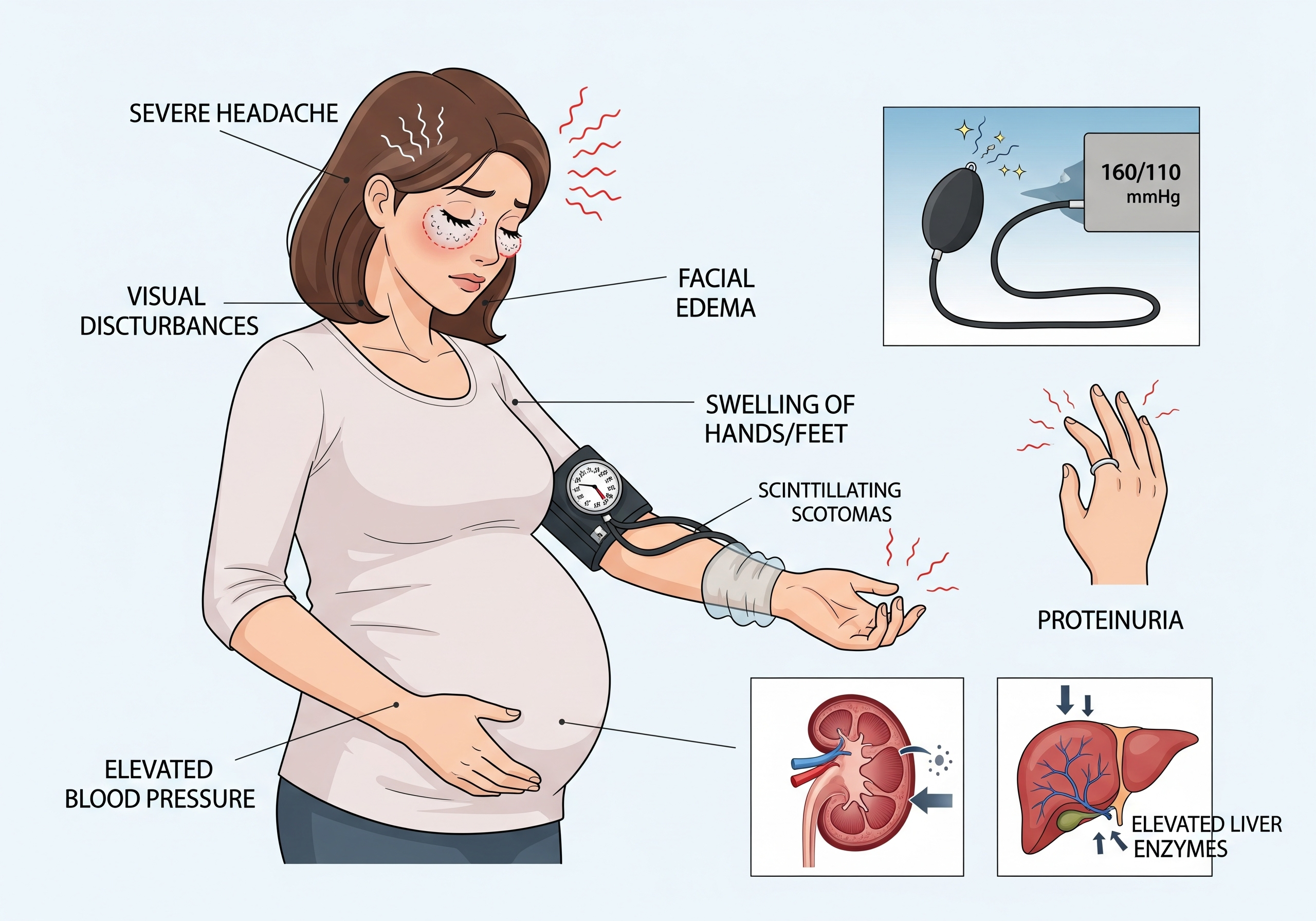
Blood pressure readings that consistently rise above 160/110 mm Hg are a red flag. Such high levels can lead to complications like stroke or organ damage. If you notice a sudden spike or sustained high readings despite rest, it’s essential to inform your healthcare provider immediately.
Proteinuria Levels
Protein in the urine signals kidney stress and damage. Severe preeclampsia often shows proteinuria levels higher than 5 grams in 24 hours. If your tests reveal increasing protein levels, this is a sign your condition may be worsening and requires close monitoring.
Sudden Weight Gain
Gaining more than 2 pounds in a week, especially in the second half of pregnancy, may indicate fluid retention. This rapid weight gain is linked to worsening preeclampsia and swelling in the hands, face, or legs. Are you tracking your weight regularly to catch such changes early?
Neurological Symptoms
Neurological symptoms are key signs of worsening preeclampsia. They indicate serious changes in the brain and nervous system. Recognizing these symptoms early is crucial for timely medical care. These symptoms often worsen quickly and need immediate attention.
Severe Headaches
Severe headaches in preeclampsia are persistent and do not go away with normal painkillers. They often feel intense and throbbing. These headaches can signal high blood pressure affecting the brain. Ignoring them can lead to dangerous complications.
Visual Disturbances
Visual disturbances include blurred vision, flashing lights, or temporary loss of sight. These symptoms occur because preeclampsia affects blood flow to the eyes and brain. They can be sudden and alarming. Visual problems often warn of severe disease progression.
Confusion And Irritability
Confusion means difficulty thinking clearly or understanding simple things. Irritability is an unusual mood change or quick anger. Both may result from poor brain function due to high blood pressure. These signs are serious and require urgent medical evaluation.
Organ Dysfunction Indicators
Organ dysfunction indicators are critical signs that preeclampsia is worsening and affecting vital systems in your body. These indicators reveal how your liver, kidneys, and lungs are coping under increased stress. Recognizing these signs early can guide timely medical intervention and protect both you and your baby.
Liver Involvement
When preeclampsia worsens, your liver can show signs of distress. You might experience severe pain in the upper right side of your abdomen or just below your ribs. Elevated liver enzymes in blood tests are a clear signal that your liver cells are damaged.
Have you noticed unusual nausea or vomiting alongside this pain? These symptoms often accompany liver involvement. If ignored, complications like liver rupture can occur, making it essential to report these issues immediately.
Kidney Impairment
Your kidneys filter waste and excess fluid, but worsening preeclampsia can impair this function. You might notice less urine output or swelling, especially in the face and hands. Blood tests may reveal rising creatinine levels, indicating reduced kidney efficiency.
Think about how these changes affect your daily life—do you feel unusually tired or confused? These could be signs of toxin buildup in your blood due to kidney impairment. Monitoring your kidney function closely helps prevent severe complications like kidney failure.
Pulmonary Edema
Fluid buildup in your lungs, known as pulmonary edema, is a dangerous indicator of severe preeclampsia. You may find yourself short of breath or coughing up frothy sputum. This condition reduces oxygen supply, making both you and your baby vulnerable.
Have you experienced sudden breathlessness or difficulty lying flat? These symptoms require urgent medical attention. Understanding pulmonary edema’s warning signs can empower you to seek help before the situation escalates.

Credit: www.jacc.org
Fetal Complications
Worsening preeclampsia doesn’t just affect the mother—it can seriously impact your baby’s health too. Understanding the fetal complications helps you recognize warning signs early. This knowledge can guide timely medical action, improving outcomes for both you and your baby.
Reduced Fetal Movement
You might notice your baby moving less than usual. This reduction often signals distress or lack of oxygen. Tracking your baby’s movements daily can alert you to potential problems early.
Have you ever felt unsure if your baby’s movements were normal? If you notice a sudden decrease, contact your healthcare provider immediately. Early intervention can make a significant difference.
Growth Restriction
When preeclampsia worsens, your baby may not grow as expected. This condition, known as fetal growth restriction, means your baby isn’t getting enough nutrients and oxygen. Regular ultrasounds can help monitor growth and detect this issue early.
Imagine preparing for a healthy birth only to learn your baby is smaller than it should be. This situation calls for careful monitoring and sometimes early delivery to protect your baby.
Placental Insufficiency
The placenta plays a crucial role in feeding your baby. In worsening preeclampsia, the placenta may not function well, leading to insufficient oxygen and nutrients. This condition can cause serious complications if not addressed promptly.
Have you ever wondered how your placenta impacts your baby’s health? Understanding its role emphasizes why managing preeclampsia closely is vital for your baby’s well-being.
Emergency Warning Signs
Emergency warning signs in worsening preeclampsia demand quick attention. These signs signal serious health risks for both mother and baby. Recognizing them early can prevent severe complications. Understanding these symptoms helps in seeking immediate medical care.
Seizures (eclampsia)
Seizures are a critical sign of eclampsia, a severe form of preeclampsia. They involve sudden, uncontrolled shaking or convulsions. Loss of consciousness may occur. This condition requires urgent medical treatment to protect mother and child.
Severe Abdominal Pain
Severe pain in the upper abdomen or under the ribs can indicate liver involvement. This pain is sharp and persistent. It may worsen with movement or breathing. Immediate evaluation is essential to avoid organ damage.
Rapid Onset Swelling
Sudden and severe swelling, especially in the face and hands, is alarming. It often comes with weight gain in a short time. This swelling shows fluid retention and worsening blood pressure control. Medical help should be sought without delay.

Credit: www.sciencedirect.com
Frequently Asked Questions
What Are Common Signs Of Worsening Preeclampsia?
Worsening preeclampsia often shows increased blood pressure, severe headaches, and vision changes. Swelling and upper abdominal pain may also occur. Early detection is crucial to prevent complications for both mother and baby.
How Does Proteinuria Indicate Worsening Preeclampsia?
Proteinuria means excess protein in urine, signaling kidney damage. In worsening preeclampsia, protein levels rise significantly. Monitoring proteinuria helps assess disease severity and guides timely medical intervention to protect maternal and fetal health.
Can Severe Headaches Signal Worsening Preeclampsia?
Yes, severe headaches are a key symptom of worsening preeclampsia. They result from high blood pressure affecting the brain. Persistent or intense headaches require immediate medical evaluation to avoid serious complications like stroke.
Why Is Vision Disturbance A Clinical Sign Of Preeclampsia?
Vision changes, such as blurred vision or flashing lights, occur due to impaired blood flow to the brain. These symptoms indicate worsening preeclampsia and need urgent medical assessment to prevent further neurological damage.
Conclusion
Worsening preeclampsia shows clear signs that need quick action. Severe headaches, vision changes, and high blood pressure are key symptoms. These signs warn of serious risks for both mother and baby. Early detection helps doctors provide the right care fast.
Knowing these symptoms can save lives and prevent complications. Stay alert and seek medical help if symptoms appear. Taking these steps ensures better health for mother and child.

Similar Posts